
Last updated November 15, 2026
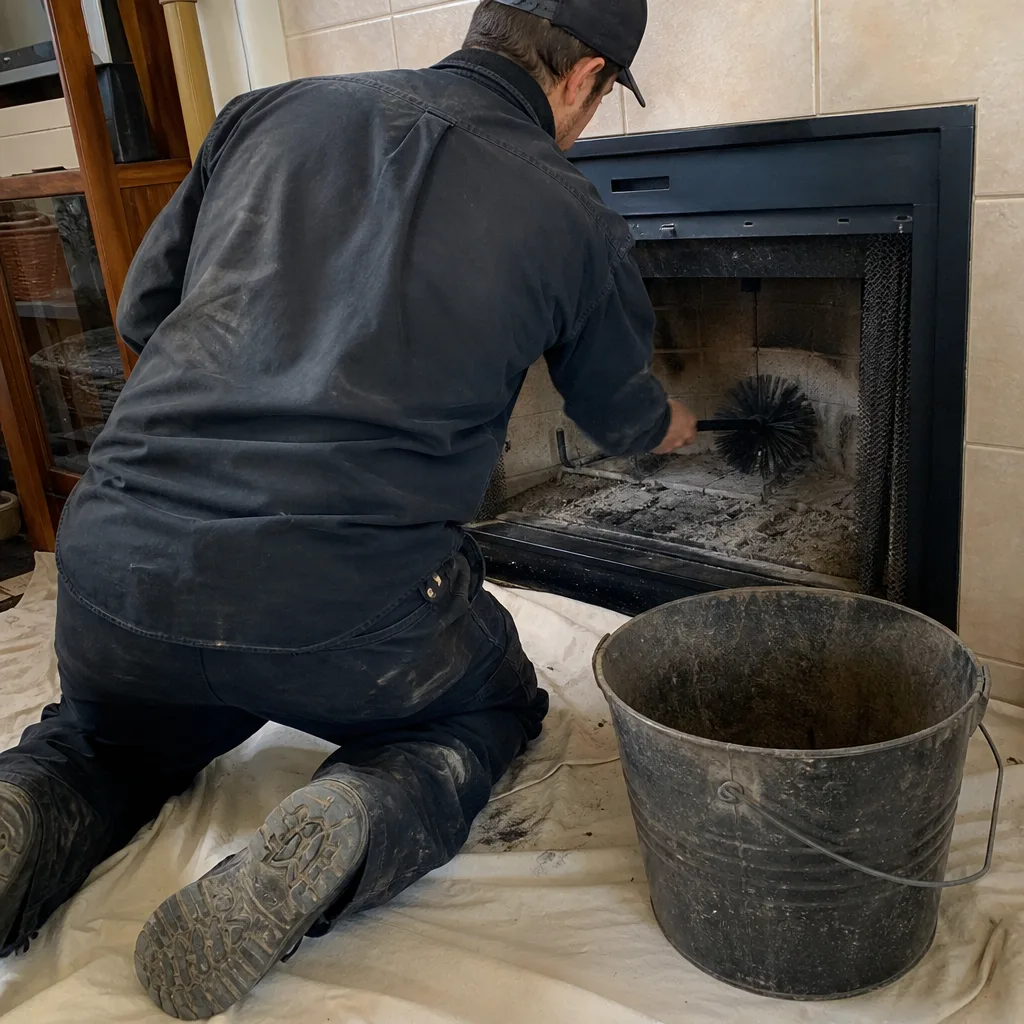
 Sweep & inspection
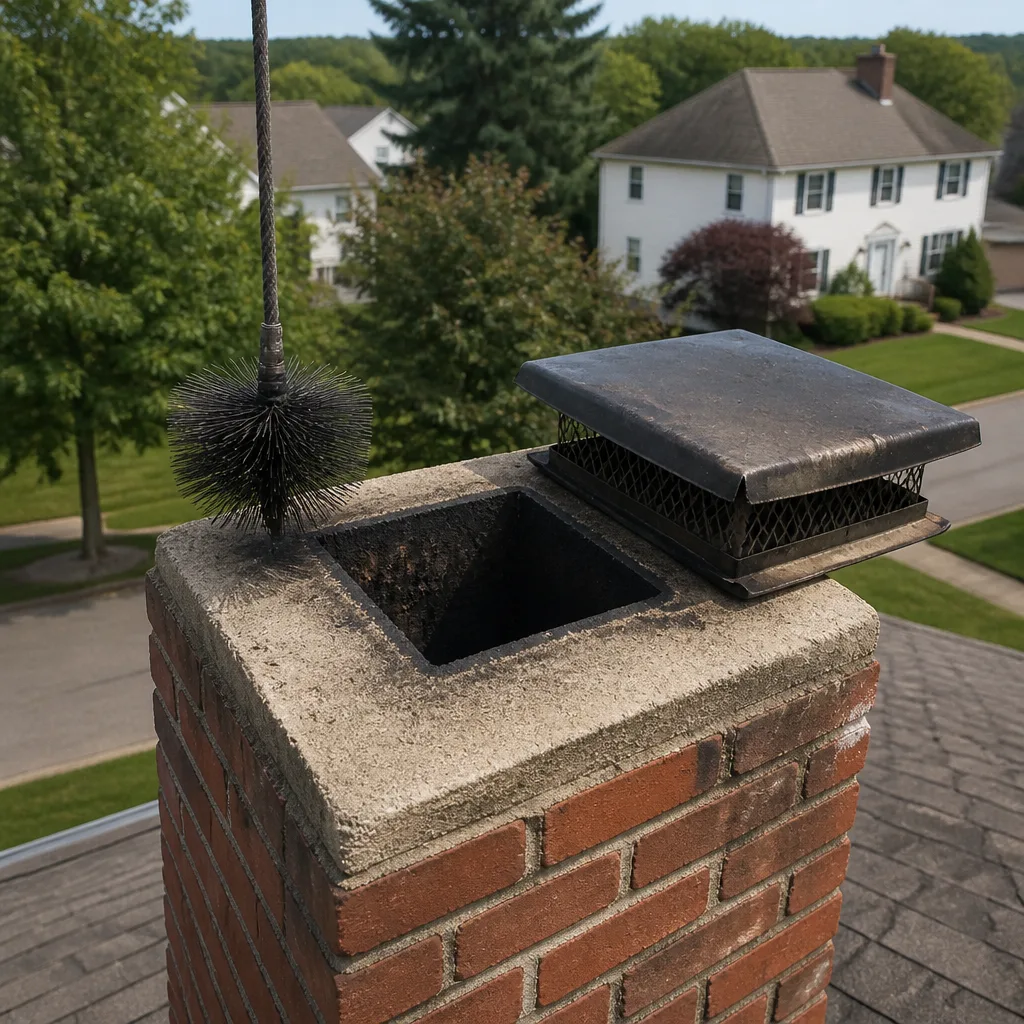
 Caps & crowns
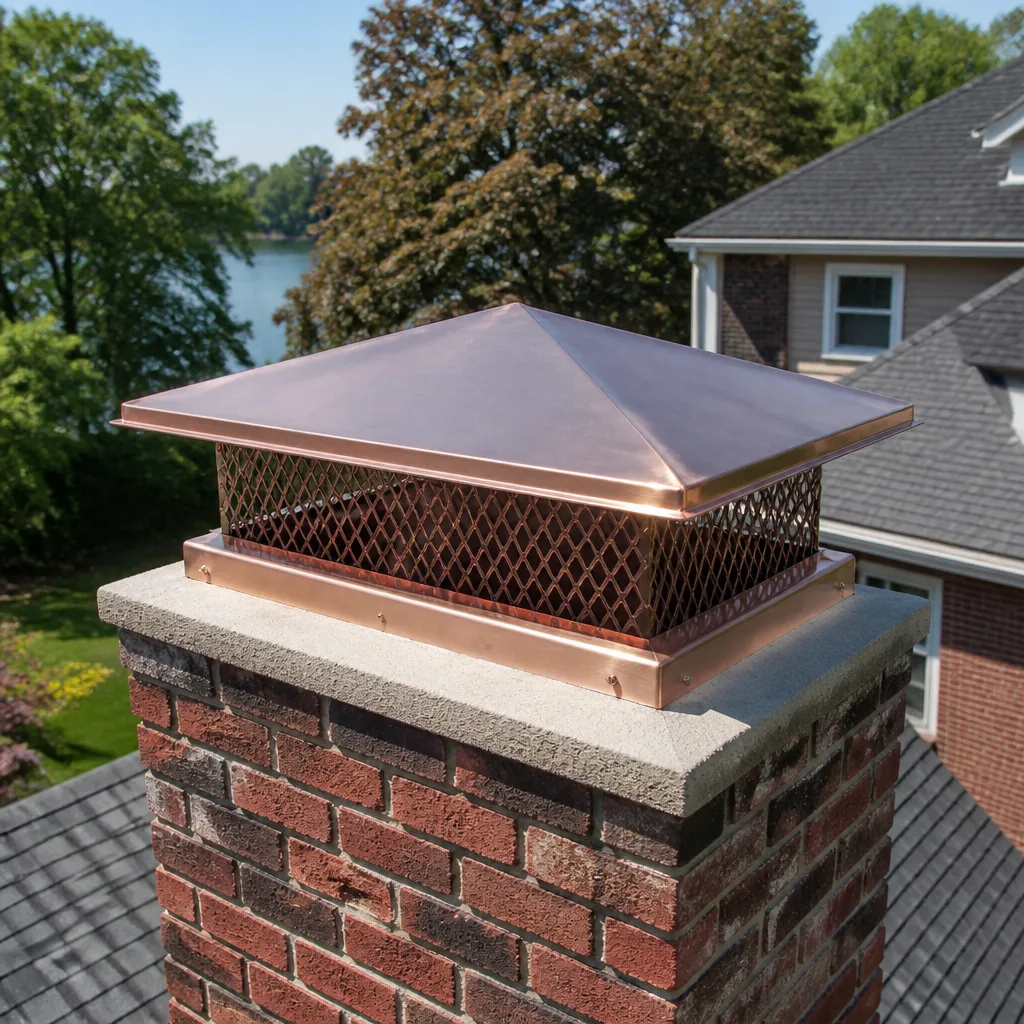
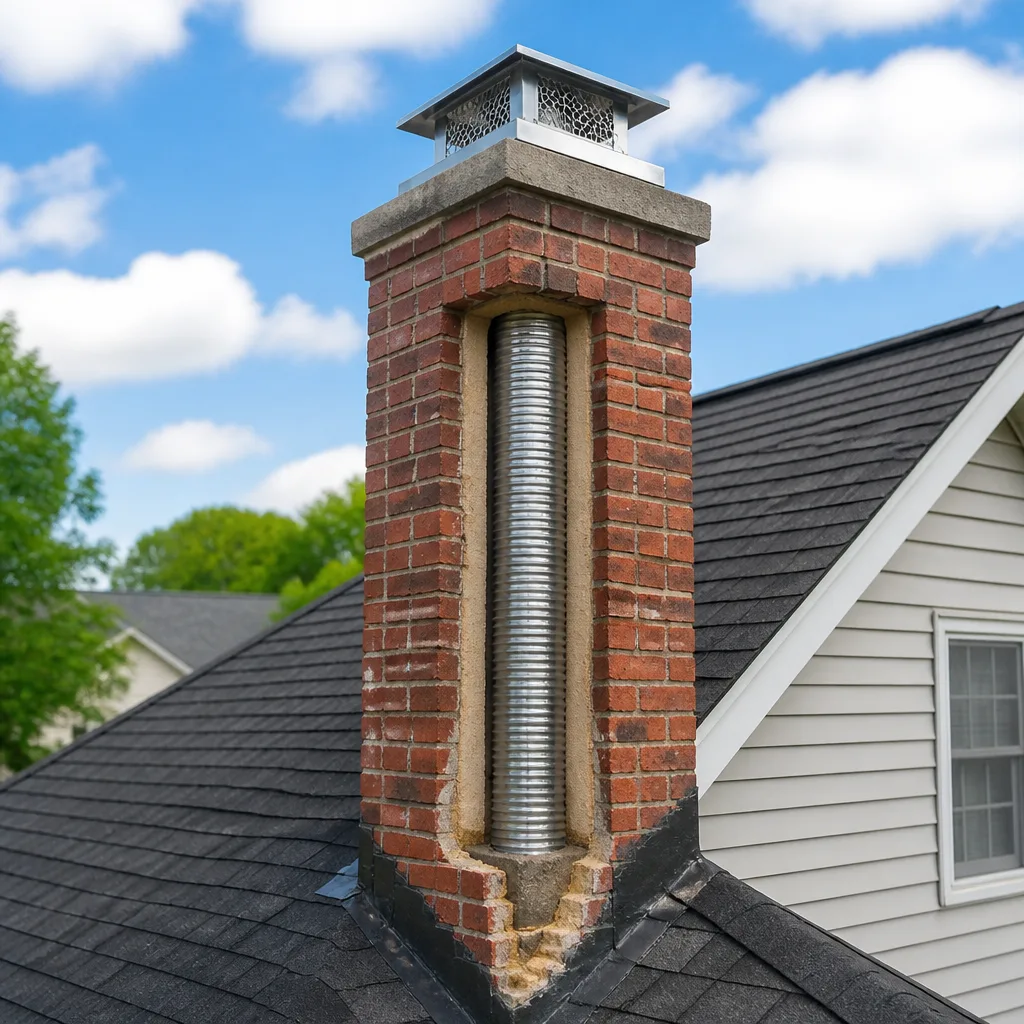 Flue relining
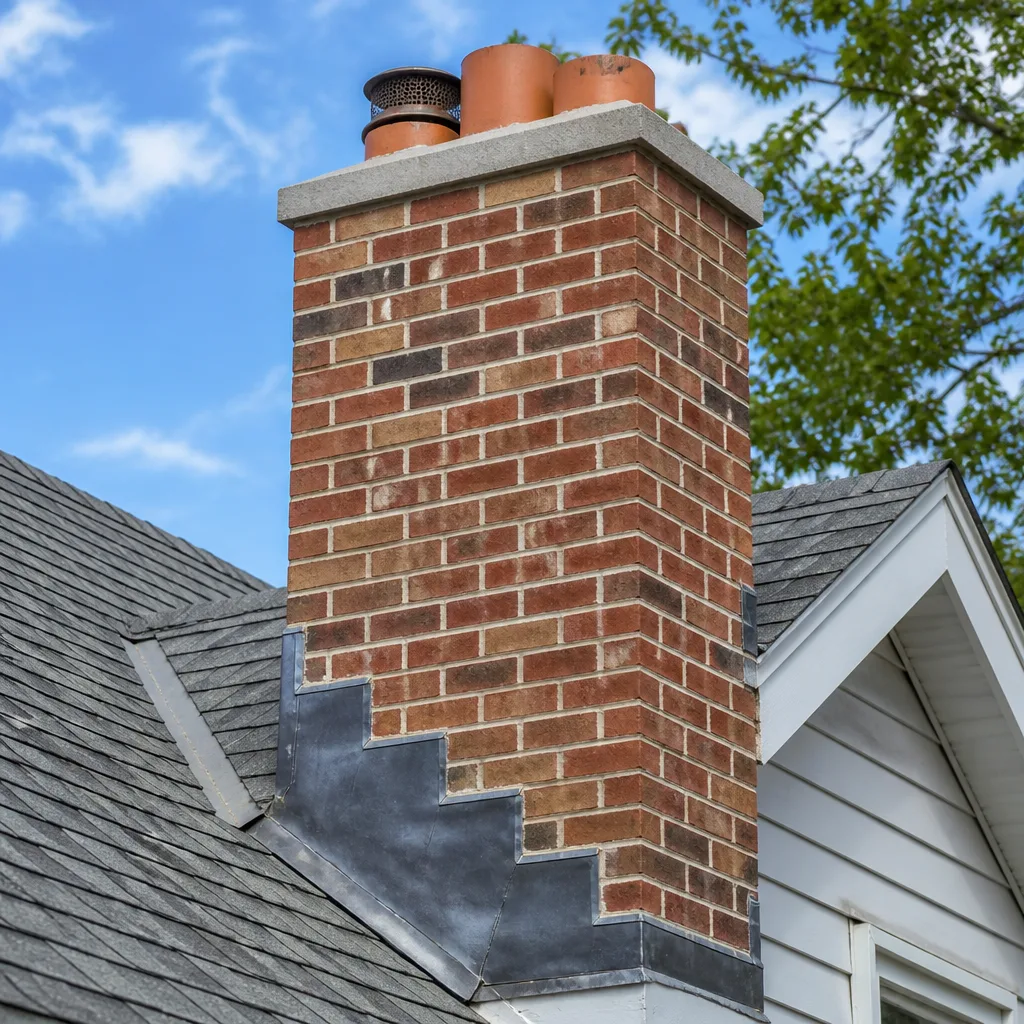 Masonry repair
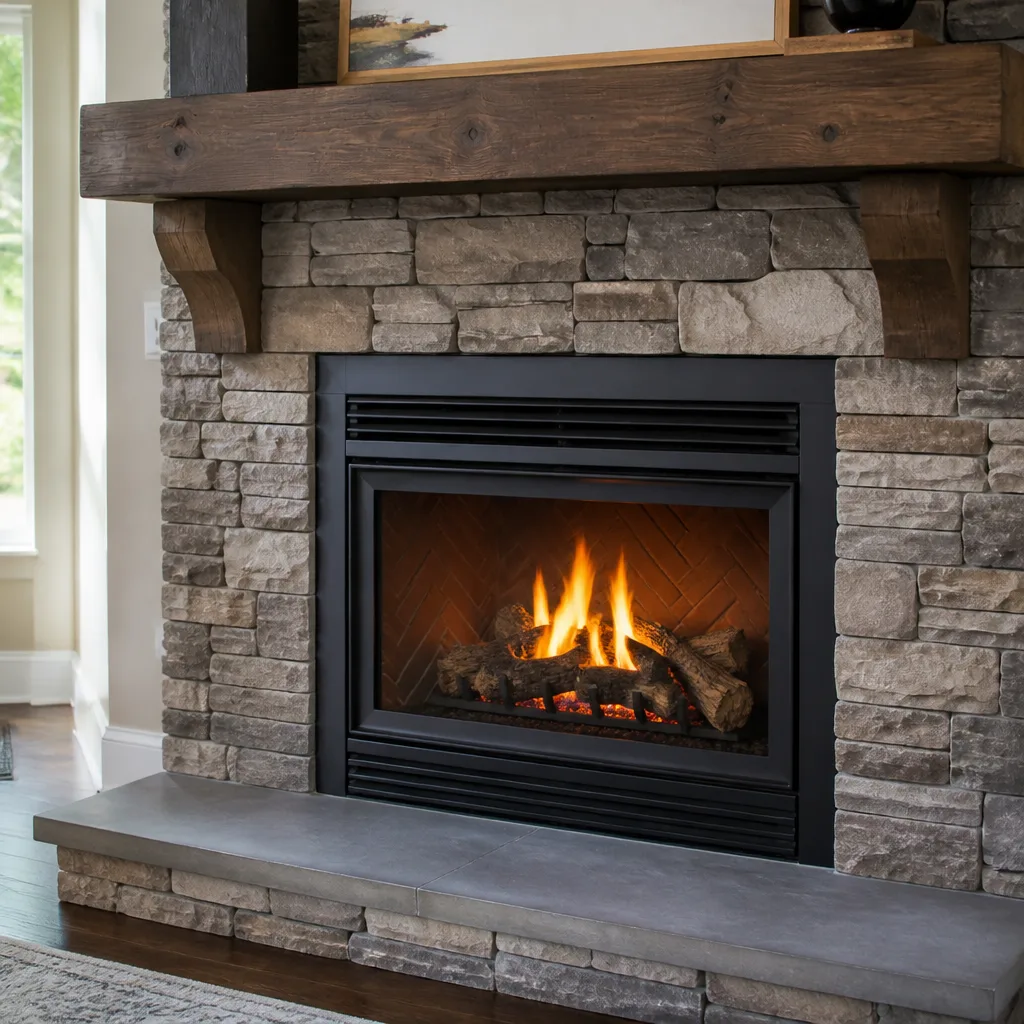 Gas fireplace service
Level 1 sweep and inspection to the NFPA 211 annual standard - flue, crown, cap, and flashing checked and photographed
Chimney sweep logs do not sweep chimneys. They loosen some creosote - which then falls where a brush and vacuum still have to collect it.
Seasonal Chimney Cleaning Care for Nampa: Year-Round Homeowner’s Guide
The chimney cap that looked fine in April may have a cracked crown under it, and you won’t know until the first cold snap in October forces a fire you’re not ready for. Most homeowners treat chimney care as one annual task, usually performed in a panic when the first frost arrives. In Nampa, that approach keeps you one season behind. Our high-desert climate puts a chimney through four distinct stress patterns each year: freeze-thaw in winter, drying and cracking in summer, debris intrusion in spring, and a neglected startup in fall. This guide syncs maintenance to the calendar a Nampa chimney actually lives through.
Quick Answer
Chimney care in Nampa works best when it’s split across the year instead of squeezed into one fall appointment. Book your sweep in September, before the pre-season rush, inspect for freeze-thaw damage to the crown and mortar in early spring, check the cap and screen for bird nesting in summer, and run a full startup checklist before the first fire. Each season does something different to a chimney here, and catching each problem in its own season is what keeps repair costs down.
Styles & brands we work with
- Sweep & inspection
- Caps & crowns
- Flue relining
- Masonry repair
- Gas fireplace service
Table of Contents
- Why Nampa Chimneys Age Differently Than the National Advice Says
- The Nampa Chimney Calendar: A Month-by-Month Breakdown
- Winter: Freeze-Thaw and What It Does to Crowns and Mortar
- Spring: Catching Winter Damage Before Summer Rain Finds It
- Summer: Caps, Screens, and the Bird Nest Problem
- Why September Is the Right Month to Book a Sweep in the Treasure Valley
- Fall Startup Protocol: The Checklist a Sweep Runs
- The Dryer Vent Belongs on the Same Calendar
Why Nampa Chimneys Age Differently Than the National Advice Says
Most chimney advice you’ll read online is written for a generic climate that doesn’t match the Treasure Valley. Nampa sits in a high desert valley with cold winters that cycle above and below freezing repeatedly, hot dry summers, and a spring that throws wind, rain, and blowing soil at anything on a roof. That combination leaves a specific signature on masonry and metal, and it doesn’t match the “clean once a year and forget it” formula that national sites repeat.
Here’s what that actually means in practice:
- Freeze-thaw cycles hit masonry hard. Water soaks into a hairline crack in the crown or mortar joint, freezes overnight, expands, and widens that crack. Repeat that across a Nampa winter and small defects become real openings by March.
- Summer heat dries and opens seams. The same sun that makes July pleasant pulls moisture out of masonry and can open joints that were tight in spring. Crowns and mortar wash caps take the brunt.
- Spring debris lands on caps and screens. Blossoms, seed fluff, and windblown soil collect around the cap and screen, and birds look for exactly that kind of sheltered spot.
- Fall startup is where neglect shows up. A chimney that sat untouched all summer gets its first fire in October or November, and that’s when draft problems, blockages, and cracked flue tiles announce themselves.
Treating these as one annual task means you’re always reacting to the season that just ended. The alternative is to work the calendar deliberately, which is what the rest of this guide does. If you want a baseline inspection before you start, our chimney sweep service in Nampa is a reasonable place to begin, because a sweep also gives you a look at the flue and the firebox in one visit.
The Nampa Chimney Calendar: A Month-by-Month Breakdown
This is the schedule we’d hand a Nampa homeowner who wants to stay ahead of the seasons rather than chase them. It’s organized around what the climate is doing to the chimney, not around arbitrary dates.
- January and February: Peak burn season. Watch for draft that gets weaker over the winter, smoke rolling out of the firebox, or a fire that’s harder to keep lit. Any change in how the fire behaves is worth a look.
- March: Snowmelt and thaw. This is the first window to get on the roof or have someone look at the crown and mortar, because freeze-thaw damage is most visible as things thaw.
- April and May: Spring rain finds cracks. Check the attic and ceiling near the chimney chase for staining, and get the crown inspected before more moisture soaks in.
- June and July: Heat and nesting season. Inspect the cap and spark screen, check for bird activity, and trim any tree limbs that crowd the chimney top and interfere with draft.
- August: Book your sweep. This is the practical lead-in to September, and booking early in Nampa means you get an appointment before the pre-season rush fills the calendar.
- September: Sweep and inspect. Get the flue cleaned and checked while the weather is still mild and any needed repair can be done before the first fire.
- October: First fires. Run the startup checklist before you light anything, especially if the chimney sat all summer.
- November and December: Full burn season. Keep an eye on draft and creosote buildup, and don’t let a small issue sit until spring.
That calendar isn’t arbitrary. It follows the actual stress pattern the climate applies to a chimney in Nampa, and it’s the difference between maintenance and repair. The Nampa climate page is a useful companion if you want the local weather pattern spelled out in more detail.
Winter: Freeze-Thaw and What It Does to Crowns and Mortar
Winter is the season when a Nampa chimney does the most structural damage to itself, and it’s rarely visible from the ground. Water gets into masonry through small cracks and joints, freezes overnight, expands, and pushes those cracks wider. Then it thaws, drains, and repeats. Indoors, you’re enjoying a fire. Outdoors, the crown and the mortar joints are slowly coming apart.
The parts that suffer most:
- The crown: The concrete or masonry cap at the top of the chimney. Hairline cracks there let water straight into the flue structure.
- Mortar joints: The mortar between bricks is softer than the brick, so it’s the first thing freeze-thaw wears down.
- The wash and flashing: Where the chimney meets the roof, ice and snowmelt work at the flashing and the seal.
- Clay flue tiles: A cracked tile from a prior season gets worse over a winter of freeze-thaw, and a cracked flue tile is a real safety issue because it can let heat and gases into the structure.
What you can check yourself in winter is limited to what you can see and smell safely from inside: draft quality, smoke behavior, and any staining on the ceiling or chase. The crown and the mortar joints need someone on the roof, and roofs are slippery in a Nampa winter. This is a job for a trained professional, not a homeowner with a ladder. A spring inspection is the right time to actually assess the damage winter did, and we can flag it during a routine Chimney Sweep Nampa appointment so you know what you’re dealing with before summer.
Spring: Catching Winter Damage Before Summer Rain Finds It
Spring is the most undervalued season on the chimney calendar. Everything winter damaged is at its most visible as things thaw, and getting eyes on the crown and mortar in March or April means repair work happens before summer rain has a chance to soak into open cracks. Wait until fall, and you’ve given the moisture a whole season to do its work.
The spring inspection focuses on a short list:
- Crown condition: Cracks, spalling, or separation from the flue.
- Mortar joints: Crumbling, receding, or missing mortar between bricks.
- Flashing and chase: Loose flashing, staining on the chase, or water marks inside the attic.
- Flue tiles: Cracks or gaps visible from the top down, though a full flue assessment usually needs a camera.
If the crown has surface cracking and the flue has minor damage, there are repair options short of a full rebuild. HeatShield ceramic resurfacing is one we use to restore a flue liner from the inside without tearing into the chimney structure, and it’s a technique most general sweep companies can’t perform. For a badly damaged crown or failed flue, a DuraFlex flexible liner system is often the practical route. Both decisions should come after an inspection, not before, which is why spring is the season to look and plan rather than to guess.
Summer: Caps, Screens, and the Bird Nest Problem
Summer is when the chimney is least used and most vulnerable to things that don’t involve fire at all. Birds are the main one. A chimney cap with a damaged or missing screen is an open invitation, and birds nesting in a flue creates a blockage that has to be cleared before the first fire of the season. If you’ve ever noticed a bird disappear over the chimney top in June, that’s what to check.
Summer tasks worth doing:
- Inspect the cap and screen: Look for rust, loose fittings, bent screen, and any gap a bird could get through.
- Check for nesting activity: Listen for birds in the flue, look for droppings around the cap, and get any nest removed before fall.
- Look at the vegetation around the chimney: Tree limbs crowding the chimney top can interfere with draft and drop debris onto the cap. Trimming them back helps airflow and reduces what lands on the roof.
- Check the crown again: Summer heat opens mortar joints and hairline cracks, so a mid-summer look catches what spring missed.
A modern cap with a proper screen is a modest, functional part, and it’s worth replacing a cheap one that’s failing. We install caps and screen assemblies using professional-grade components from brands like Olympia Chimney and Gelco, which hold up better than the generic versions sold at big-box stores. Summer is also the easiest time of year to schedule this kind of work, because the calendar is open and the weather cooperates.
Why September Is the Right Month to Book a Sweep in the Treasure Valley
September is the correct month to book a chimney sweep in Nampa, not December. The reasoning is practical: the pre-season rush hits in October and November, when everyone with a fireplace suddenly wants an appointment before the first cold snap, and the dispatch calendar fills accordingly. Booking in September gets you a sweep and an inspection while the weather is mild, so any repair the inspection turns up can actually be done before the first fire of the season.
Here’s how the timing breaks down:
- September booking: The calendar is open, any needed repair has time to get done, and the chimney is ready well before cold weather.
- October booking: Still workable, but the calendar is filling and repair work starts to compete with demand.
- November or December booking: You’re in the rush, and if the inspection turns up a problem, the repair schedule can delay your first fire.
This isn’t about urgency for its own sake. It’s about sequencing. A sweep in September is a routine task. A sweep in December is often a diagnostic for a problem you already noticed, and the fix can’t happen as quickly. The sweep itself is a flat-price job agreed before booking, so there’s no mystery about what it costs. A camera inspection and photo report come with it, so you’re not taking anyone’s word for what’s in the flue.
Fall Startup Protocol: The Checklist a Sweep Runs
The fall startup checklist is what a sweep actually does before your first fire of the season, and it’s worth knowing what it covers so you understand what you’re paying for. This is also a section you can partly replicate yourself, because some of it is visual and safe to check without getting on the roof.
What a fall startup appointment covers:
- Visual inspection of the firebox and damper: Cracks in the firebox, a damper that doesn’t operate smoothly, and any debris at the base of the flue.
- Flue sweep: Removal of soot and creosote with the proper brushes for your flue type, followed by a camera inspection.
- Camera inspection and photo report: A look at the flue interior from top to bottom, with photos so you can see what the technician saw.
- Cap, screen, and crown check: A look at the top of the chimney from the roof, checking for nesting, damage, or blockage.
- Draft test: Confirming that draft is positive and that smoke will actually go up the flue when you light a fire.
What a homeowner can safely verify without getting on the roof:
- Open and close the damper a few times. It should move smoothly and seat fully.
- Look into the firebox with a flashlight for cracks in the brickwork or gaps in the firebox panels.
- Check the ceiling and chase area above the fireplace for staining.
- Make sure nothing is stored on or against the chimney breast.
What you should never do yourself is get on the roof in the fall, work inside a flue, or attempt to inspect the flue interior with a mirror and flashlight. The height is a real fall hazard, and flues contain combustion byproducts you don’t want to be breathing in a confined space. We tell you what we find, and the camera report is yours, so you can decide what to do next without pressure.
The Dryer Vent Belongs on the Same Calendar
Most homeowners don’t think of the dryer vent as a chimney issue, and technically it isn’t one, but the two share a single safety concern: an exhaust system carrying heat and combustion byproducts out of the house. A clogged dryer vent is a fire risk in the same way a creosote-loaded flue is, just from a different source. NFPA data links clogged dryer vents to thousands of residential fires annually, which is why we cover dryer vent cleaning under the same appointment as chimney work.
The seasonal logic is the same. Lint buildup in a dryer vent happens gradually and doesn’t announce itself until airflow drops, drying times lengthen, or the dryer runs hot. Spring and fall are the natural checkpoints: spring because you’re already thinking about the exhaust systems in the house, and fall because you’re about to run the dryer more during cold months. Getting both exhaust systems checked in one visit means you don’t have to source a second contractor mid-project, and the whole picture gets assessed in one look.
Common Mistakes to Avoid
- Treating chimney care as a single annual task in late fall. That’s the schedule that keeps you one season behind, and it’s the reason so many Nampa homeowners find out about a problem only when the first fire behaves badly.
- Skipping the spring crown inspection. Cracks that open over winter are easiest to fix in spring, before summer rain soaks into them and the damage spreads.
- Ignoring the cap and screen through summer. A missing screen means birds, nesting, and a blockage to clear before the first fire. This is the single most common thing we find on a fall sweep.
- Burning green or unseasoned wood. It produces more creosote and more moisture in the flue. Dry, seasoned firewood is worth the cost in a climate with this much burn season.
- Getting on the roof to inspect it yourself. It’s a fall hazard, and a cracked crown or flashing issue is easy to misread from a ladder. Leave the roof to a trained professional.
- Assuming a gas insert doesn’t need attention. Gas fireplaces need periodic inspection of the venting and the firebox, and it’s easy to forget when there’s no wood and no visible smoke.
- Forgetting the dryer vent entirely. It’s the other exhaust system in your house, and it belongs on the same seasonal calendar as the chimney.
See the difference
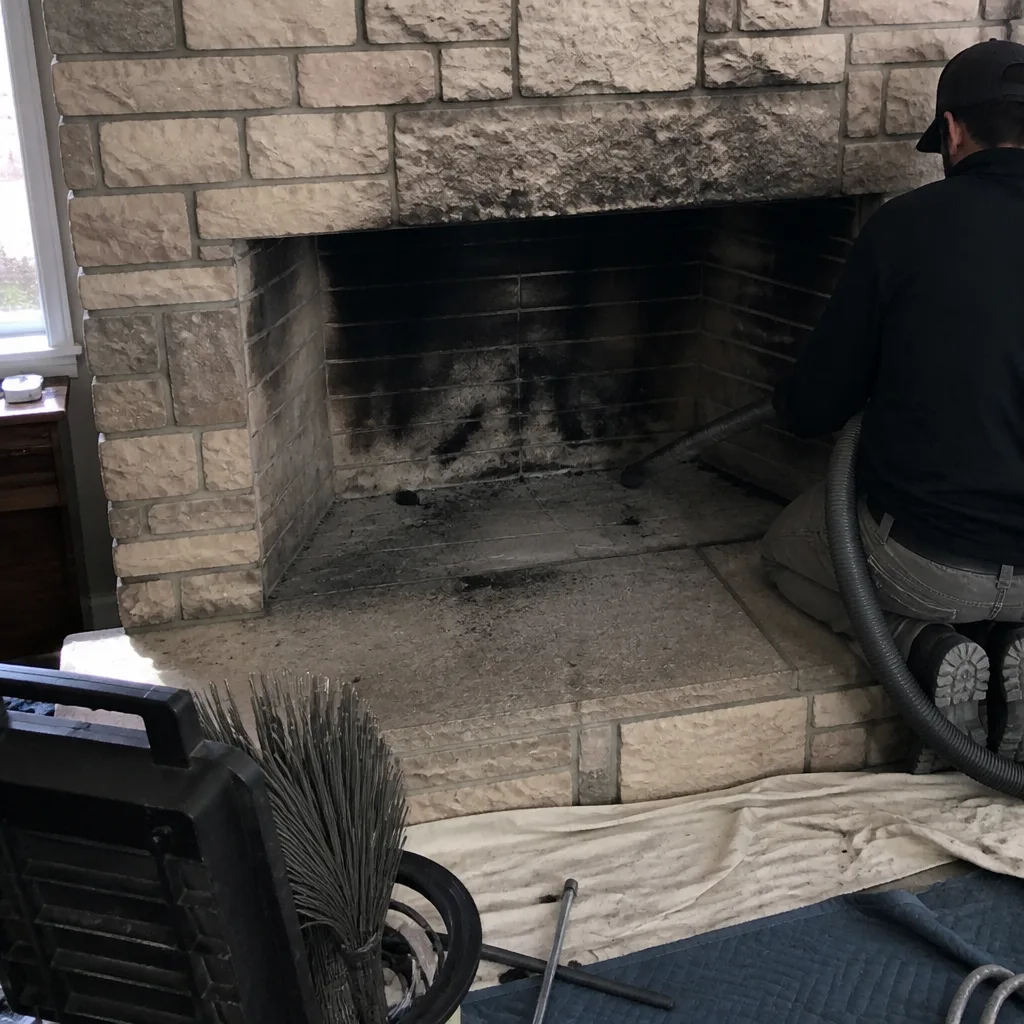 Before
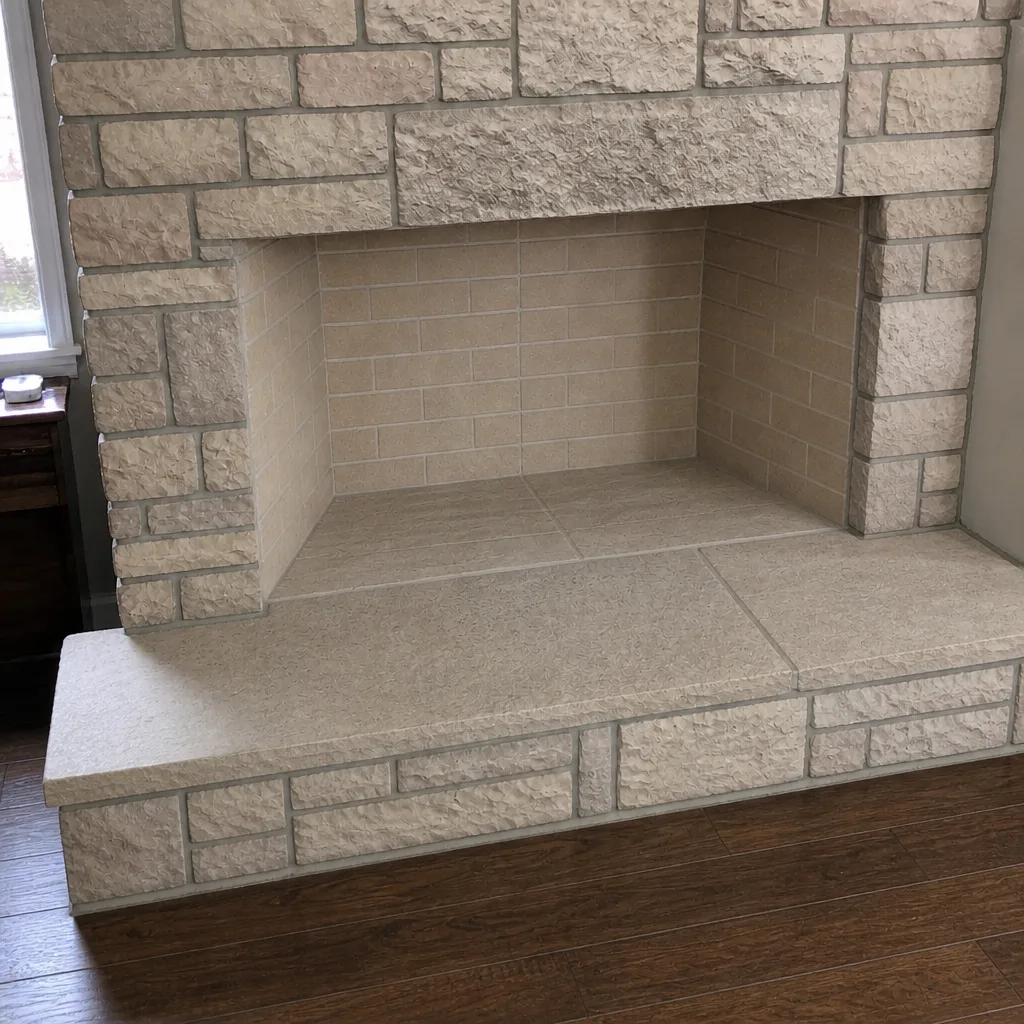 After
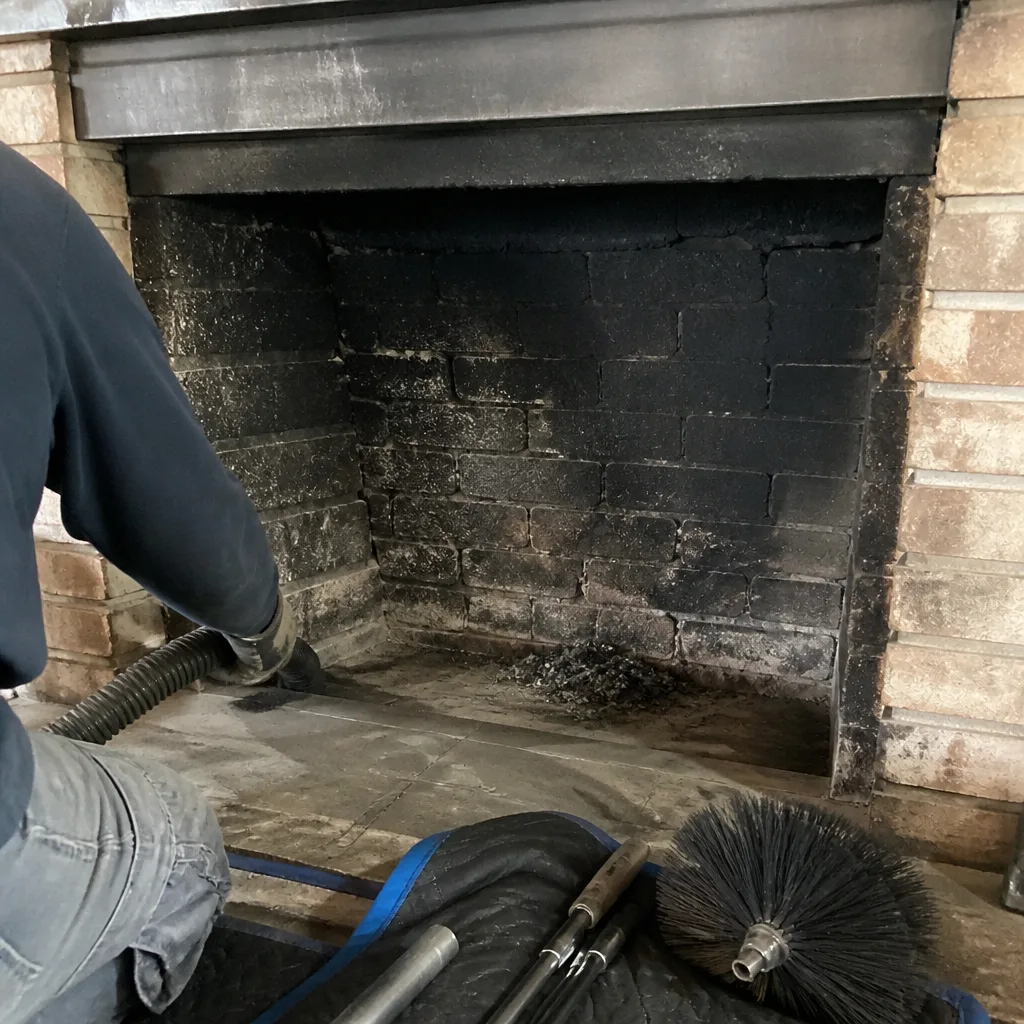 Before
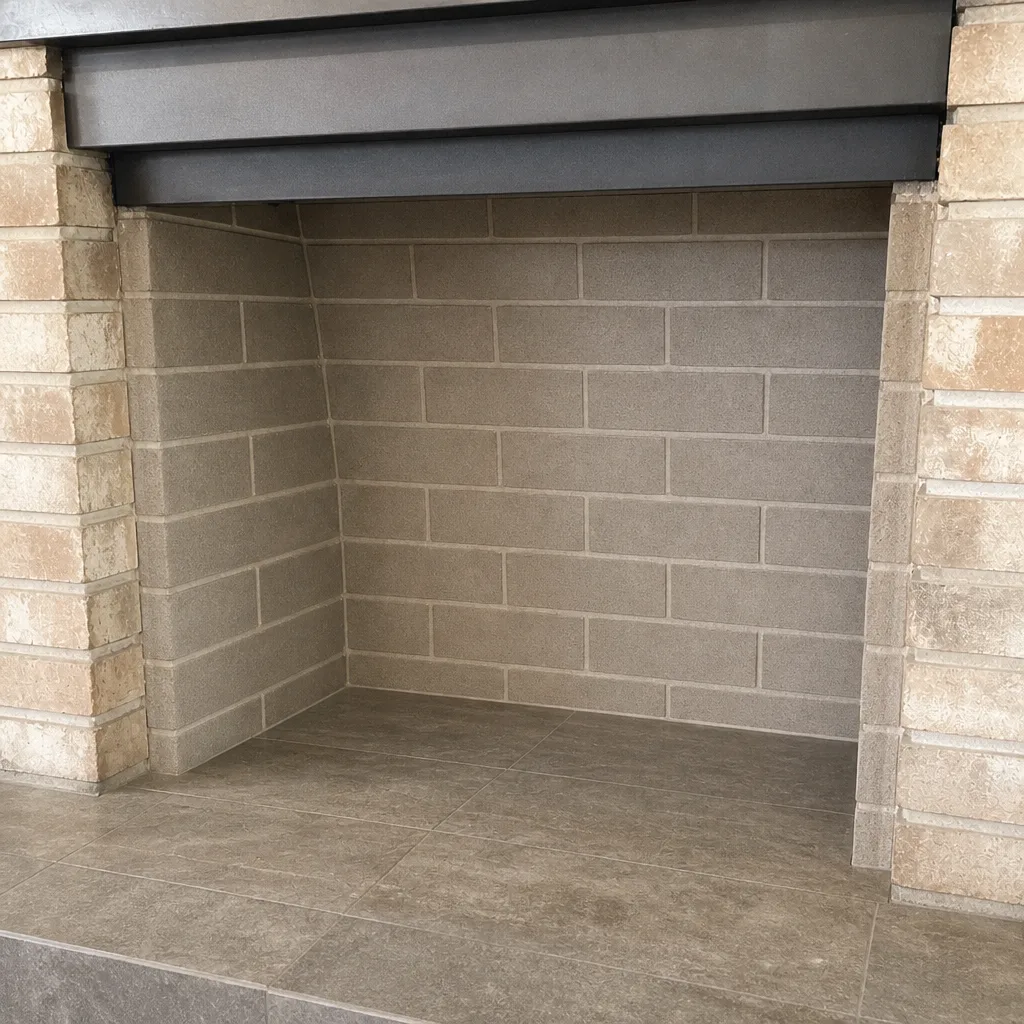 After
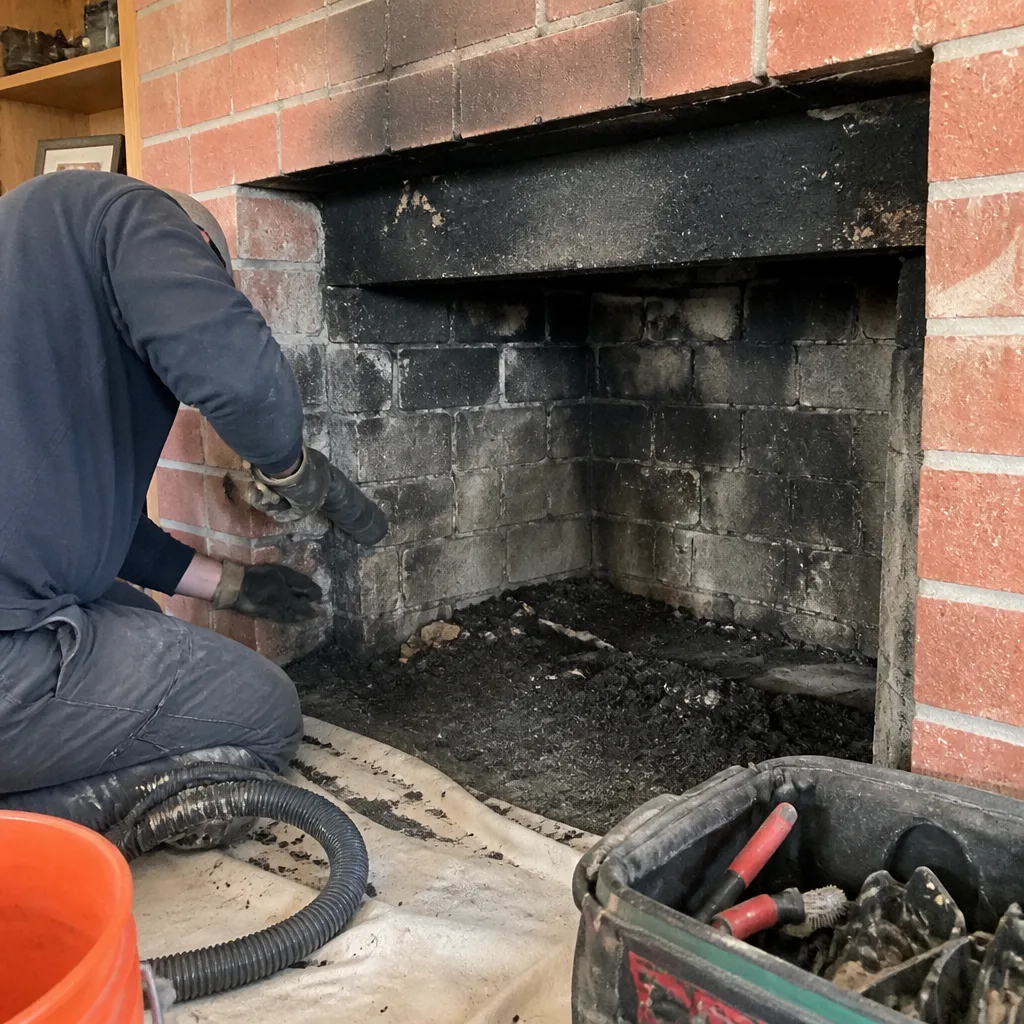 Before
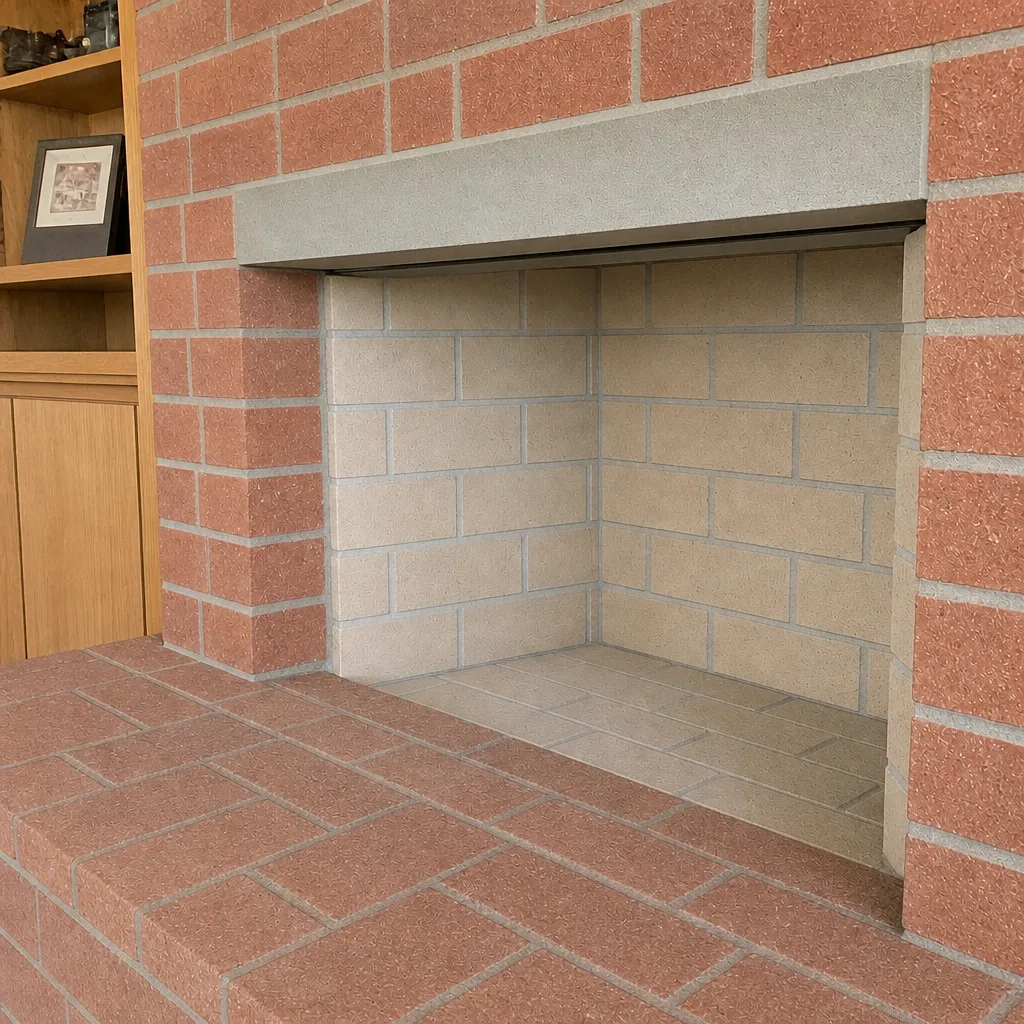 After
When to Call a Professional
Some chimney issues are genuinely routine and some are genuinely urgent, and the difference is worth spelling out. Call a professional if you smell smoke in the house with the fire going, if draft is weak or inconsistent, if you see staining on the ceiling or chase, if the damper won’t operate, if you see cracked or missing mortar on the chimney exterior, or if you’ve never had the flue inspected and don’t know what’s in it. Call the same day if you have any sign of a chimney fire: a loud roaring sound, a sudden drop in draft, black smoke from the top, or visible creosote flakes on the roof. Chimney Sweep Nampa offers free estimates in Nampa, and we work with professional-grade brands including DuraFlex, HeatShield, Gelco, Olympia Chimney, Famco, and Copperfield, so we can take a problem from inspection through repair in one sequence. Call (888) 854-6163 to book an inspection. We answer 24/7. Fast dispatch from 7am to 7pm, Sunday through Friday.
Frequently Asked Questions
Once a year for a wood-burning fireplace, and more often if you burn heavily through the winter. A Nampa burn season runs long enough that creosote can build up faster than the once-a-year guideline suggests, especially if you’re burning unseasoned wood. A sweep and camera inspection will tell you the actual condition of your flue, so you can adjust from there. Call (888) 854-6163 for an exact quote. Estimates are free.
Creosote builds up in the flue, and at a certain thickness it becomes a fire risk because it’s fuel sitting inside a heated structure. A skipped sweep also means you don’t find out about a cracked flue tile, a failing crown, or a bird nest until it causes a problem. The risk is gradual, not sudden, but it doesn’t reverse itself. We tell you what we find in the camera report, and we’re honest when work can safely wait. Call (888) 854-6163 to book a sweep.
Because the pre-season rush hits in October and November, when everyone wants an appointment before the first cold snap. Booking in September means the calendar is open and any repair the inspection turns up can be done before your first fire. A December sweep often becomes a diagnostic for a problem you’ve already noticed, and the fix can’t happen as quickly.
A new liner is only necessary when the existing flue is genuinely compromised, and you should be able to see the evidence before you decide. That’s what the camera inspection and photo report are for: cracked tiles, gaps, and deterioration are visible, and a repair plan should be based on what’s in the photos, not on a verbal recommendation. When a liner is warranted, we install DuraFlex flexible liner systems, and HeatShield ceramic resurfacing is another option for minor damage. Neither is recommended without evidence you can see for yourself.
Yes. We cover dryer vent cleaning alongside chimney services so both exhaust systems get assessed in one appointment, and you don’t need to find a second contractor mid-project. NFPA data links clogged dryer vents to thousands of residential fires annually, so it’s worth checking in the same seasonal pass. Call (888) 854-6163 for an exact quote. Estimates are free.
Spring and early summer, because the weather is mild, the calendar is open, and there’s time to get the repair done before the fall burn season. Winter freeze-thaw damage is most visible in spring, and repairing before summer rain reaches an open crack keeps the damage from spreading. Fall repairs still work, but the pre-season calendar fills up fast.
The Bottom Line
Chimney care in Nampa works best when it follows the seasons rather than a single annual appointment. Book the sweep in September so the calendar is open and repairs have time. Inspect the crown and mortar in spring, before summer rain finds the cracks. Check the cap and screen in summer, when birds are looking for a home. Run a startup checklist in fall, and leave the roof and the flue to a trained professional. Put the dryer vent on the same calendar, because it’s the other exhaust system in the house. Work that schedule and you’ll be ahead of the season, not behind it.
Chimney Sweep Nampa handles chimney sweeping, chimney repair, and dryer vent cleaning under one roof, with professional-grade materials from DuraFlex, HeatShield, Gelco, Olympia Chimney, Famco, and Copperfield. Our technicians have up to 9 years of experience, and the sweep is a flat-price job agreed before booking, with a camera inspection and photo report included. Call (888) 854-6163 for a free estimate. We answer 24/7. Fast dispatch from 7am to 7pm, Sunday through Friday.
Written by the team at Chimney Sweep Nampa.