
Last updated November 15, 2026
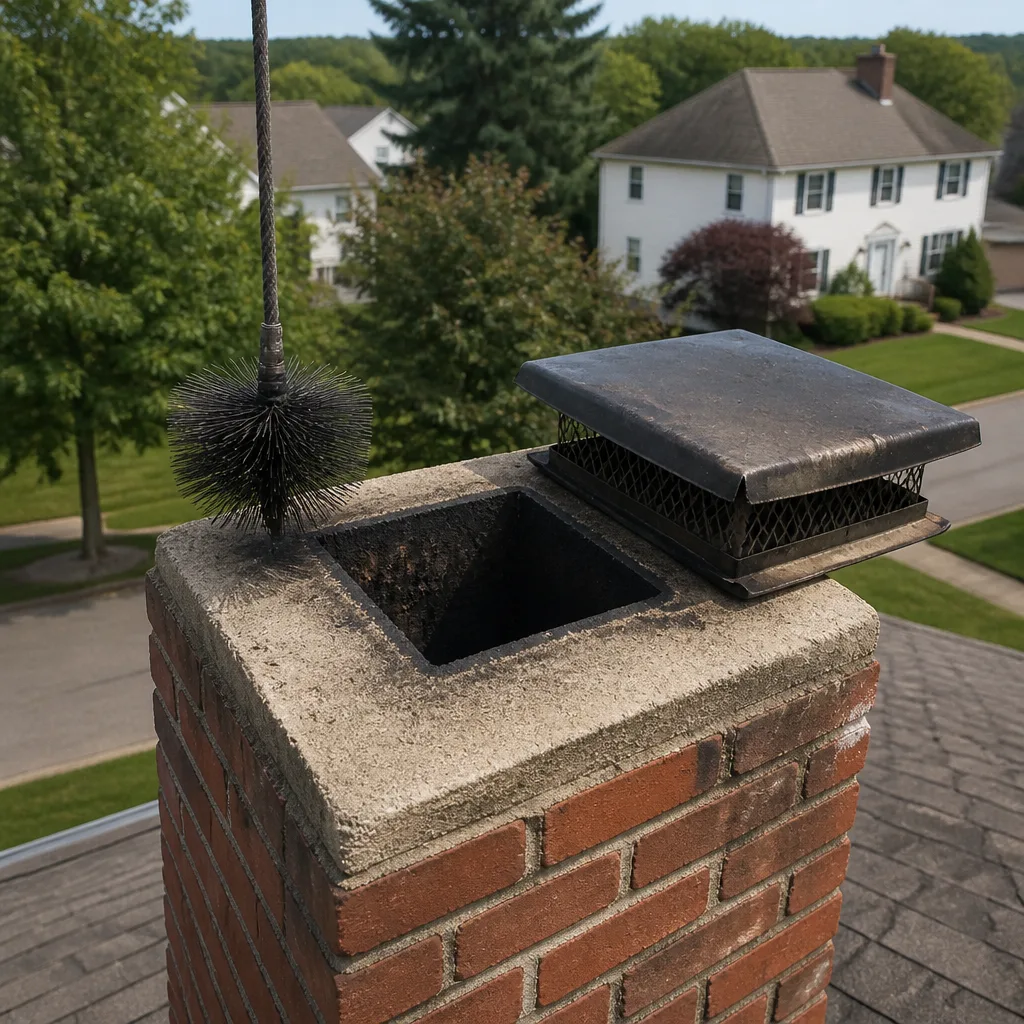 Sweep & inspection
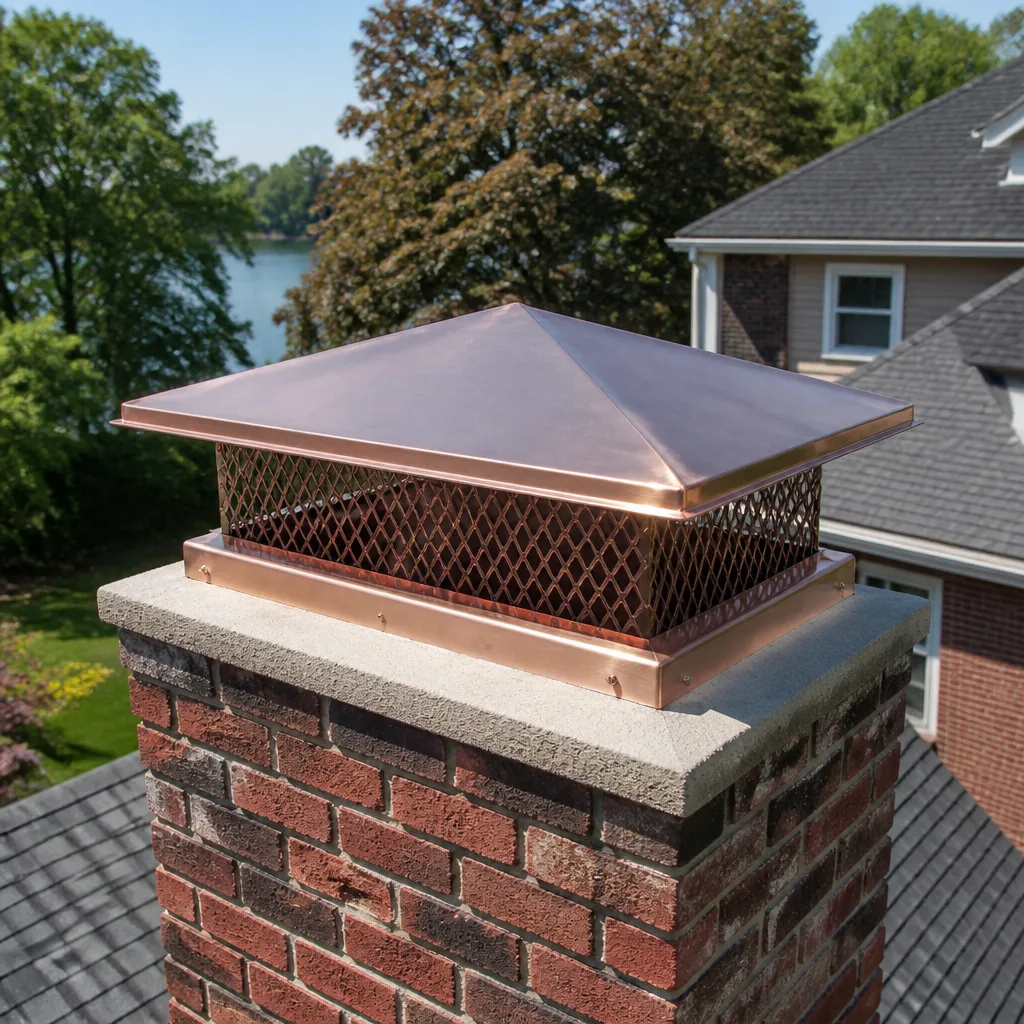 Caps & crowns
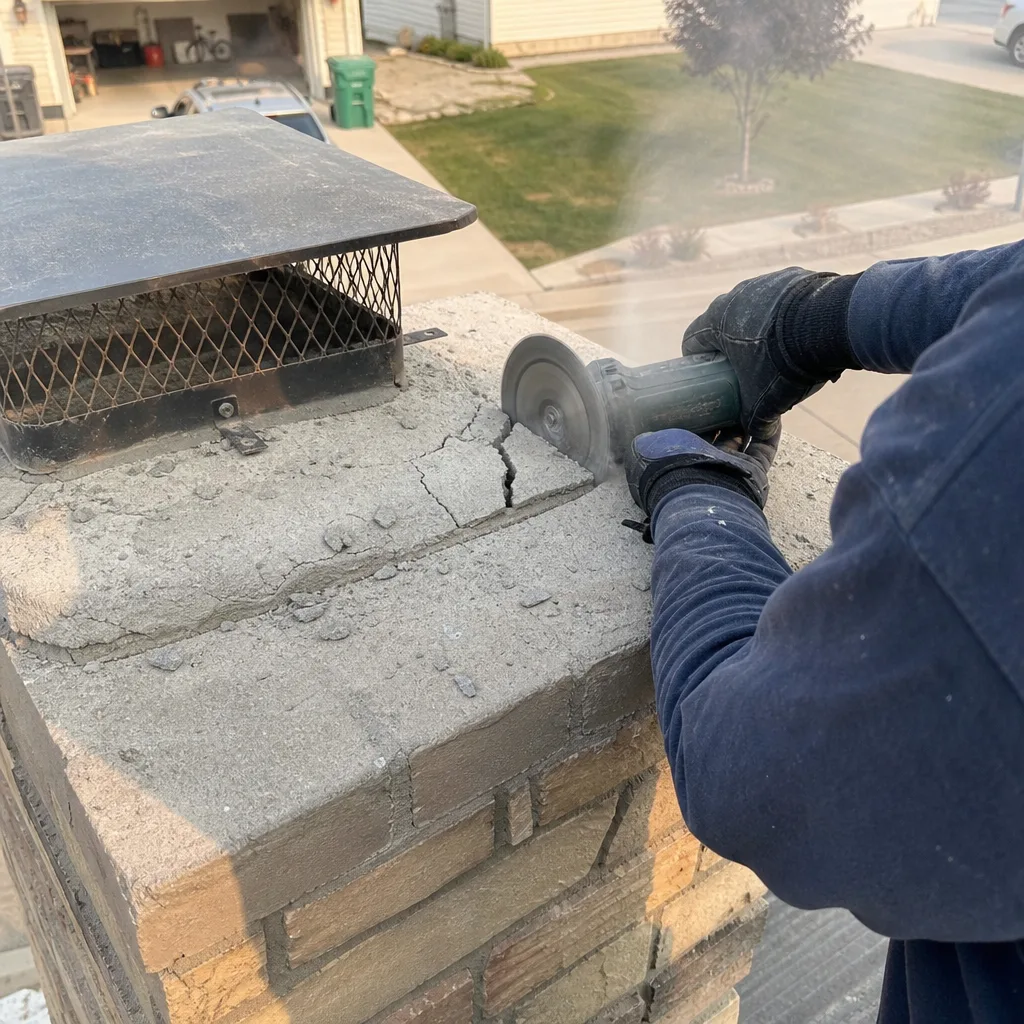
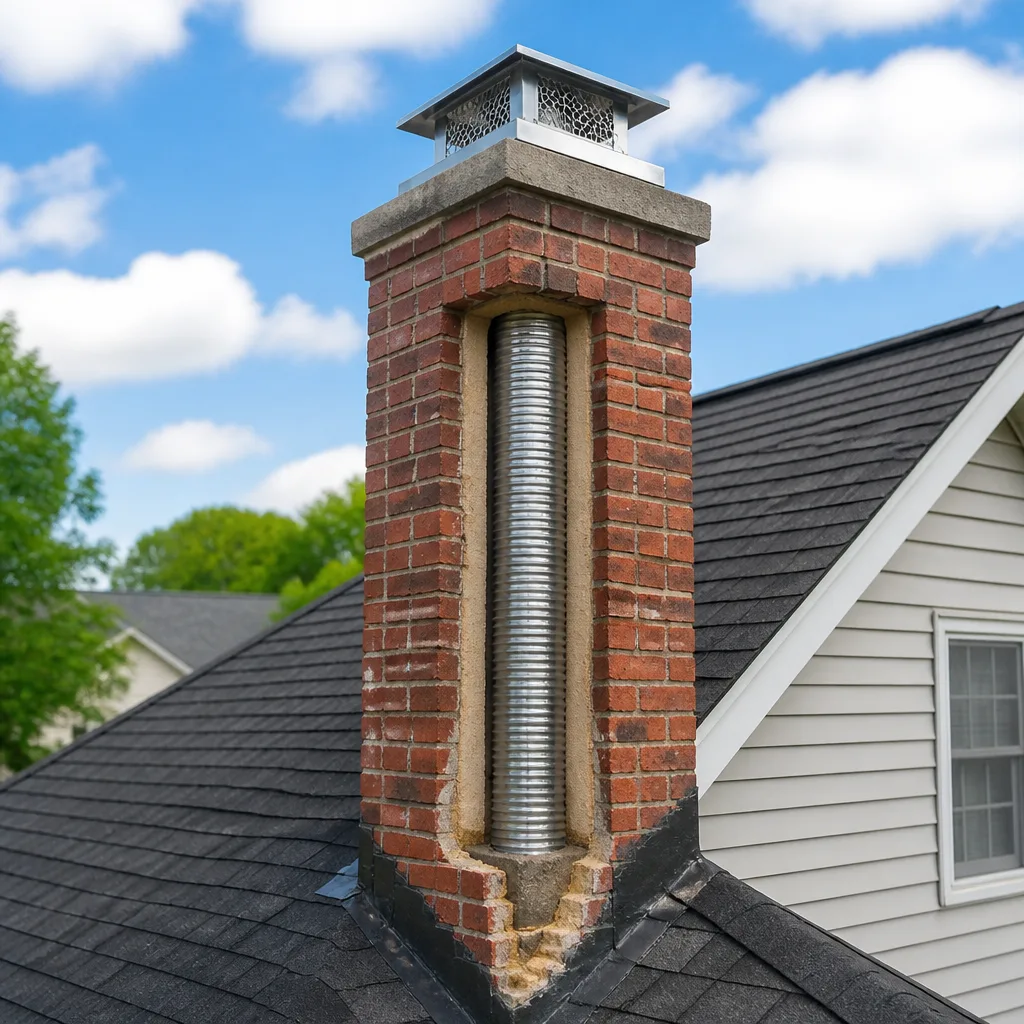 Flue relining
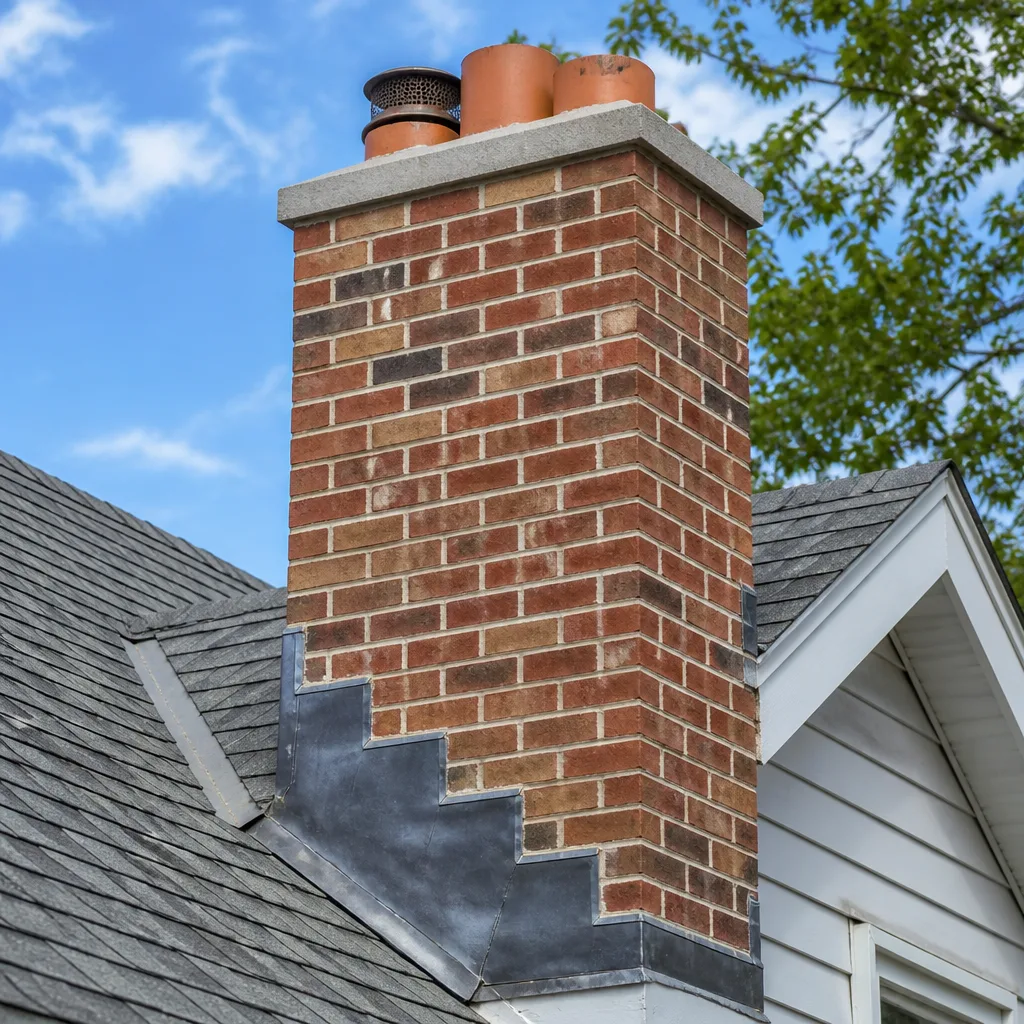 Masonry repair
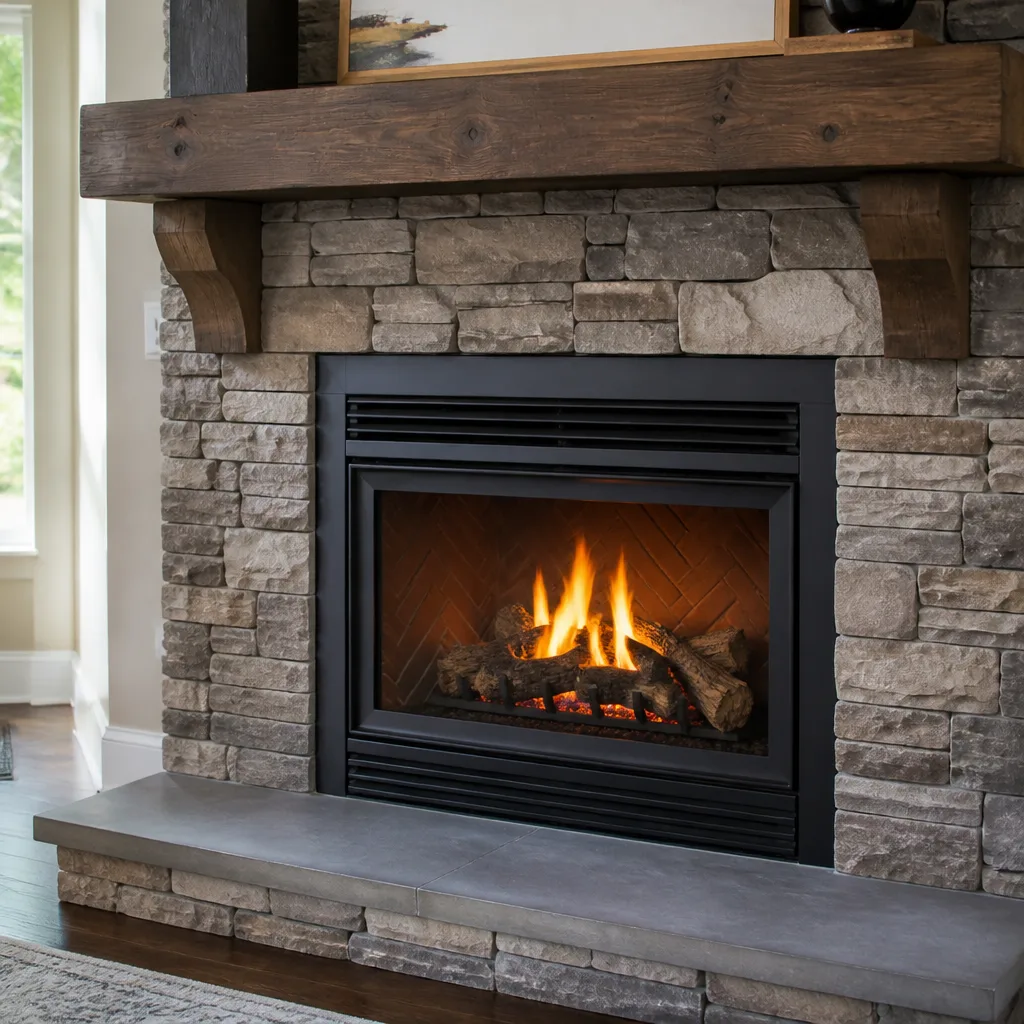 Gas fireplace service
Level 1 sweep and inspection to the NFPA 211 annual standard - flue, crown, cap, and flashing checked and photographed
Chimney sweep logs do not sweep chimneys. They loosen some creosote - which then falls where a brush and vacuum still have to collect it.
How to Hire a Chimney Cleaning Contractor in Nampa: A Step-by-Step Guide
Chimney sweeping has no licensing requirement in Idaho. That means the person on your roof may have learned the trade from a YouTube video last spring, and nothing about the truck, the magnet sign, or the friendly voice on the phone will tell you the difference. The harder question isn’t whether someone will clean your flue. It’s whether they’ll notice a cracked smoke chamber crown, tell you plainly that it can wait a season, or quietly bill you for a liner you never needed. This guide gives you the exact questions to ask, the red flags to watch for, and a way to read a written estimate before anyone climbs on your roof in Nampa.
Quick Answer
To hire a chimney cleaning contractor in Nampa, verify certification, ask about their inspection protocol, confirm what the base price includes, and request written documentation of findings with photos or camera evidence. A qualified sweep will welcome those questions and give you a written estimate before recommending any repair. The best way to spot a cut-rate operator is to watch how they respond when you ask to see the inside of your own chimney.
Styles & brands we work with
- Sweep & inspection
- Caps & crowns
- Flue relining
- Masonry repair
- Gas fireplace service
Table of Contents
- What CSIA Certification Actually Verifies
- The Five Questions to Ask Before Booking
- Red Flags of Low-Bid Chimney Contractors
- How to Read a Written Estimate
- Chimney Sweep vs. Chimney Specialist
- Nampa Chimney Conditions and What They Mean for Your Hire
- What Documentation Should Look Like
- Why Materials Brands Matter When Hiring
What CSIA Certification Actually Verifies (And What It Doesn’t)
CSIA certification proves a technician passed a written and practical exam on chimney inspection and sweeping standards and committed to a code of ethics. It does not guarantee the person running the business is thorough, honest, or capable of performing a structural repair. Think of CSIA as the floor of qualification, not the ceiling. It confirms baseline knowledge. It does not confirm judgment.
In Idaho, unlike some states, there’s no separate state licensing board for chimney sweeps. That absence puts the burden of diligence on you. The CSIA credential is one of the few external signals that separates a trained sweep from someone who bought a brush and a shop vac. But even that certification doesn’t tell you whether the technician offering you a reline has ever installed a DuraFlex flexible liner or whether they’ve done HeatShield ceramic resurfacing before. Those specialty skills sit one layer deeper than generic sweeping certification.
What CSIA certification does verify:
- Passing a proctored exam on chimney systems, venting, and inspection standards
- Familiarity with the three-stage inspection framework (Level 1, 2, and 3)
- Ongoing education requirements to maintain the credential
- Agreement to a professional code of ethics by the business holding the certification
What it doesn’t verify: judgment, honesty, camera equipment quality, or the depth of their repair capability. When you call Chimney Sweep Nampa, we’ll tell you who on our team holds what credential and what our technicians have actually handled. Being direct about that is part of how we build trust. If you’re interviewing three contractors, expect all three to name their certifications without hesitation. A sweep who fumbles that question is telling you something.
The Five Questions to Ask Before Booking
Ask each of these on the phone before scheduling. How a contractor answers is more informative than the answer itself. Vague replies, deflection, or a quick pivot to “we’ll explain once we get there” are all answers you can read.
- What certifications does your technician hold, and can you name them? A legitimate sweep names their credentials clearly and can explain what each one covers. If they claim certification but can’t specify it, that’s a problem.
- What level of inspection is included in your base price? Standard sweeping typically includes a Level 1 inspection (visual check of accessible chimney and flue). A Level 2 inspection adds a camera scan and is required whenever a chimney changes hands, changes fuel type, or after certain conditions. If they don’t distinguish, they don’t know the difference.
- What exactly does your base price cover? Sweeping only, or sweeping plus inspection plus documentation? Get this confirmed. “Cleaning fee” is the phrase to be cautious of – it can hide whether the inspection is included or costs extra.
- How do you document what you find? Photos and a written report are the standard. If they can’t provide photos of the flue interior, you have no way of verifying anything. In Nampa, where a lot of older homes have clay-tile flues that develop hairline cracks over freeze-thaw cycles, photo evidence isn’t a luxury – it’s the difference between a confident repair and a guess.
- Do you carry liability insurance? Ask for the name of their carrier. A contractor with real insurance won’t hesitate to share it. If they dodge the question or say “we’re covered,” press further or walk.
Write the answers down. Five minutes of phone calls saves you from spending money twice.
Red Flags of Low-Bid Chimney Contractors
A low bid is only a red flag when it’s paired with a vague process. Some small operators genuinely charge less because they carry lower overhead. The issue isn’t the price – it’s what’s missing at that price. After years of working through sweeps and repairs in the Treasure Valley, we’ve seen the same shortcuts show up again and again.
- No camera inspection offered. If the first thing a contractor says is “we’ll take a look and let you know,” they don’t have the equipment to actually see inside the flue. A proper sweep has a camera. Full stop.
- Verbal-only estimates. Any repair discussed without a written line-item estimate is, functionally, an open-ended invitation to charge whatever they want. Verbal estimates rarely hold up. Written estimates always do.
- Pressure to approve repairs on the spot. Chimney repairs are rarely emergencies. The exception is an active fire hazard or a blockage – those warrant immediate attention. A cracked crown that’s been there for two winters can wait a week while you think about it. If the contractor won’t let you think, that’s a sign.
- Offering to reline without showing you why. Liners are one of the most frequently overrecommended repairs in this industry. A legitimate recommendation comes with camera footage you can see for yourself.
- No mention of dryer vent cleaning in scope. A full-service chimney contractor typically handles dryer vents too, because both are household exhaust systems. A sweep who only does chimneys and pushes you to “call someone else” for a dryer vent is either limited or not being upfront about what their scope is.
- Vague talk about “the whole system needing work.” Legitimate repairs are specific. “Your smoke chamber needs parging” is specific. “Your whole chimney system is shot” is not.
- No physical business identity. Not a website, not a branded vehicle, but a real address or a verifiable business presence. You don’t need a showroom, but you should be able to confirm who you’re writing a check to.
If any two of these stack up, get a second opinion. That second call costs you nothing.
How to Read a Written Estimate
A written estimate should tell you what’s being done, how it’s being done, what materials are being used, and what the total is. Anything less is a quote, not an estimate. Here’s what a clean estimate looks like and what to watch for in the wording.
What every estimate should include:
- The specific scope of work (a sweep, a Level 2 inspection, a crown repair, a flue reline, etc.)
- The materials being used, named by brand where relevant
- The total cost, itemized
- Any exclusions clearly stated
What vague language is hiding:
- “Cleaning fee” alone typically means sweeping without a documented inspection. Ask whether the camera scan is included. Ask whether a written report comes with it.
- “Inspection included” without specifying the level tells you nothing. Ask what level and what the documentation looks like.
- “Repair as needed” is not an estimate. It’s a placeholder. Get the specific repair named and priced.
- “We’ll assess and advise” means you’re paying for the assessment but not necessarily the recommendation. Ask for the inspection fee and the repair estimate as two separate line items.
Here’s the estimate structure we recommend expecting in Nampa, without committing to a specific price:
- Line 1: Sweep or cleaning – what’s being cleaned, method, price
- Line 2: Inspection – what level, what documentation
- Line 3: Repairs, if any – each repair named individually
- Line 4: Materials – named by brand, not by generic category
- Total – the full amount you’re authorizing
If a contractor’s estimate can’t be broken down this way, ask for one that can. Any professional will do this without complaint. To get a full-picture estimate from us, call chimney sweep services at (888) 854-6163, and we’ll walk through what’s included before anything is scheduled.
Chimney Sweep vs. Chimney Specialist: Which Do You Actually Need?
A chimney sweep cleans. A chimney specialist inspects, diagnoses, and repairs. The two aren’t the same job, and most homeowners don’t need the specialist until the sweep finds something.
Here’s the practical difference:
- A sweep removes creosote and debris, does a Level 1 inspection, and flags anything unusual. That’s the routine appointment. Most well-maintained chimneys need this once a year.
- A specialist handles the diagnosing and repair: relining, smoke chamber resurfacing, crown repair, chase cover installation, damper work. A specialist has the certification and the material expertise to do structural work correctly.
Here in Nampa, many chimneys are on homes built during the 1970s and 1980s boom, when construction moved quickly. Clay tile liners from that era often show mortar joint deterioration, especially after repeated freeze-thaw cycles. A sweep will find it. A specialist will fix it correctly, using materials specified for the job. That’s where specialty systems like HeatShield ceramic flue resurfacing or DuraFlex flexible liners come in – not as generic “solutions” but as specific product systems designed for specific repair conditions.
Before you hire, ask the contractor: “Do you do the repair yourself, or do you refer out?” If they refer out, that’s fine – but be clear about it upfront so you’re not surprised when the repair estimate comes from a second company. A chimney specialist who carries both the sweeping and the repair capability under one operation saves you the handoff. That’s a differentiator worth checking.
Nampa Chimney Conditions and What They Mean for Your Hire
A chimney in Nampa sees a specific set of stressors that a chimney in a wetter climate doesn’t: cold winters with repeated freeze-thaw cycles, dry summers that pull moisture out of masonry, and a shoulder season in spring and fall where you’re burning intermittently. Those conditions shape what kinds of problems a sweep is likely to find, and they should shape the questions you ask before hiring.
Freeze-thaw cycling is the big one. Water gets into hairline cracks in the crown or the mortar joints during wet weather. Then overnight temperatures drop and the water expands, widening the crack. Repeat that a few dozen times through a Nampa winter and a small crack becomes a real problem. A contractor who knows this will mention it when they inspect, and will recommend specific repairs if they find early-stage damage.
Dry summer air matters too. It pulls moisture out of masonry, which can cause surface spalling on older brick. A home on the east side of Nampa with a south-facing chimney will typically show more weathering than a home tucked into a shaded lot. That’s just the reality of the exposure.
What to expect a good sweep to check on any Nampa chimney:
- Crown condition – cracks, spalling, or separation from the flue
- Mortar joints in the firebox and smoke chamber
- Flue liner condition (clay tile cracks are common in homes of a certain age)
- Chimney cap and spark arrestor screen condition
- Damper operation and seal
- Creosote level in the flue
If a contractor skips any of these during inspection, ask why. The full chimney is the full chimney. And if you have a dryer and a wood-burning fireplace, both exhaust systems are worth a look in the same appointment. That’s why dryer vent cleaning typically comes up in the same conversation – a clogged dryer vent is a separate but equal fire risk, and both belong to the same household safety picture.
What Documentation Should Look Like When the Job Is Done
A proper sweep leaves you with something you can hold. Ideally, a written report of what was found, a set of photos or camera footage of the flue interior, and a clear record of what was cleaned or repaired. If a repair was recommended, the report should state the reason and the proposed method.
Why does documentation matter? Because you can’t see inside your own flue. The contractor who inspects it has an information advantage that you don’t, and the only way to close that gap is with evidence you can review. Camera photos, a written description of the flue’s condition, and a clear statement of what was found – that’s the baseline. A contractor who offers nothing more than “we cleaned it, you’re good” is asking you to trust them with no way to verify.
When we work with homeowners in Nampa, we share the camera footage before recommending repairs. If nothing needs fixing, we say so plainly. If something can wait a season, we say that too. Our technicians have up to 9 years of experience, and in that time we’ve seen plenty of chimneys that needed zero repairs and plenty that needed them urgently – and being honest about which is which is the actual job.
Documentation also matters for resale. A written report from a recent sweep is a useful piece of paper when you’re selling a home. It shows the buyer that the chimney was professionally assessed, and it flags any known issues in writing.
Why Material Brands Matter When Hiring
If a repair is recommended, the brand of material used matters more than most homeowners realize. Generic liners, unbranded cement, and off-market repair kits exist, and they’re tempting to a contractor trying to cut costs. They’re also much more likely to fail. When you hire someone who installs professional-grade components like DuraFlex, HeatShield, Gelco, Olympia Chimney, and Famco, you’re getting materials that have a documented track record in the field.
Specifics worth knowing:
- DuraFlex flexible liner systems are a standard for relining wood-burning and gas appliances, and the brand is widely specified by certified chimney professionals.
- HeatShield ceramic flue resurfacing is a specific repair technique for deteriorated flue liners. It’s applied as a slurry that bonds to the interior and restores a smooth, rated surface. Not every sweep does this. When it’s the right repair, it saves an existing flue rather than replacing it.
- Gelco, Olympia Chimney, and Famco supply components – caps, dampers, chase covers, liner fittings – that are the same brands professional sweep associations distribute to certified technicians.
If a contractor’s estimate names generic categories like “liner material” or “chimney cement” without a brand, that’s not necessarily a red flag, but it’s worth asking. Professional sweeps tend to specify brands because they know which ones hold up. When you call to get an estimate, ask what materials will be used and why. That’s a fair question, and any specialist will answer it clearly. Reach us at (888) 854-6163 for an estimate in Nampa. We answer 24/7 and dispatch from 7am to 7pm, Sunday through Friday.
Common Mistakes to Avoid
- Hiring on price alone. The cheapest sweep in Nampa is not always the one who will do a thorough job. If the price is unusually low and the process seems thin, ask what’s missing before you commit.
- Skipping the camera inspection. A sweep without a camera is a sweep who can’t show you anything. The camera scan is how you see the inside of your own chimney. Don’t skip it to save time or money.
- Approving a repair without a written estimate. Verbal approvals are how overcharges happen. Get the scope and the price in writing, every time, even for small repairs.
- Assuming a sweep and a reline are the same job. They’re not. A sweep cleans the flue. A reline installs a new flue interior. If you’re being quoted a reline without seeing camera footage of the problem, ask to see it.
- Overlooking the dryer vent. Many homeowners hire a chimney sweep and never think about the dryer vent. Both are exhaust systems, both accumulate lint or creosote, both are fire risks. Get them inspected in the same season.
- Ignoring the chimney between annual sweeps. In a Nampa winter, a chimney gets a lot of use. If you’re burning frequently from November through February, the annual sweep isn’t optional – it’s the baseline.
- Skipping the second opinion. If something about the estimate doesn’t feel right, get another. A second opinion is one phone call. A mistaken repair can cost thousands. In that order, the phone call wins.
- Not asking who will be on the roof. A company name on the sign doesn’t tell you who’s showing up. Ask whether the technician on-site will be a certified sweep or a helper. The answer matters.
See the difference
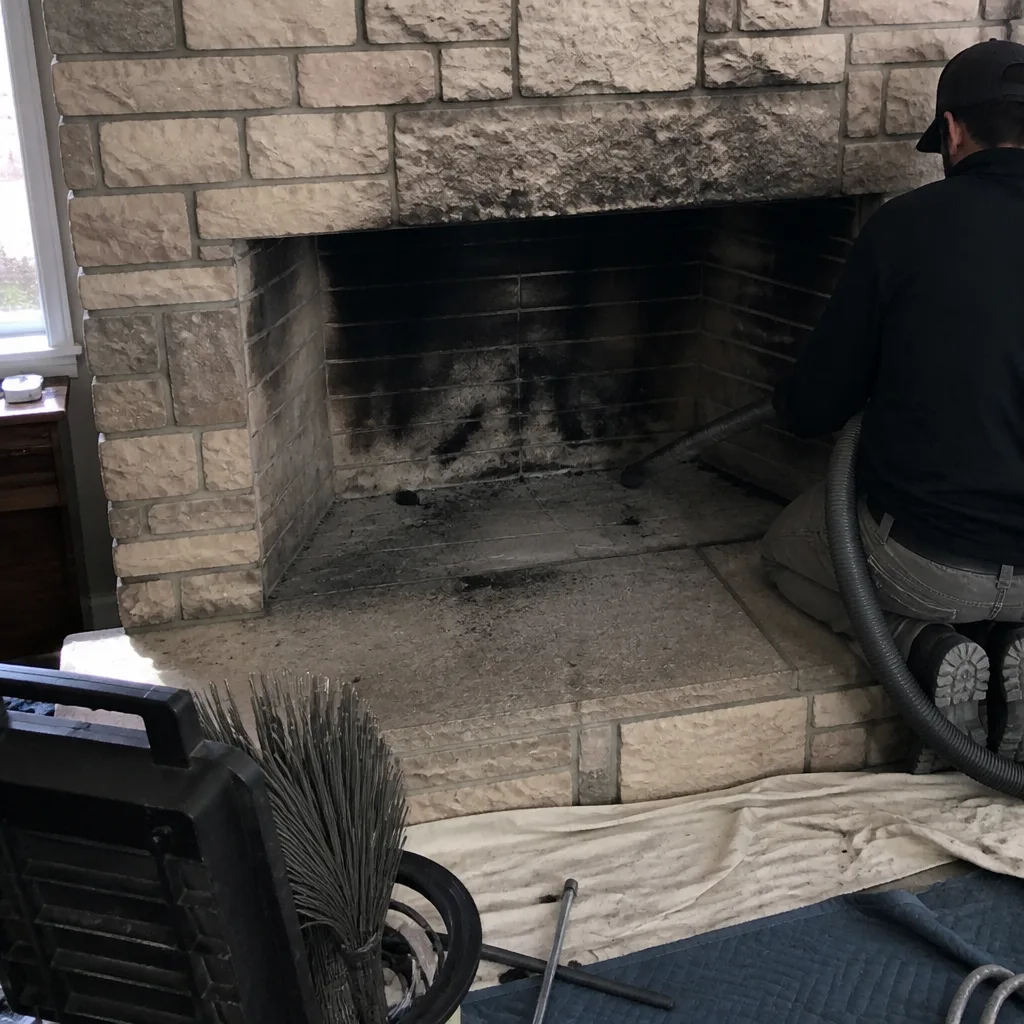 Before
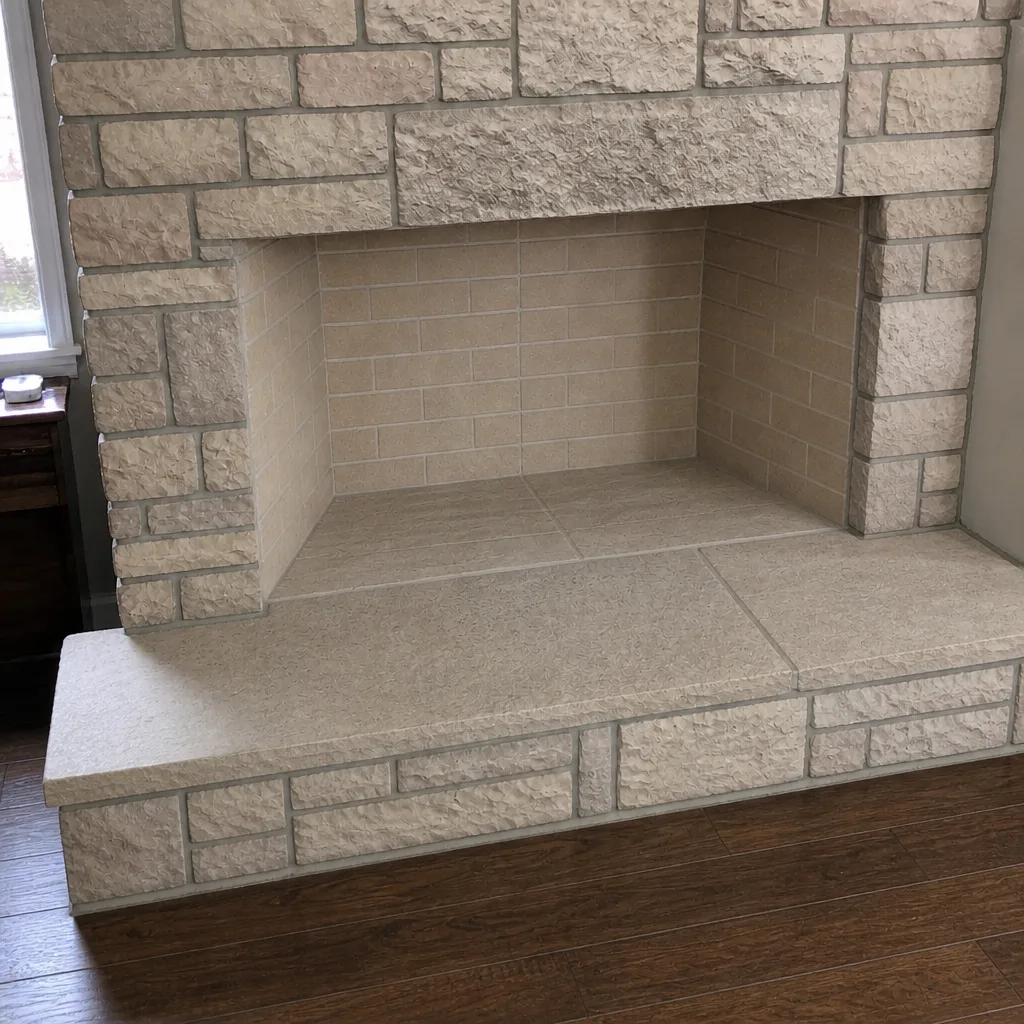 After
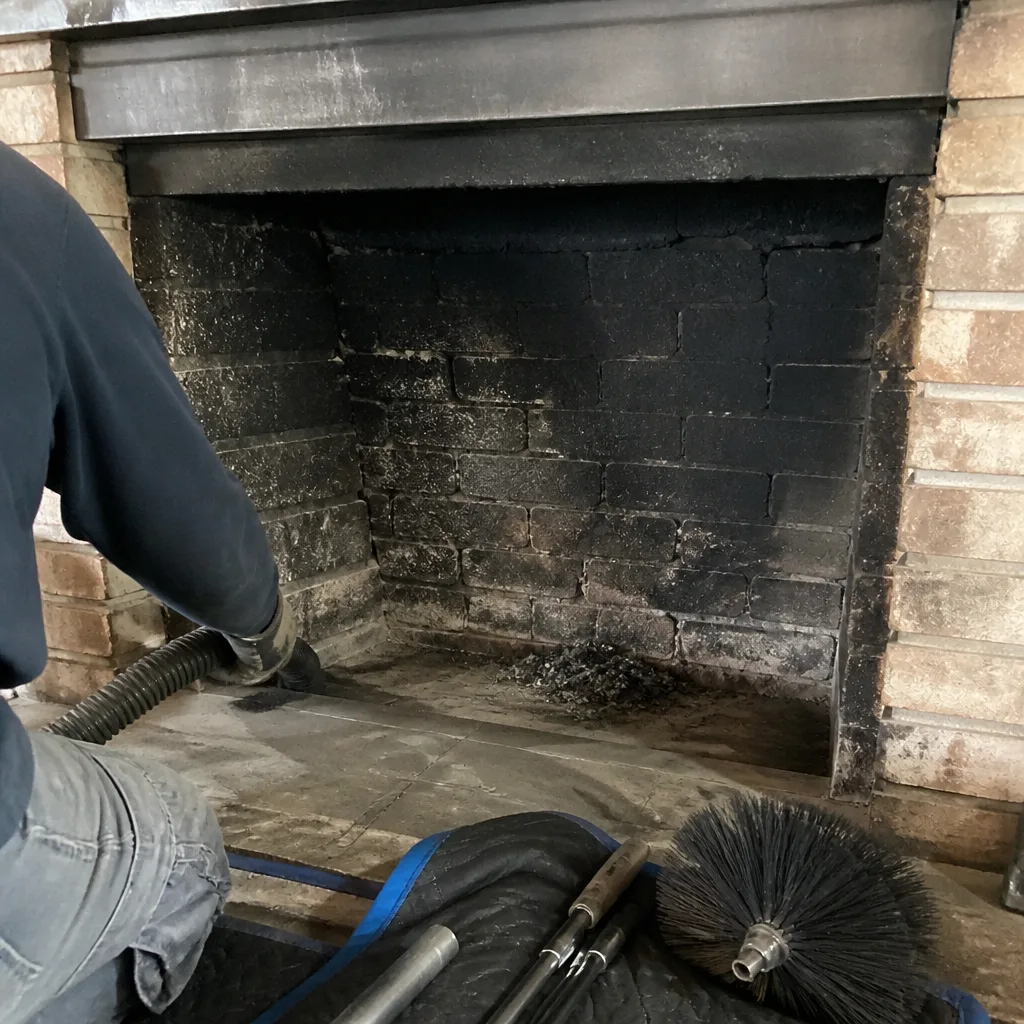 Before
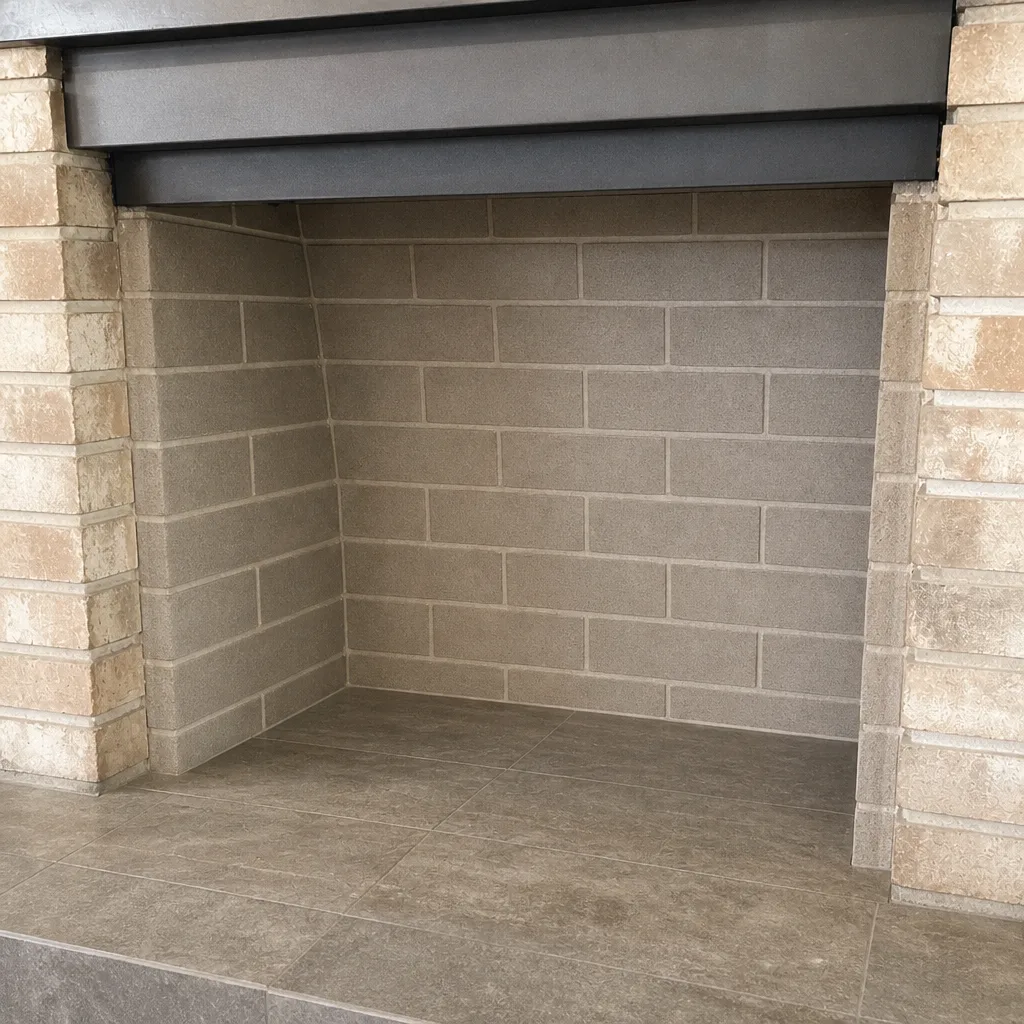 After
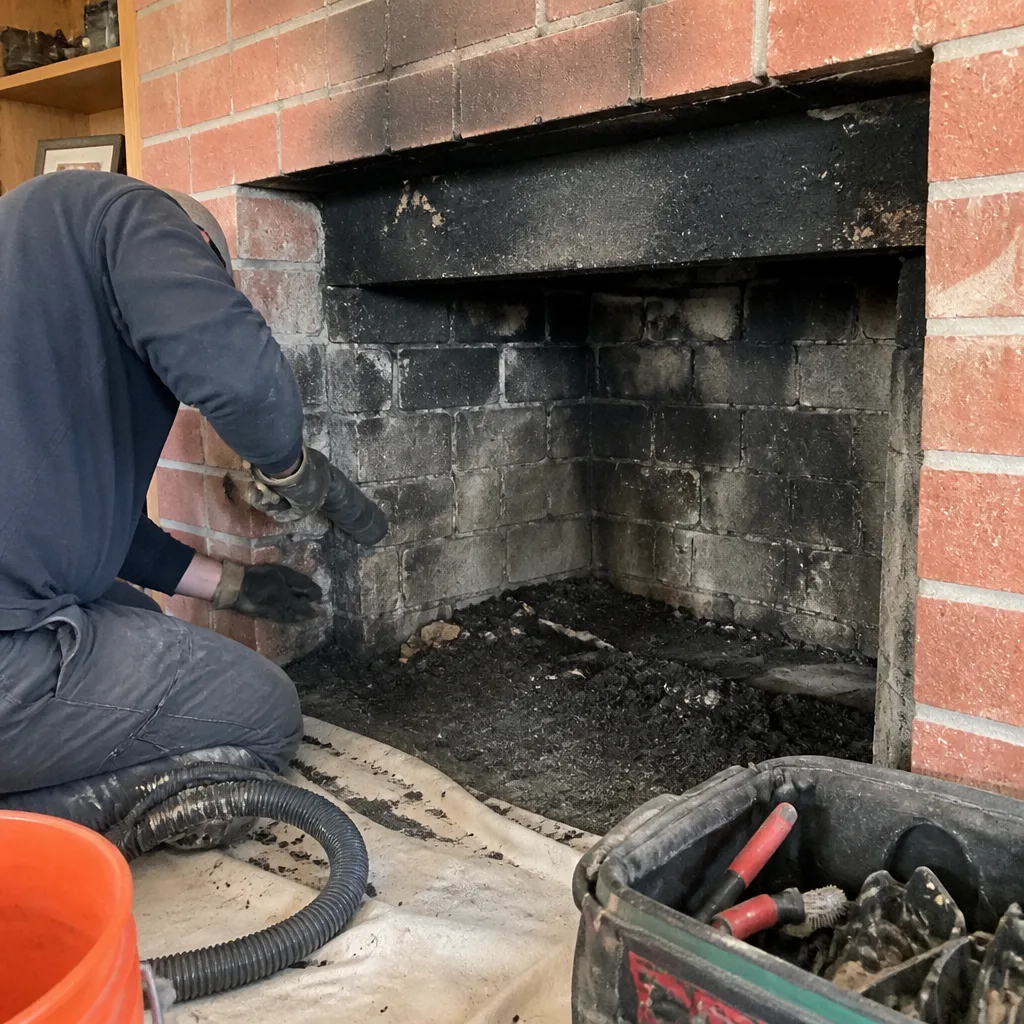 Before
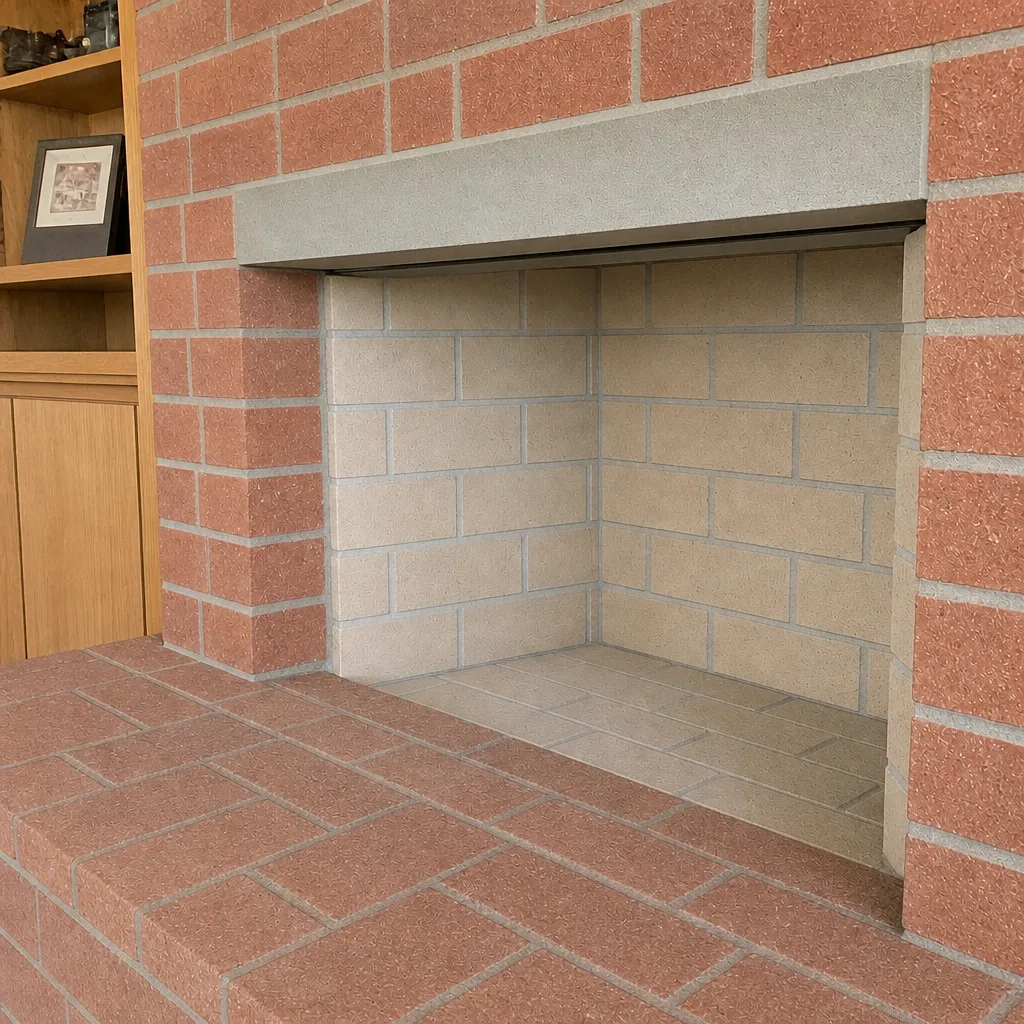 After
When to Call a Professional
Some chimney tasks are genuinely do-it-yourself territory, and some aren’t. Anything involving the interior of the flue, the combustion chamber, or the smoke chamber should involve a trained professional. So should any repair to the crown, liner, damper, or flue cap. The same goes for dryer vent cleaning beyond removing the lint trap lint – a vent run that snakes through a wall needs proper brushing and a camera to confirm the run is clear.
Call a professional if you notice:
- A strong creosote smell in the house when you’re not burning
- Visible smoke coming back into the room
- A buildup of soot or creosote at the firebox opening
- A cracked crown or visible damage to the chimney chase
- Water spots on the ceiling near the chimney chase
- A dryer that takes longer than usual to dry clothes
Chimney Sweep Nampa offers free estimates in Nampa. Call (888) 854-6163. We answer 24/7, and fast dispatch runs from 7am to 7pm, Sunday through Friday. No fee for the estimate. No surprises on the invoice. That’s the point of the whole process – a confident hire, not a gamble.
Frequently Asked Questions
Typical chimney sweep pricing in Nampa is set per job and depends on what’s included – a basic sweep, a camera inspection, and any repair line items are each priced separately. Get a written estimate before scheduling so the total is clear. Call (888) 854-6163 for an exact quote – estimates are free.
Yes, because Idaho doesn’t require chimney sweeps to be licensed at the state level. CSIA certification is one of the only external signals that separates a trained sweep from someone without formal training. Ask for the specific credential and expect a clear answer.
A Level 1 inspection is a visual check of accessible parts of the chimney and flue, and it’s typically included with a standard sweep. A Level 2 inspection adds a camera scan of the flue interior and is often required after a chimney changes hands, changes fuel type, or shows signs of damage. Ask which level your estimate covers before booking.
A legitimate repair recommendation comes with camera footage or photos of the problem, a written description of the issue, and a clear explanation of the repair method. If a contractor can’t show you why they’re recommending the work, ask for the evidence before you approve it. Nothing is recommended without camera evidence you can see for yourself.
It’s often practical to combine them, since both are household exhaust systems and both are fire risks when they build up residue. A dryer vent run typically needs inspection if it’s been a few years or if the dryer is taking longer to dry clothes. Combining the appointment is more efficient than booking separately.
Only if something about the first estimate feels off – a vague scope, missing documentation, pressure to approve a repair before you’ve had time to think. A second estimate costs nothing and confirms whether the first was fair. Call (888) 854-6163 for a free estimate comparison if you want a second opinion.
The Bottom Line
Hiring a chimney cleaning contractor in Nampa comes down to a handful of clear checks: verify certification, confirm the inspection level, get a written estimate with itemized line items, and ask to see the camera footage before approving any repair. A contractor who welcomes those questions is a contractor worth hiring. One who dodges them is telling you something important before they ever climb on the roof. Nampa chimneys face specific local conditions – freeze-thaw cycles, dry summers, older clay tile flues – and the right hire is one who knows how those conditions show up. Chimney Sweep Nampa offers free estimates. Call (888) 854-6163. We answer 24/7, and fast dispatch runs from 7am to 7pm, Sunday through Friday.
Written by the team at Chimney Sweep Nampa.