
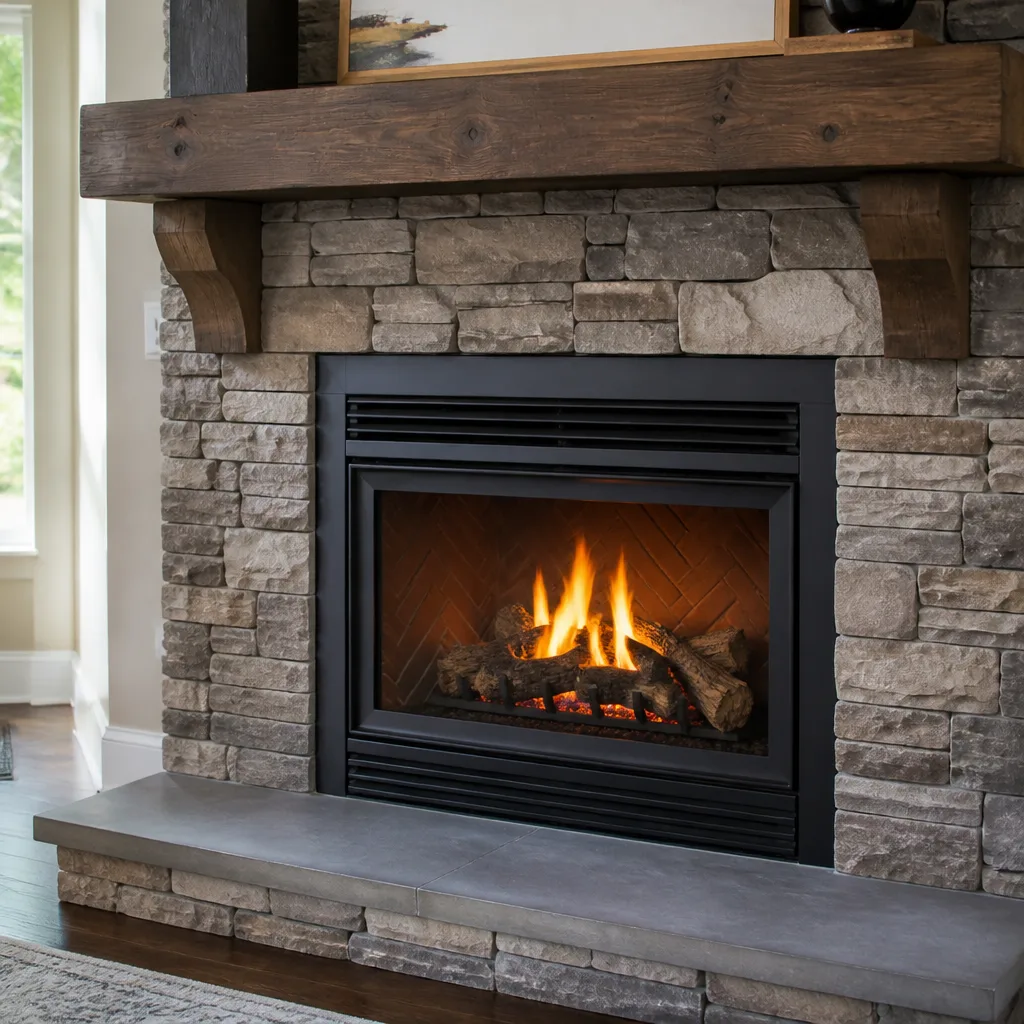
 Gas fireplace service
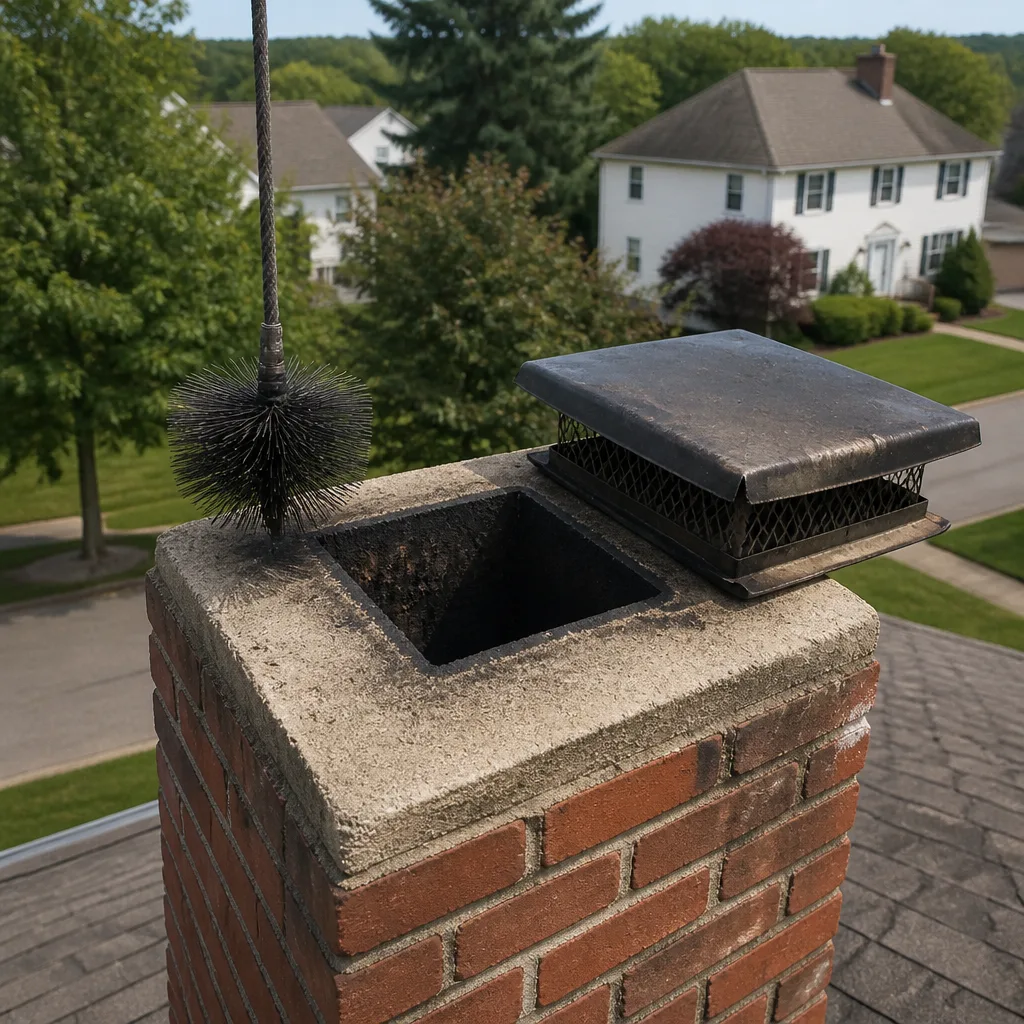 Sweep & inspection
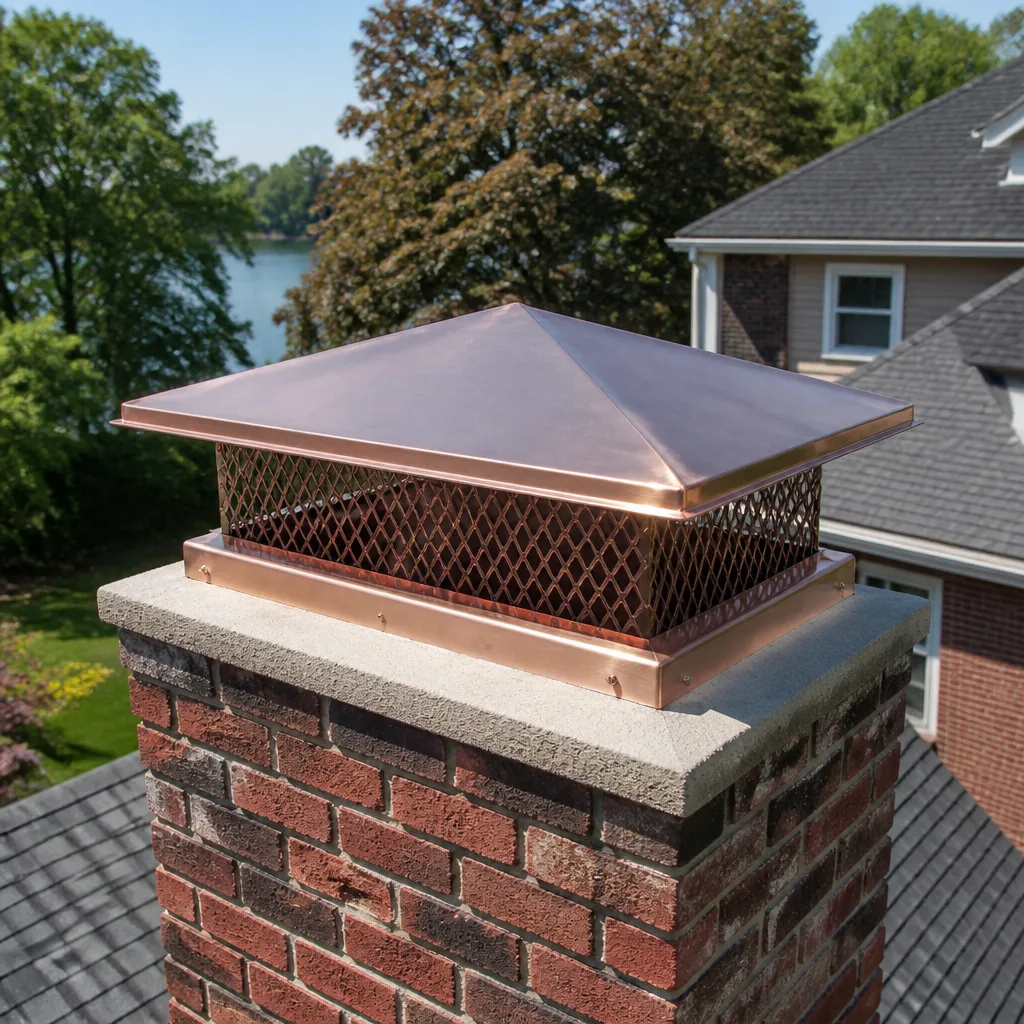 Caps & crowns
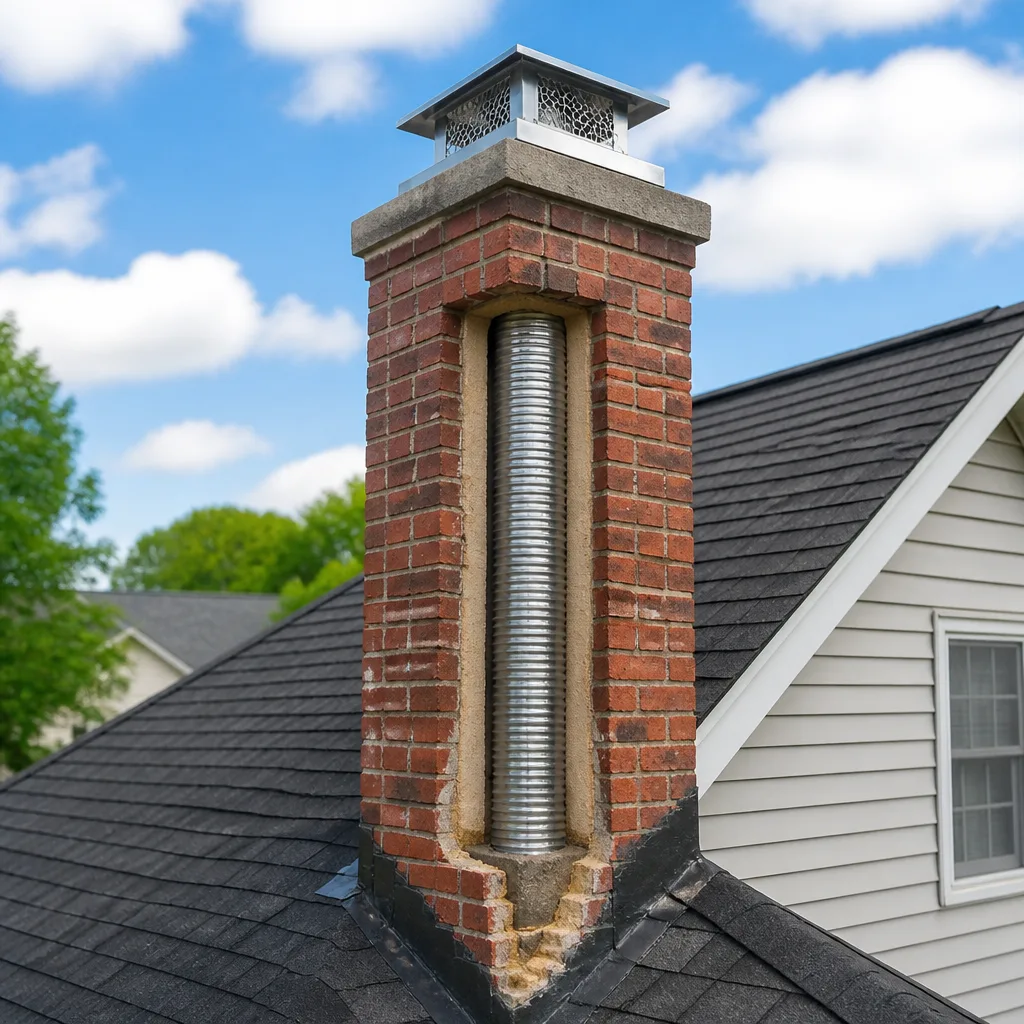 Flue relining
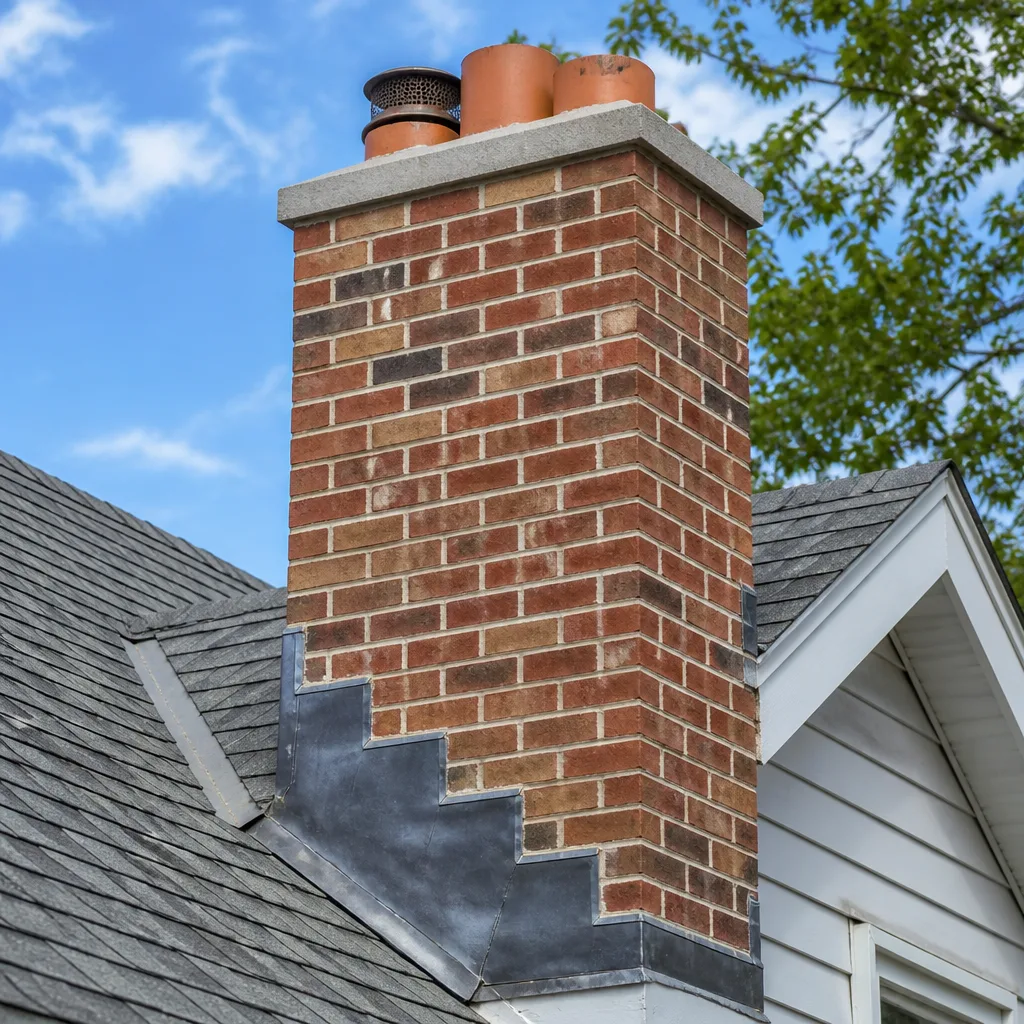 Masonry repair
Level 1 sweep and inspection to the NFPA 211 annual standard - flue, crown, cap, and flashing checked and photographed
Chimney sweep logs do not sweep chimneys. They loosen some creosote - which then falls where a brush and vacuum still have to collect it.
Why Nampa Homeowners Choose HeatShield Chimney Cleaning
Chimney Sweep Nampa provides independent HeatShield chimney service in Nampa, including firebox resurfacing, flue liner restoration, crown and smoke chamber repair, and the Level 2 inspections that decide whether a HeatShield pour is even the right call. What makes our HeatShield work different is the sequence: we evaluate the whole chimney before recommending resurfacing, and we tell you plainly when a rebuild or a reline makes more sense than a pour. HeatShield is a castable refractory resurfacing system, not a chimney component you bolt on, so the judgment behind the install matters as much as the material itself.
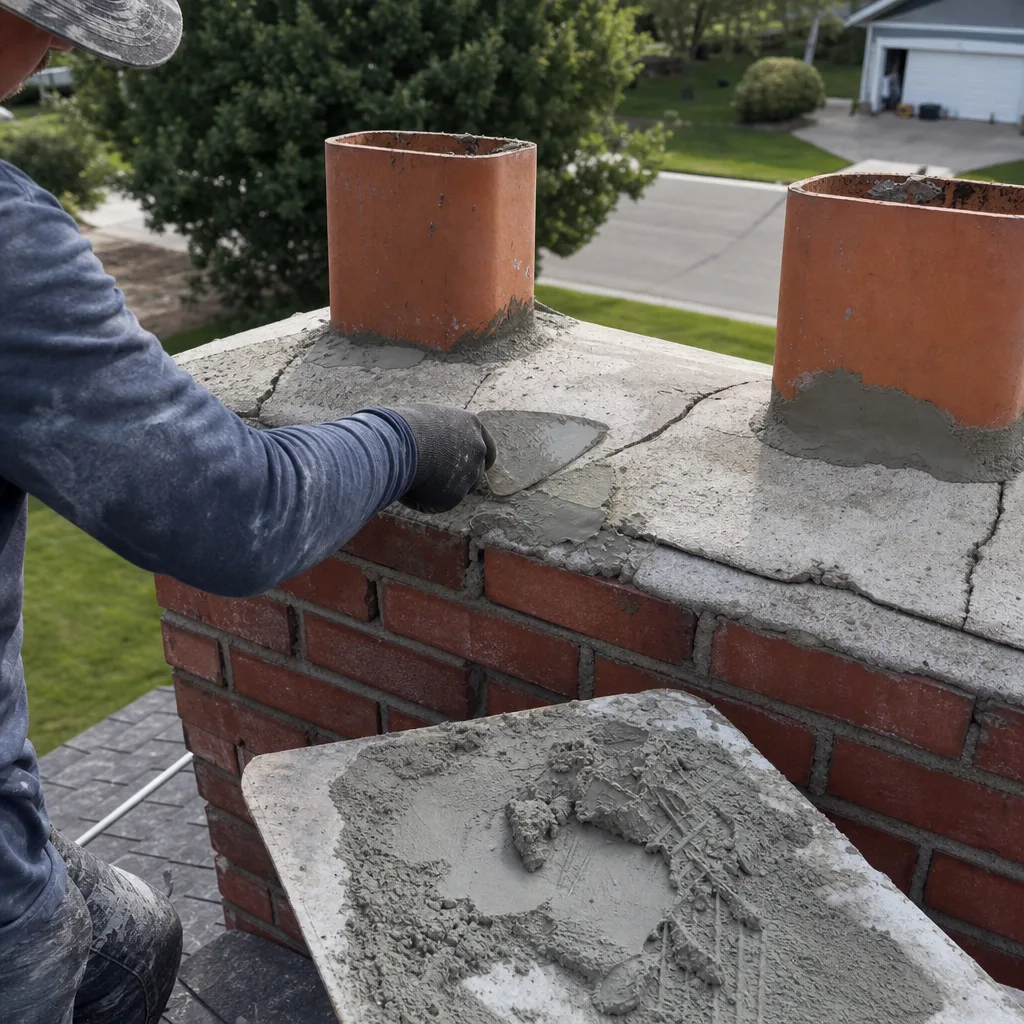
We’re an independent HeatShield service provider. Chimney Sweep Nampa is not affiliated with, authorized by, or sponsored by HeatShield or any manufacturer, and we don’t present ourselves as a factory representative. That independence is the point. Our recommendations come from what the camera and the inspection show, not from a brand quota. If your firebox needs a HeatShield pour, we’ll say so and explain why. If it needs something else, we’ll say that too.
Our technicians have up to 9 years of experience working on wood-burning fireplaces, gas inserts, wood stoves and factory-built chimneys across Nampa. Call (888) 854-6163. We answer 24/7. Fast dispatch from 7am to 7pm, Sunday through Friday.
Why Trust Chimney Sweep Nampa for Your HeatShield Chimney Cleaning?
HeatShield work rewards familiarity. A castable refractory pour behaves differently depending on the surface it goes onto, the thickness it cures at, and the moisture content of the masonry underneath. Our technicians have handled enough of these jobs to recognize the warning signs before a pour goes down rather than after it fails, and they know which prep steps can’t be skipped.
We buy genuine HeatShield castable refractory and bonding components through authorized distributors for any resurfacing work. Generic refractory cement is not a substitute where the system’s cure and thickness specifications govern how the finished liner performs. Substituting on the material side is one of the most common reasons a HeatShield job underperforms, and we don’t take that shortcut.
Warranty-safe practice matters here as much as material choice. Proper surface preparation, correct cure conditions, and documentation of what was found and what was done all protect the integrity of the finished work. When we service a HeatShield surface that someone else installed, we photograph the condition, note the failure pattern, and explain what we can repair versus what needs to be redone. Some of that is genuine HeatShield material. Some of it is honest diagnosis.
We handle firebox repair, creosote removal and Level 2 inspections as related parts of the same visit, so you’re not bounced between contractors mid-project. HeatShield resurfacing sits inside a fuller scope that also covers DuraFlex flexible liner systems, Gelco, Olympia Chimney, Famco and Copperfield components, plus dryer vent cleaning. That range means we can weigh every option on your chimney instead of steering you toward the one technique we happen to offer.
Styles & brands we work with
- Sweep & inspection
- Caps & crowns
- Flue relining
- Masonry repair
- Gas fireplace service
Common HeatShield Chimney Cleaning Problems We Fix in Nampa
Most HeatShield failures we see in Nampa trace back to application conditions rather than the material itself. Here are the patterns worth knowing.
- Spalling and delamination of the castable surface. When a HeatShield pour goes over soot, oil or moisture-soaked masonry, the new refractory layer can’t bond to a stable substrate. It blisters, flakes and sheds grit into the firebox. Homeowners often notice a gritty residue after every burn and assume the fireplace is dirty when the surface itself is coming apart.
- Cracking at the firebox throat and smoke shelf. These are the areas where a castable layer tends to cure thin or end up unsupported. Thermal cycling then opens hairline fissures that reach into the masonry behind. A crack at the throat is easy to miss on a visual glance and shows up clearly on camera.
- Failed bond at the transition to original brick. Where HeatShield meets the existing masonry, a weak joint lets water and creosote wick behind the liner. That degrades the bond from the back side, and the surface can look intact while the connection behind it is failing.
- Pours applied over unsound or badly spalled firebrick. This is the costliest scenario. Resurfacing was chosen when a rebuild or liner replacement was the correct answer, and the new layer fails because the structure beneath it was already gone. Honest assessment up front prevents it.
- Moisture intrusion that undermines a fresh pour. Nampa’s dry summers and occasional high-wind and dust events stress caps and gaskets, and a chimney that takes on water through a compromised crown or cap will push that moisture into new refractory work. A pour is only as good as the chimney’s watertightness above it.
Nampa’s long heating season shapes how these failures show up. This is wood-heat country. A large share of homes here burn wood as a supplemental or primary heat source, and many are manufactured homes and older farm-era houses on the city’s edges where factory-built metal chimneys and wood stoves are the norm rather than masonry fireplaces. Technicians routinely find undersized or aging prefab flues and third-degree creosote from burning the region’s abundant softwoods and scrap wood instead of seasoned hardwood. Heavy real wood-burning use plus a lot of non-masonry flue systems means chimney work around Nampa is as much about inspecting and re-certifying prefab and stovepipe systems as it is about sweeping creosote. That context matters for HeatShield specifically: resurfacing is a masonry-firebox and flue-lining technique, and on a manufactured-home prefab chimney the right answer is often a listed liner system like DuraFlex rather than a castable pour. Knowing the difference is the whole job.
A typical HeatShield repair in an older masonry fireplace often starts with a homeowner noticing crumbling, flaking material at the firebox walls and gritty residue after every burn, sometimes years after a pour was applied over a damp or sooty surface that never bonded. A qualified sweep typically performs a Level 2 inspection with a camera to see whether the castable layer is delaminating, checks the flue and smoke chamber for related cracking, then removes loose material, addresses the underlying moisture or creosote problem, and either re-pours the firebox or recommends rebuilding if the brick behind it is too far gone.
HeatShield Parts & Our Repair-vs-Replace Approach
HeatShield’s castable refractory and bonding components are proprietary, and they’re sourced only through authorized distributors. For any resurfacing work we buy genuine HeatShield materials rather than substituting a generic refractory cement, because the system’s cure and thickness specs are what make the finished liner hold up to thermal cycling. We don’t stock OEM or genuine HeatShield parts on hand, and we’re not a HeatShield dealer. We repair, install and service HeatShield systems using quality materials that fit them.
The repair-versus-replace call is the part that actually protects your money. Resurfacing makes sense when the firebox masonry is sound, the flue lining has integrity, and the failure is confined to a surface layer that didn’t bond properly. Resurfacing does not make sense when firebrick is deeply spalled, when the flue has lost structural integrity, or when the substrate behind a failed pour is already crumbled. In those cases a rebuild, a reline with a system like DuraFlex, or a full replacement is the honest recommendation, and we’ll explain why before any work is booked.
The written estimate sets the final price, the estimate itself is free, and nothing gets recommended without camera evidence you can see for yourself. Call (888) 854-6163 to start with an inspection.
Our HeatShield Service Process – Step by Step
- 1
Level 2 inspection and camera diagnosis. We start with a full inspection of the firebox, throat, smoke shelf, flue and smoke chamber, using a camera to see what a visual check can’t. For HeatShield systems we’re specifically looking for delamination, throat cracking, bond-line separation at the brick transition, and any sign the original pour went over an unsound substrate.
- 2
Repair or resurface. If a HeatShield pour is appropriate, we remove loose and compromised material, correct the moisture or creosote problem underneath, and apply genuine HeatShield castable refractory through authorized distributor materials. If resurfacing won’t hold, we lay out the rebuild or reline option instead and explain the reasoning.
- 3
Test and verify. Once cured, we check the finished surface for bond, thickness and coverage, confirm the flue and smoke chamber are clear and sound, and review what we found with you on camera so you’re not taking our word for it.
- 4
Documentation. You get a record of the condition we found, the work performed and the material used. That record is what supports any warranty discussion down the line and tells the next technician exactly what they’re working on.
See the difference
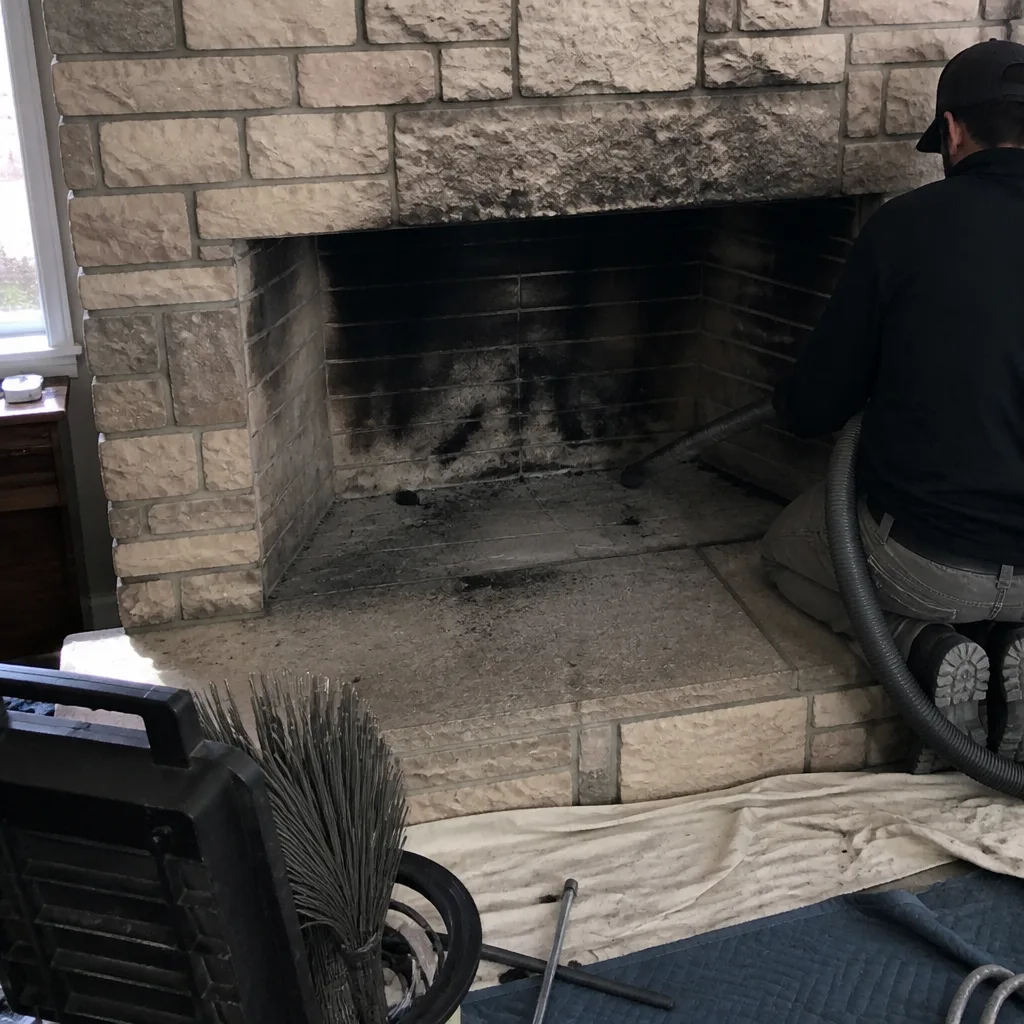 Before
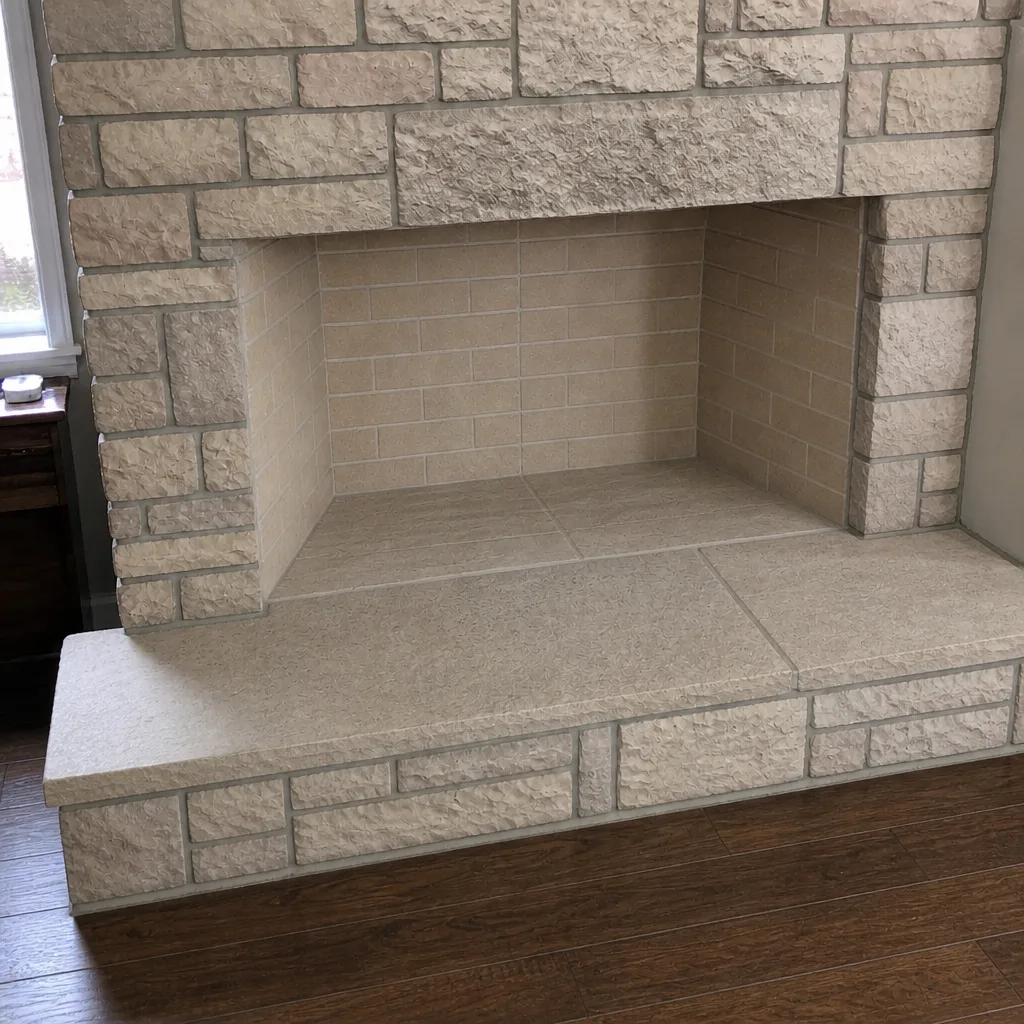 After
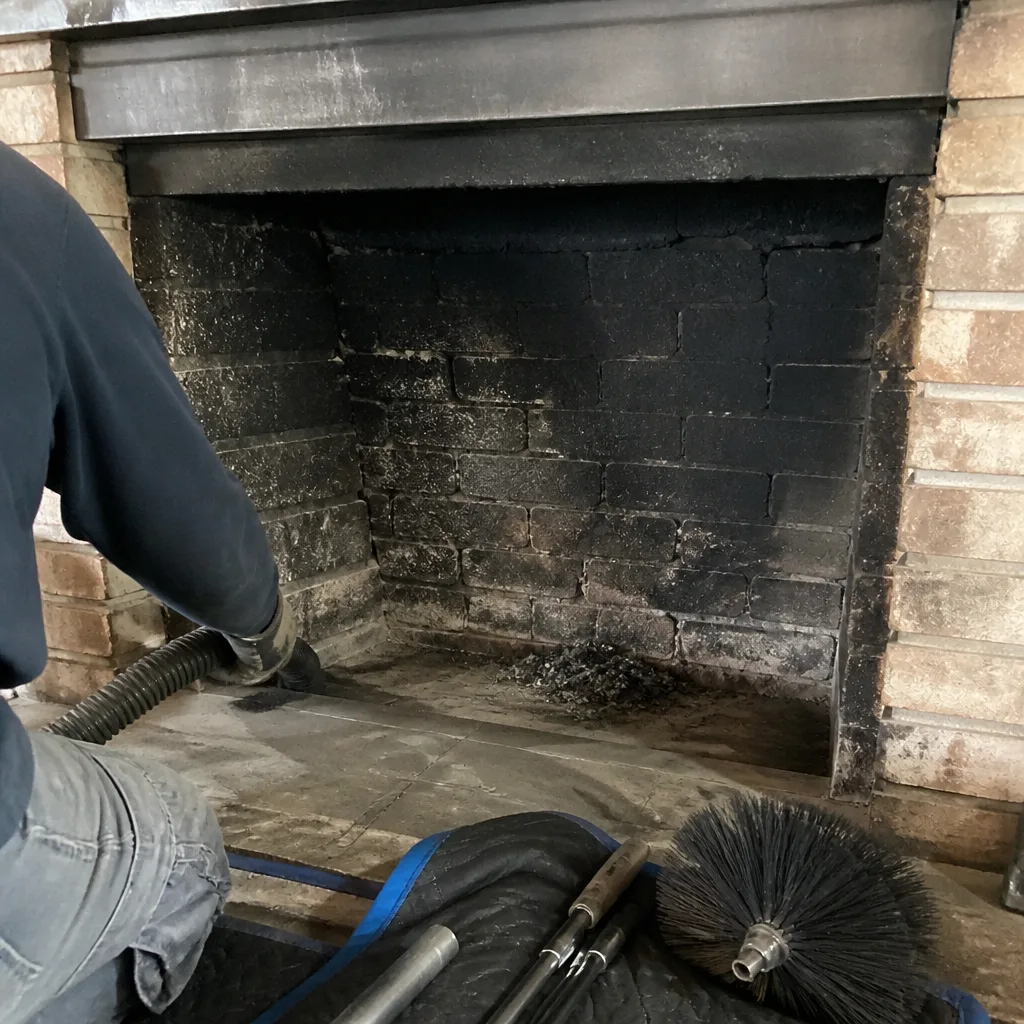 Before
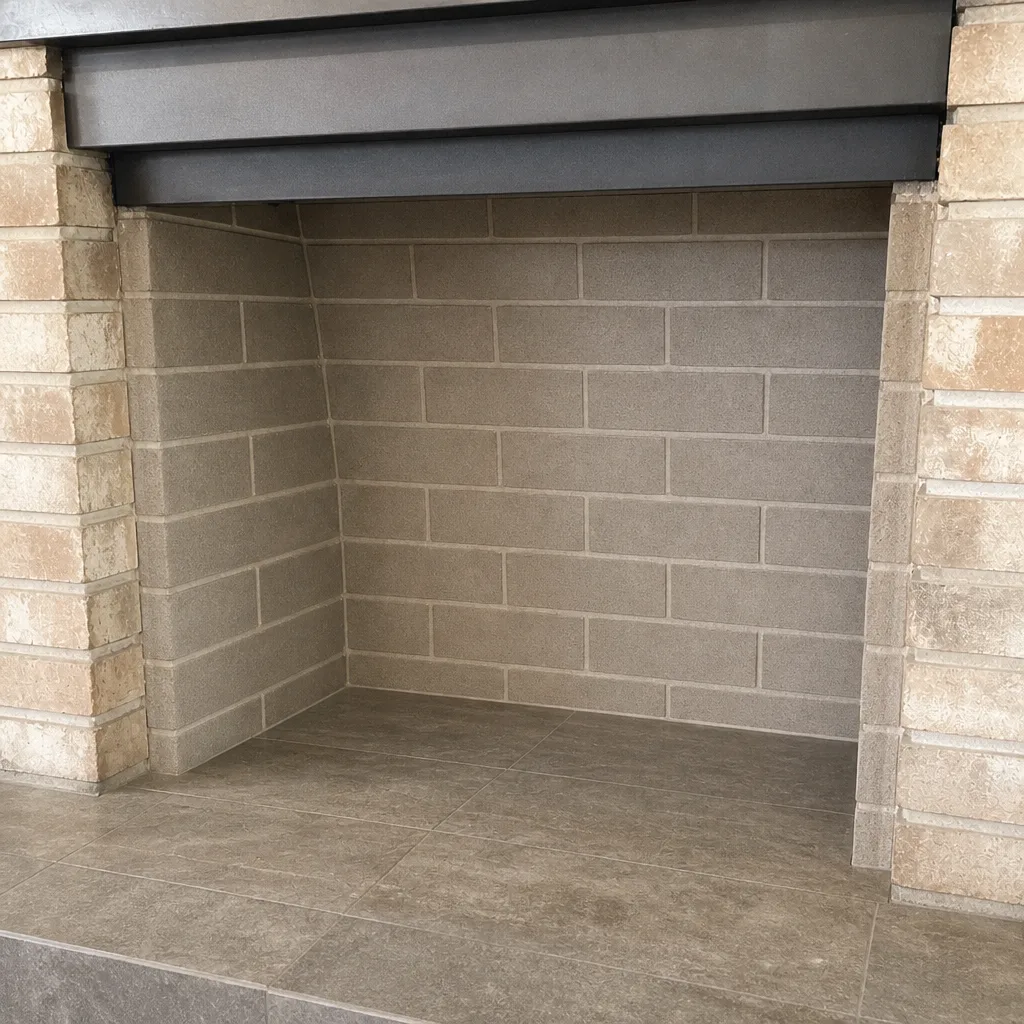 After
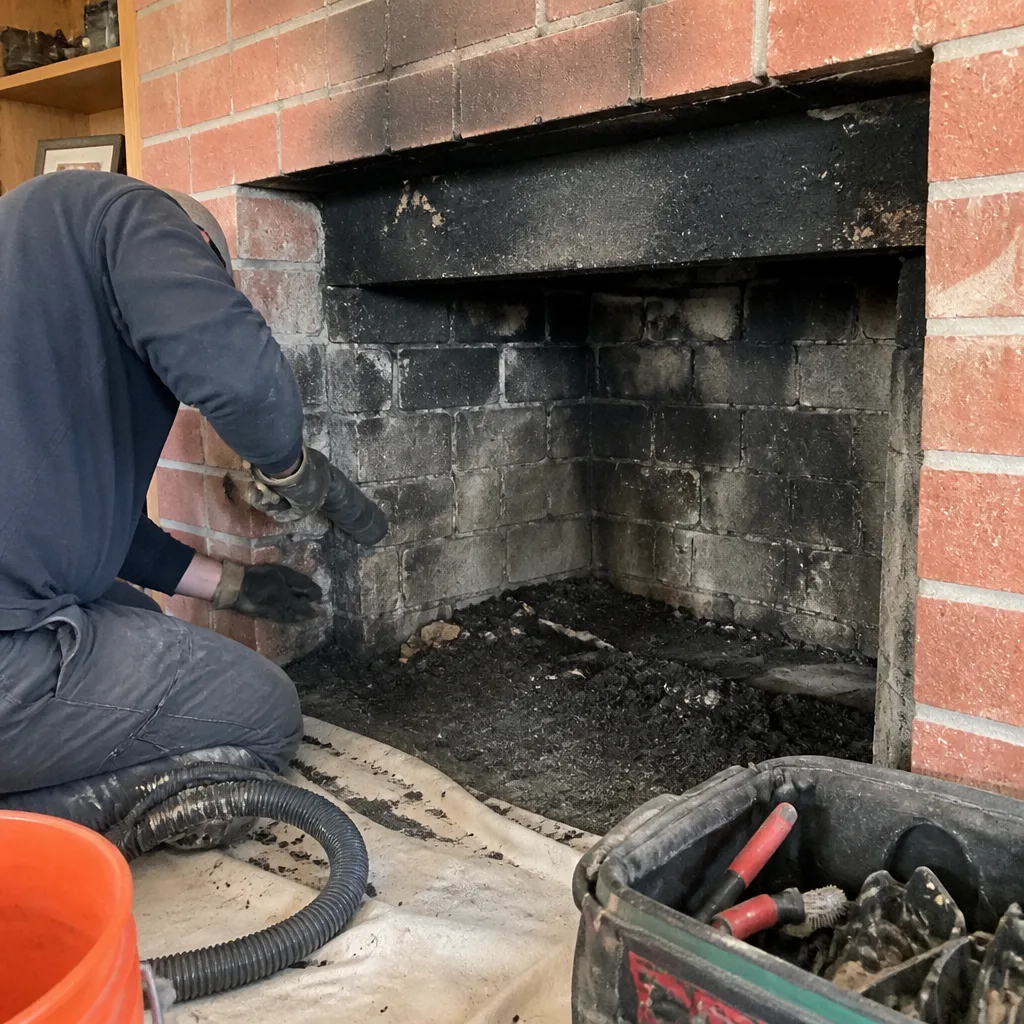 Before
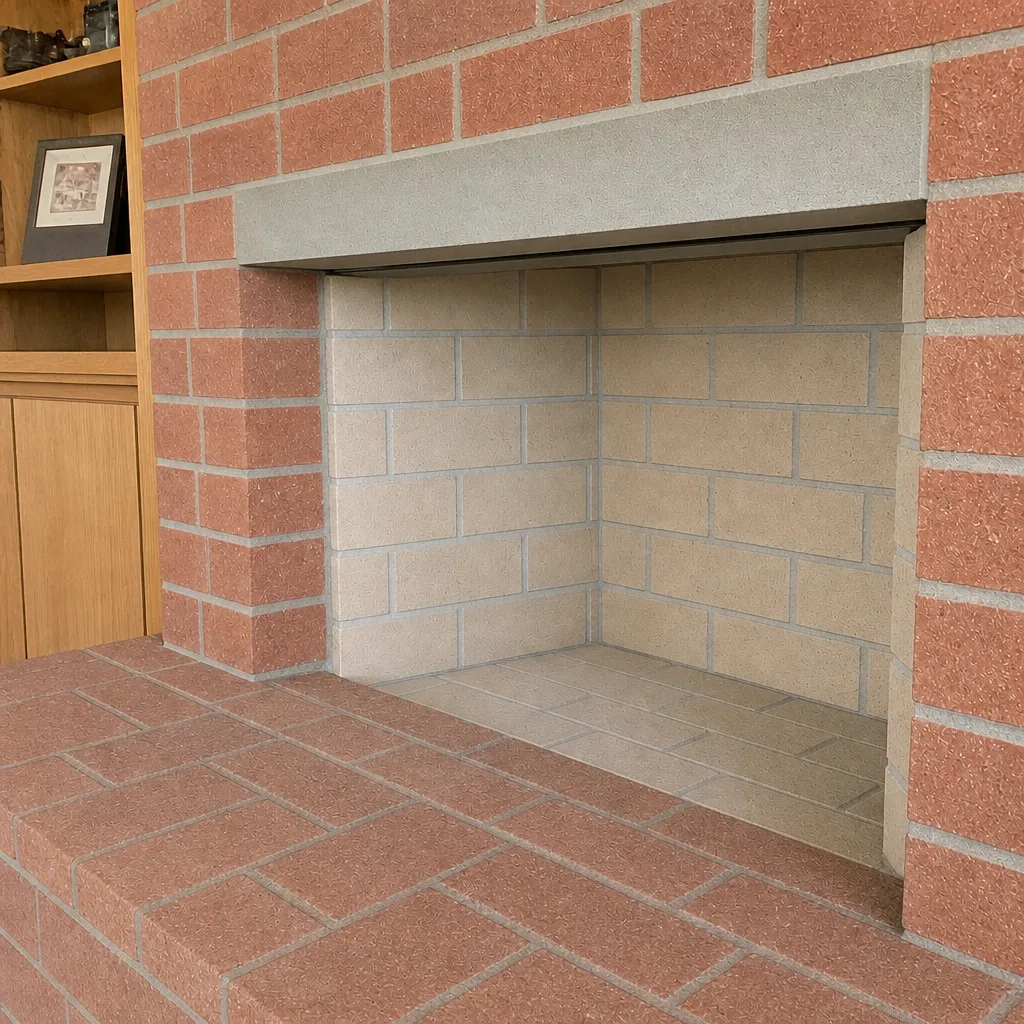 After
HeatShield Products We Service & Install in Nampa
We service and install the HeatShield Firebox Resurfacing System, a castable refractory pour over masonry fireboxes that restores a damaged firebox wall without a full rebuild when the underlying brick is sound. We handle HeatShield Flue Liner Resurfacing, the insulating castable lining restoration used to bring a deteriorated flue lining back to service where the structure supports it. We also work with HeatShield Crown and Smoke Chamber Repair compound, which addresses the crown and smoke chamber areas that take the brunt of heat and moisture, and HeatShield Mortar Failure repair compound, used alongside tuckpointing where joints have opened up. Every one of these gets the same inspection-first approach.
We Also Service These Brands
HeatShield is one tool, not the whole toolbox. We install DuraFlex flexible liner systems for relining jobs that go beyond surface restoration, and we work with Gelco components alongside Olympia Chimney, Famco and Copperfield materials. That multi-brand range means the recommendation follows your chimney’s actual condition rather than whatever system we happen to prefer.
FAQs – HeatShield Chimney Cleaning Service in Nampa
No. Chimney Sweep Nampa is an independent HeatShield service provider. We are not affiliated with, authorized by or sponsored by HeatShield, and we don’t present ourselves as factory representatives. Our recommendations rest on inspection findings and honest repair-versus-relining judgment rather than a manufacturer relationship.
Yes. For HeatShield resurfacing work we buy genuine HeatShield castable refractory and bonding components through authorized distributors, because the system’s cure and thickness specifications depend on the correct material. We don’t substitute a generic refractory cement where those specs matter, and we don’t claim to stock OEM parts on hand.
Most HeatShield jobs span a full working day or more, since proper surface preparation, application and cure time all factor in. Delamination repairs and firebox re-pours take longer than a routine sweep because the substrate has to be corrected first. We’ll give you a realistic window with your written estimate rather than a number pulled from the air.
We cover firebox resurfacing, flue liner resurfacing, crown and smoke chamber repair, and mortar failure repair. That covers the castable refractory work, the insulating lining restoration, and the joint and crown compounds. If you’re not sure which one your chimney needs, the Level 2 inspection answers that before anything gets scheduled.
Properly performed service using genuine HeatShield materials shouldn’t void your warranty, but the terms belong to whomever installed the original system, so ask them directly. What we control is our side: we use correct materials through authorized distributors, follow cure and thickness requirements, and document the condition we found so there’s a clear record of the work.
HeatShield service is priced per job after inspection, because a routine sweep, a delamination repair and a full firebox re-pour are very different scopes of work. The estimate is free, and the written estimate sets the final price. Call (888) 854-6163 for an exact quote – estimates are free.
It depends on the condition of the firebrick. HeatShield resurfacing can go over existing firebrick when the masonry is structurally sound and the surface can be properly prepared. If the firebrick is deeply spalled or the flue has lost structural integrity, resurfacing won’t hold and a rebuild or reline is the correct answer. A Level 2 inspection with camera is how we tell the difference.
Flaking and gritty residue usually mean the castable layer never bonded properly, most often because it was applied over soot, oil or moisture-soaked masonry. Thermal cycling then opens the bond and the surface delaminates. It can also come from a pour that cured too thin at the throat. Either way it needs to be inspected before it’s re-poured.
A Level 2 inspection tells you. Cleaning removes creosote and debris; resurfacing restores damaged refractory material. If your firebox walls are crumbling, flaking or showing cracks that reach the masonry, cleaning alone won’t fix it. We show you the camera findings and explain which category your chimney falls into.
Warranty coverage depends on the terms of the original installation and the material used, not on our authorization status. Using genuine HeatShield materials through authorized distributors and following the system’s cure and thickness requirements is what protects the finished work. We document everything so there’s a clear record if a warranty question comes up later.
Not on its own. A firebox pour addresses the firebox. Crown and smoke chamber damage needs the HeatShield crown and smoke chamber repair compound, applied as a separate step. We assess all three areas in the same inspection so the repair covers what’s actually damaged instead of leaving cracks unaddressed above the firebox.
If you’re not sure what your chimney needs, that’s exactly what the inspection is for. Call (888) 854-6163. We answer 24/7. Fast dispatch from 7am to 7pm, Sunday through Friday.
Book Your HeatShield Service in Nampa, ID
Whether you’re seeing flaking in the firebox, planning a pour on an older masonry chimney, or you just want a straight answer on whether resurfacing is worth it, start with an inspection. The estimate is free, nothing gets recommended without camera evidence you can see, and we’ll tell you when work can safely wait. Call (888) 854-6163 to book HeatShield service in Nampa. We answer 24/7. Fast dispatch from 7am to 7pm, Sunday through Friday.
Written by the team at Chimney Sweep Nampa.