
Last updated November 15, 2026
 Sweep & inspection
 Caps & crowns
 Flue relining
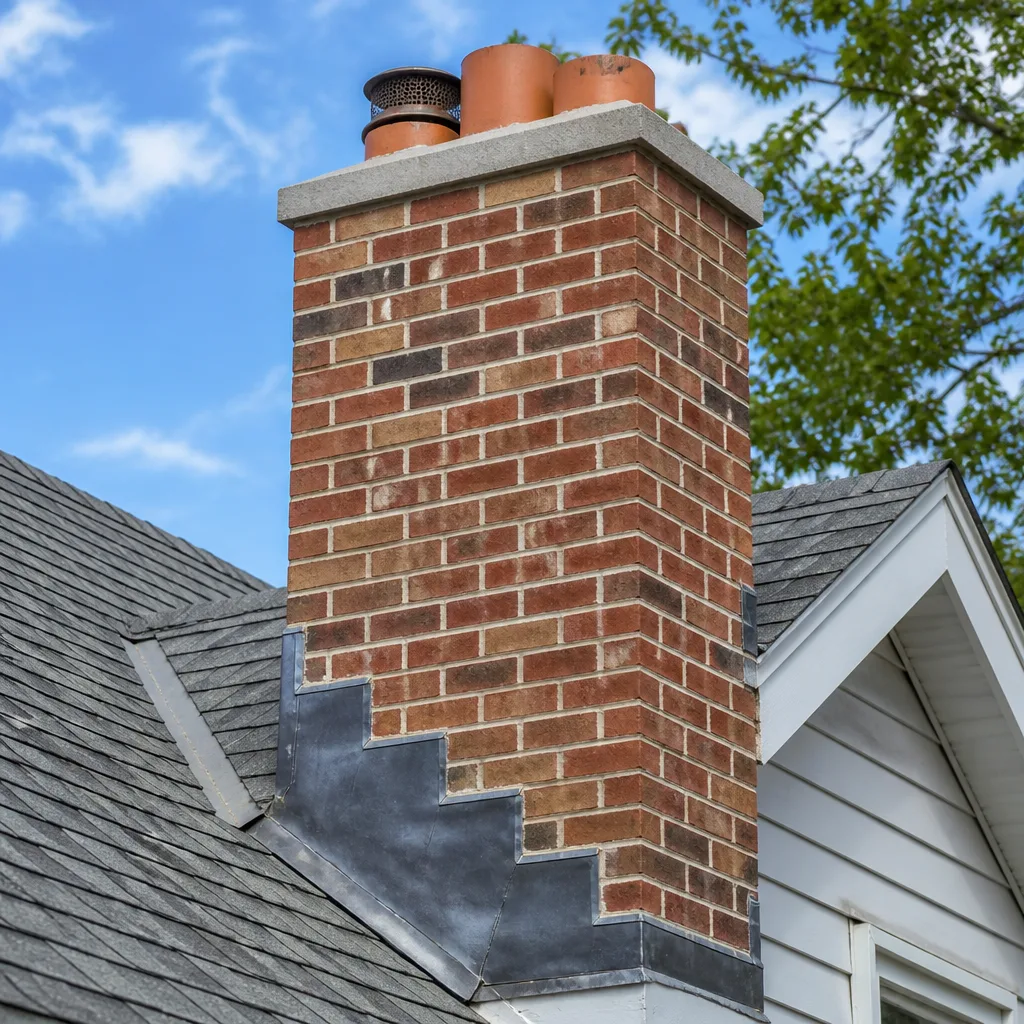 Masonry repair
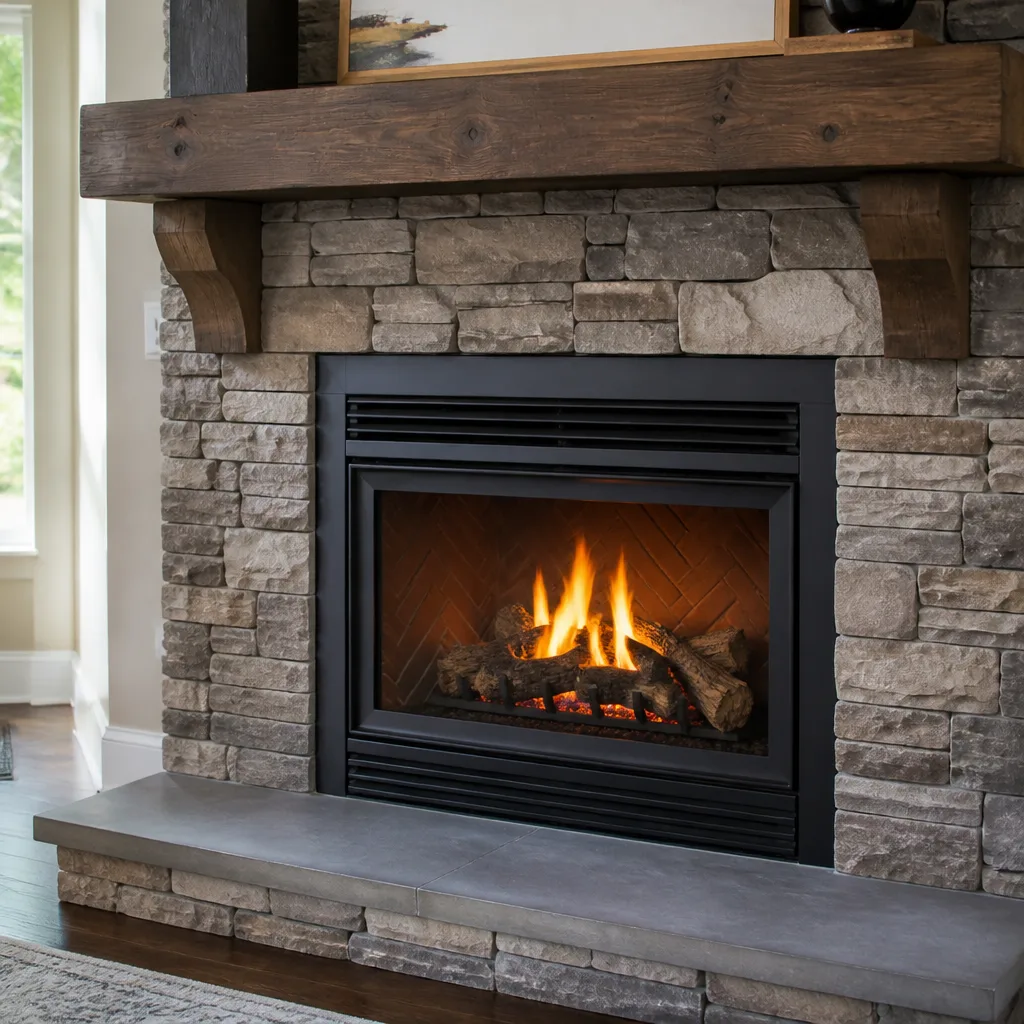 Gas fireplace service
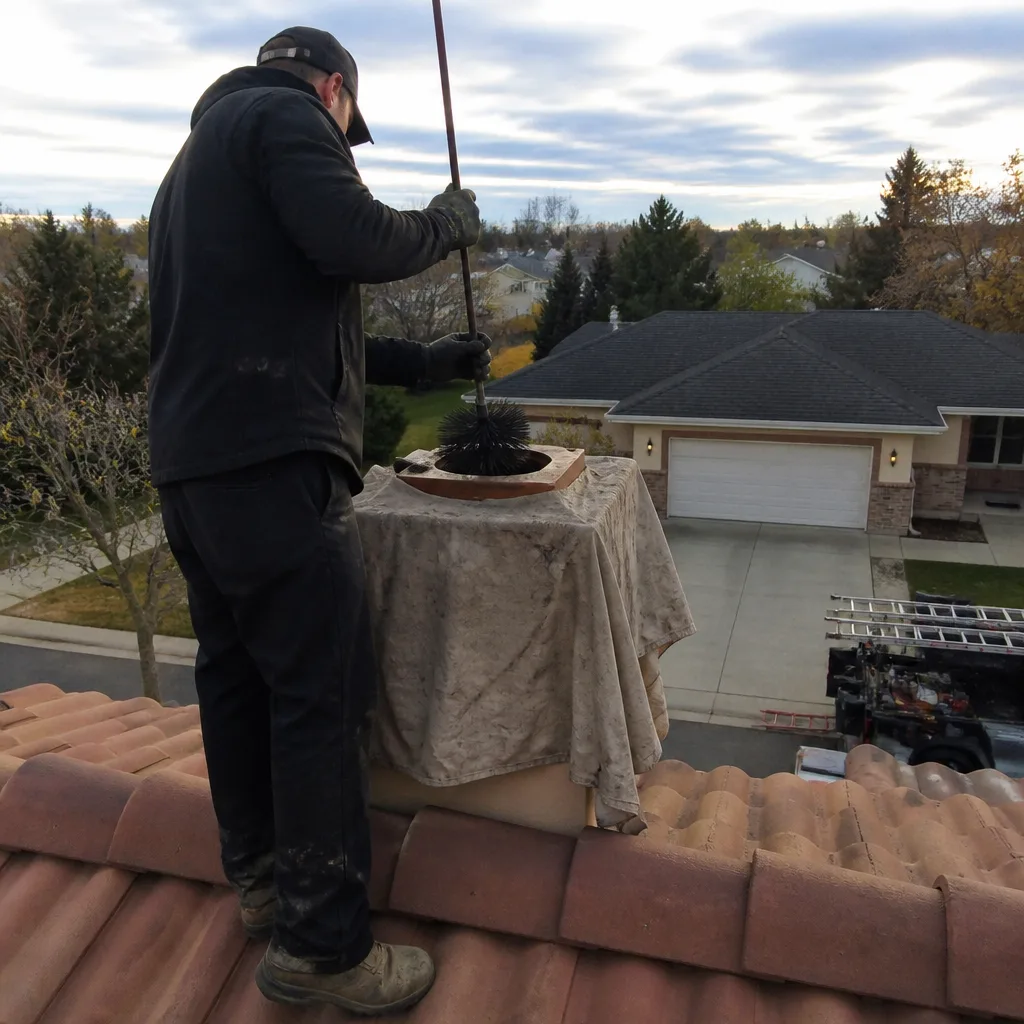
Level 1 sweep and inspection to the NFPA 211 annual standard - flue, crown, cap, and flashing checked and photographed
Chimney sweep logs do not sweep chimneys. They loosen some creosote - which then falls where a brush and vacuum still have to collect it.
The Complete Guide to Chimney Cleaning in Nampa
Most chimney fires don’t start in neglected chimneys. They start in chimneys that were “cleaned” without anyone addressing the glazed, tar-hard creosote a basic brush can’t touch. That’s the part most homeowners never hear about. A sweep runs a brush down the flue, the chimney looks better, and everyone assumes the job is done. But in a high desert town with long cold snaps and a lot of locally cut pine going into wood stoves, the deposits that cause trouble are often the ones a nylon brush slides right past. In this guide, we’ll walk through what Nampa chimneys actually face, the three creosote stages and the method each one needs, what the different inspection levels mean, and what a complete cleaning should include from firebox to cap. By the end, you’ll know exactly what to ask for and what a real cleaning looks like.
Quick Answer
Chimney cleaning in Nampa means removing soot, ash, and creosote from the flue and firebox, then inspecting the whole system so you know it’s safe to burn again. A proper cleaning goes beyond the flue to include the firebox, smoke shelf, damper, and cap, and it should come with an honest inspection that tells you what condition the chimney is in. If your chimney has glazed or hardened creosote, a standard brush sweep isn’t enough, and that’s where a specialist matters.
Styles & brands we work with
- Sweep & inspection
- Caps & crowns
- Flue relining
- Masonry repair
- Gas fireplace service
Table of Contents
- Why Chimney Cleaning Matters More in Nampa
- The Three Stages of Creosote and What Removes Each One
- Level 1, 2, and 3 Inspections: What Each One Means
- How Local Fuel Affects Your Chimney
- What a Complete Cleaning Actually Includes
- How Often Should You Clean Your Chimney in Nampa?
- Common Mistakes to Avoid
- When to Call a Professional
Why Chimney Cleaning Matters More in Nampa
Nampa sits in the Treasure Valley at roughly 2,500 feet, in high desert country where the burn season is long and the temperature swings are sharp. That combination matters for your chimney in ways a generic guide won’t tell you. Cold snaps hit fast here, and when they do, homeowners burn hotter and longer. A hot fire followed by a quick cooldown, followed by another hot fire, creates the kind of temperature cycling that pushes creosote to condense and harden faster than it would in a milder climate.
The high desert air is dry, but the flue isn’t. Wood that’s been sitting in a Treasure Valley yard through a wet spring can hold more moisture than it looks like it does from the outside. Wet wood burns cooler and smokier, and cool smoke is exactly what lays down creosote on the flue walls. Add the inversion layers that settle over the valley in winter, which can slow draft and let smoke linger in the flue, and you have a climate that quietly builds up deposits season after season.
This is the practical reason chimney sweep Nampa work isn’t a once-and-done chore you can put off indefinitely. The buildup happens whether or not you notice it. What you can control is catching it before it reaches the stage where a brush can’t help.
Our technicians have up to 9 years of experience reading exactly this kind of buildup, and the pattern is consistent: chimneys here rarely fail because someone neglected them for a decade. They fail because the cleaning addressed the soot and left the hard creosote behind.
The Three Stages of Creosote and What Removes Each One
This is the single most important thing to understand about chimney cleaning, and it’s the part most homeowners never get explained. Creosote doesn’t form in one state. It moves through three distinct stages, and each stage responds to a different method. A brush that works on stage one does nothing on stage three.
- Stage 1 – Sooty, flaky creosote. This is the light, powdery, or flaky deposit that builds up first. It’s the easiest to remove and a standard chimney brush handles it well. Most annual cleanings are dealing primarily with stage one.
- Stage 2 – Crusty, hardened creosote. As deposits build and reheats, stage one creosote turns into a crusty, brittle layer that clings to the flue. A brush alone leaves chunks behind. This stage usually needs mechanical tools and more careful work to clear without damaging the flue.
- Stage 3 – Glazed, tar-like creosote. This is the dangerous one. It’s shiny, hard, and looks almost like glass or tar. It’s highly flammable, and a standard brush will skip right over it. Removing it takes specialized methods, sometimes chemical treatment, and it’s often the root cause of a chimney fire.
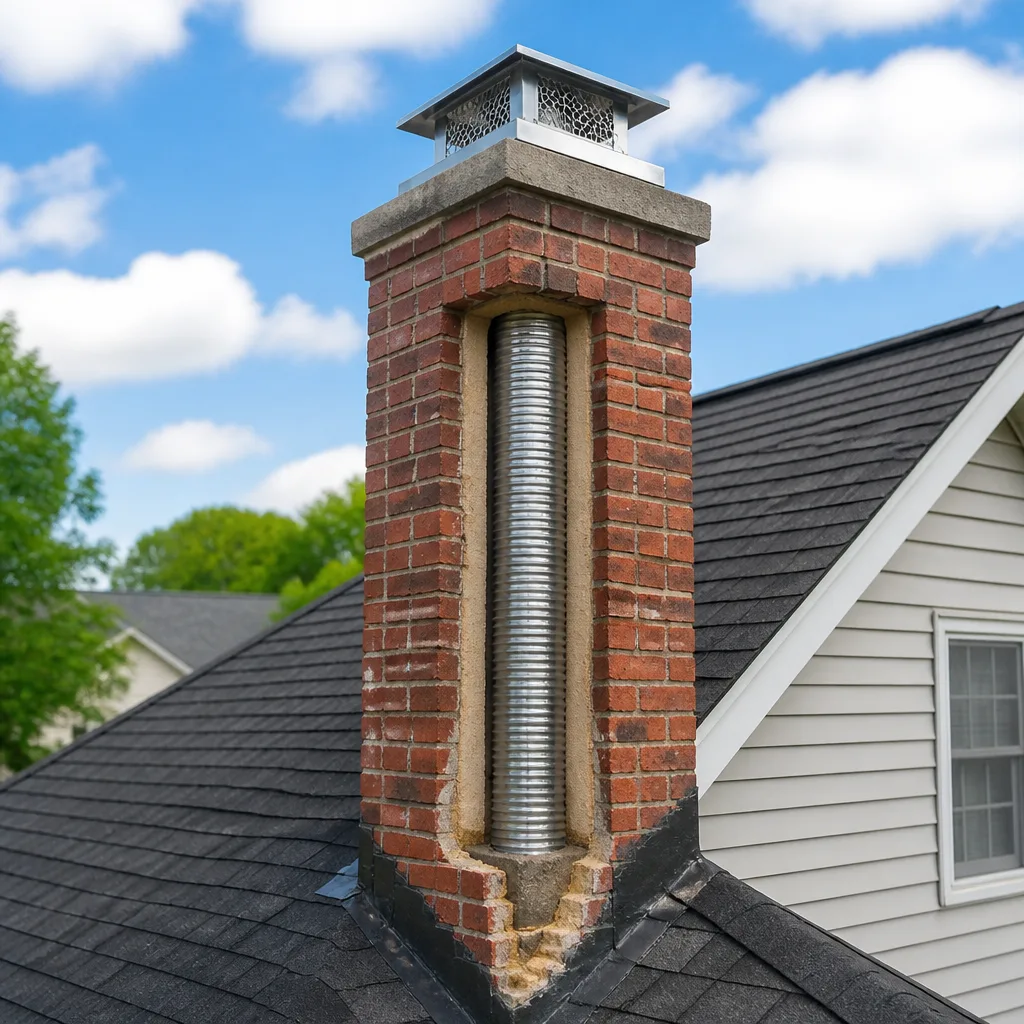
Here’s the point that ties back to our opening: a basic sweep that clears stage one and stops is not a complete cleaning if stage two or three is present. A proper inspection should tell you which stage you’re dealing with and whether the cleaning method matched it. When glazed creosote has damaged the flue, that’s where repair enters the conversation, and it’s the kind of work a specialist handles rather than a general handyman. We install DuraFlex flexible liner systems for relining and offer HeatShield ceramic flue resurfacing, which restores a flue that standard sweeping companies can’t fix on their own.
Level 1, 2, and 3 Inspections: What Each One Means
A cleaning and an inspection are two different things, and knowing which inspection you’re getting matters. The chimney industry recognizes three levels, and which one you need depends on what’s changed with your system.
Level 1 Inspection
This is the standard inspection that comes with a routine annual cleaning. It’s a visual check of the readily accessible parts of the chimney and venting system: the firebox, damper, flue from the access point, and the cap. If your system hasn’t changed and you’re just staying on top of maintenance, this is usually all you need.
Level 2 Inspection
A Level 2 goes further. It’s warranted any time something about the system has changed: you’ve moved into a home, changed the fuel type, added or replaced an appliance, had a chimney fire, or had an event like a storm. It includes the Level 1 visual check plus a closer look at accessible portions, often with a camera, and inspection of the attic, crawl space, and other concealed areas where the venting passes through. If you’re buying a home in Nampa or just bought one, this is the level to ask for.
Level 3 Inspection
A Level 3 is the most involved and is used when a serious hazard is suspected and access to concealed areas is required. That can mean removing parts of the chimney or building to get a proper look. It’s not a routine inspection and only happens when there’s a specific reason to go that far.
After a cleaning, a Level 1 is the norm. The value is in a technician who will tell you plainly which level applies and why, rather than selling you the most expensive option by default. We tell you what we find, and if a repair can safely wait until next season, we’ll say so.
How Local Fuel Affects Your Chimney
What you burn shapes what builds up. In the Treasure Valley, a lot of homeowners burn locally cut pine and mixed hardwood, and each behaves differently in the flue.
Pine is a softwood and burns hot and fast, and it produces more creosote than denser hardwoods when it’s not fully seasoned. It’s also plentiful and affordable around here, which is exactly why it ends up in so many Nampa wood stoves. Mixed hardwood is slower-burning and can be cleaner, but only if it’s properly dried. The catch with any locally sourced wood is the moisture content. Wood that’s cut and stacked for a short time still holds a lot of water, and wet wood is the number one contributor to fast creosote buildup.
If you’re burning pine or a hardwood mix from around the valley, the practical takeaway is this: the condition of your wood matters as much as the type. Seasoned wood burns cleaner and leaves less behind. If your wood is on the greener side, expect deposits to build faster, which means you should think about more frequent cleanings than someone burning dry, well-seasoned hardwood.
- Burn dry, seasoned wood whenever you can; moisture is the real culprit, not the species alone.
- Don’t overload the firebox with wet wood to get a longer burn; it costs you in creosote.
- Avoid burning household trash, cardboard, or treated scraps, which add deposits and can damage the flue.
- Keep an eye on how fast soot and creosote return; that tells you a lot about your fuel and your draft.
What a Complete Cleaning Actually Includes
A flue brush down the chimney is only part of the job. A complete cleaning covers the whole system, and knowing what’s included helps you tell a thorough job from a quick one.
- The flue. The main passage, brushed and cleared of soot and any creosote that the tools can safely remove.
- The firebox. The firebox itself is cleaned of ash and buildup, not left as-is.
- The smoke shelf. This ledge just behind the damper collects soot and debris and is easy to overlook. A complete cleaning clears it.
- The damper. The damper is checked to make sure it opens, closes, and seals properly.
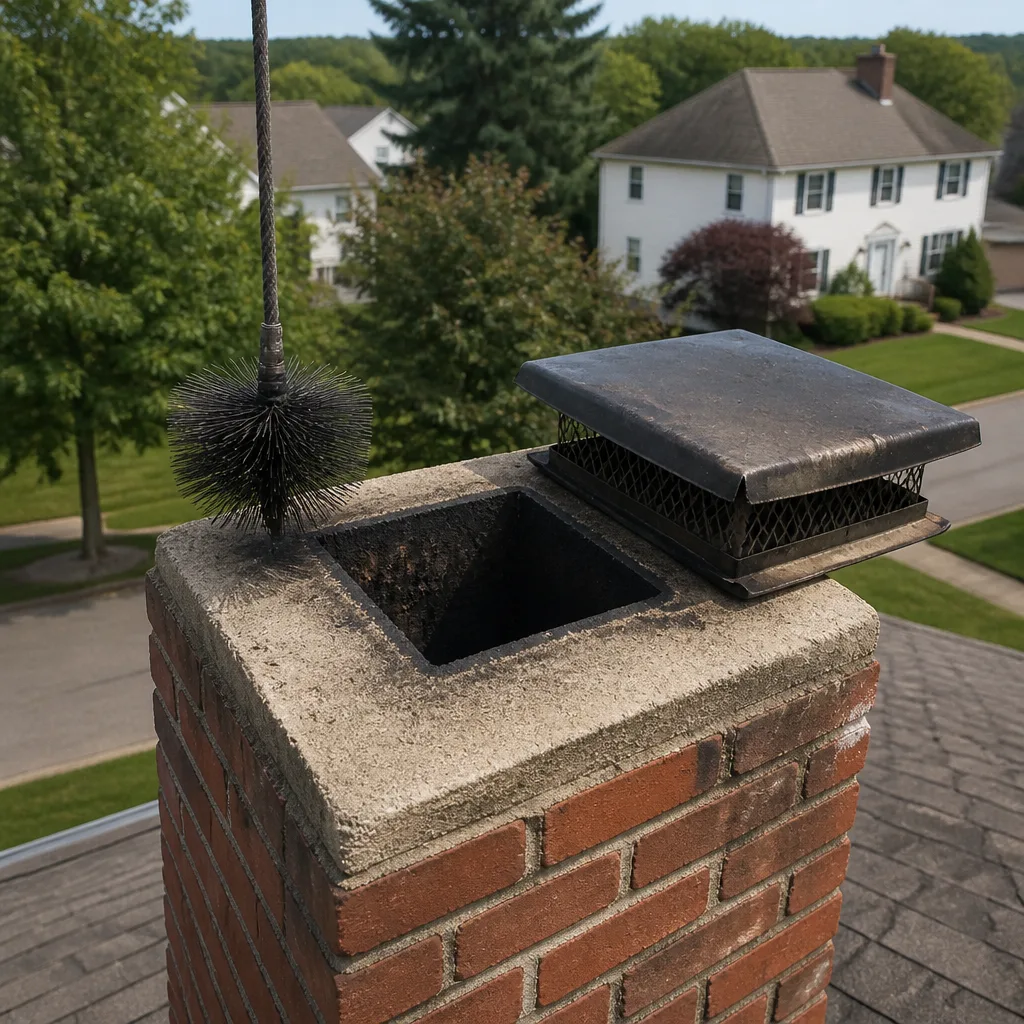
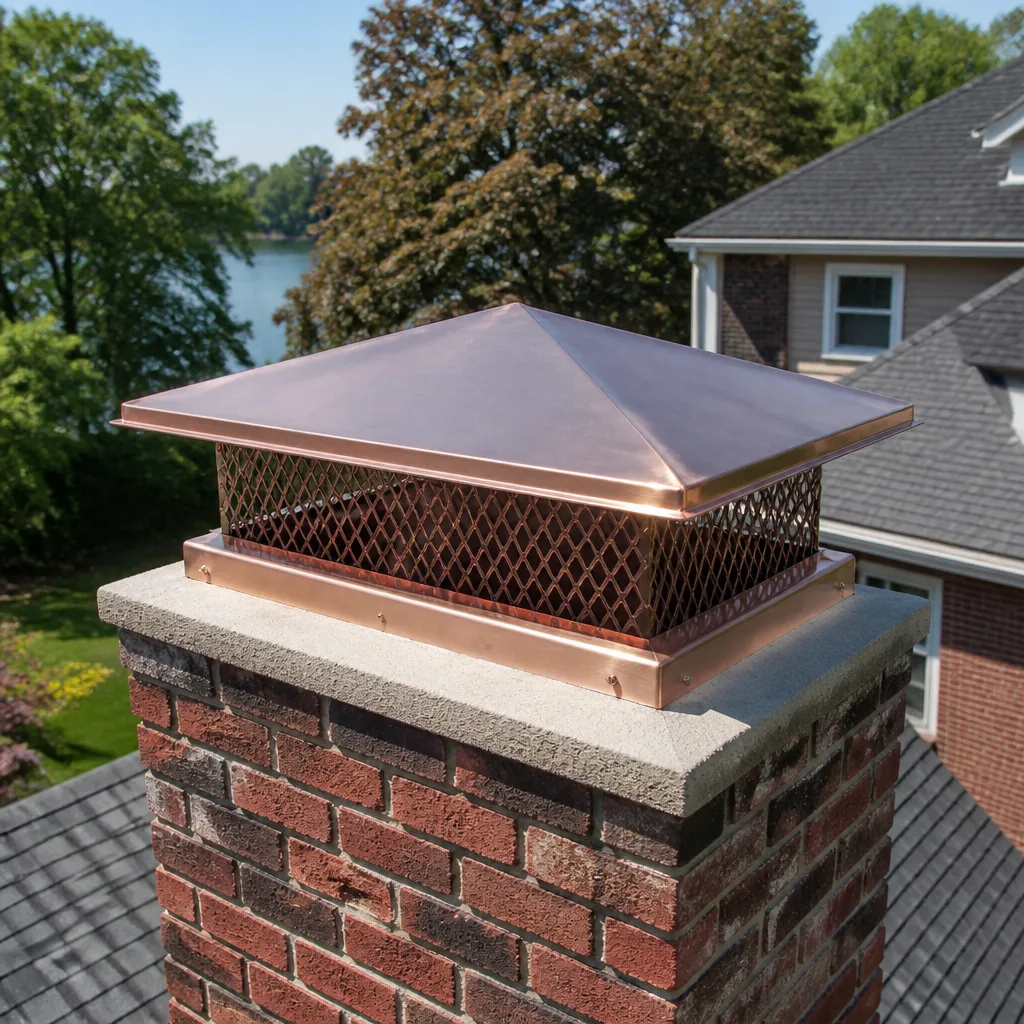
- The chimney cap. The cap is inspected for damage, blockages, and animal nests, and its condition is reported to you.
Throughout, the technician should protect your home with drop cloths and a proper vacuum setup so soot stays in the chimney, not on your floor. At the end, you should get a clear report of what was found and what it means. If a repair is needed, the materials matter: we use professional-grade components from brands like Olympia Chimney and Famco, the same kinds of parts professional associations supply to certified technicians. And because we handle the full scope, from sweeping to repair to dryer vent cleaning, you’re not sourcing a second contractor partway through.
How Often Should You Clean Your Chimney in Nampa?
For most Nampa homeowners who burn wood regularly, an annual cleaning is the baseline. The chimney industry’s general guidance is to have the chimney inspected and cleaned as needed once a year, and more often if you burn heavily. Because the burn season here is long, “annually” often means once before you start burning in the fall.
Your actual interval depends on a few things:
- How much you burn. A wood stove used as primary heat needs more frequent cleaning than a fireplace used a few times a month.
- What you burn. Wet or resinous wood builds creosote faster.
- What your last inspection found. If stage two or three creosote was present, you may need to check sooner.
- Whether anything changed. A new appliance, a fuel change, or a move into a new home means a Level 2 inspection.
The honest answer is that there’s no single number that fits every chimney. A gas insert that sees light use is a different story from a wood stove running all winter. That’s why a proper inspection matters more than a calendar. Call (888) 854-6163 for an exact assessment; estimates are free.
See the difference
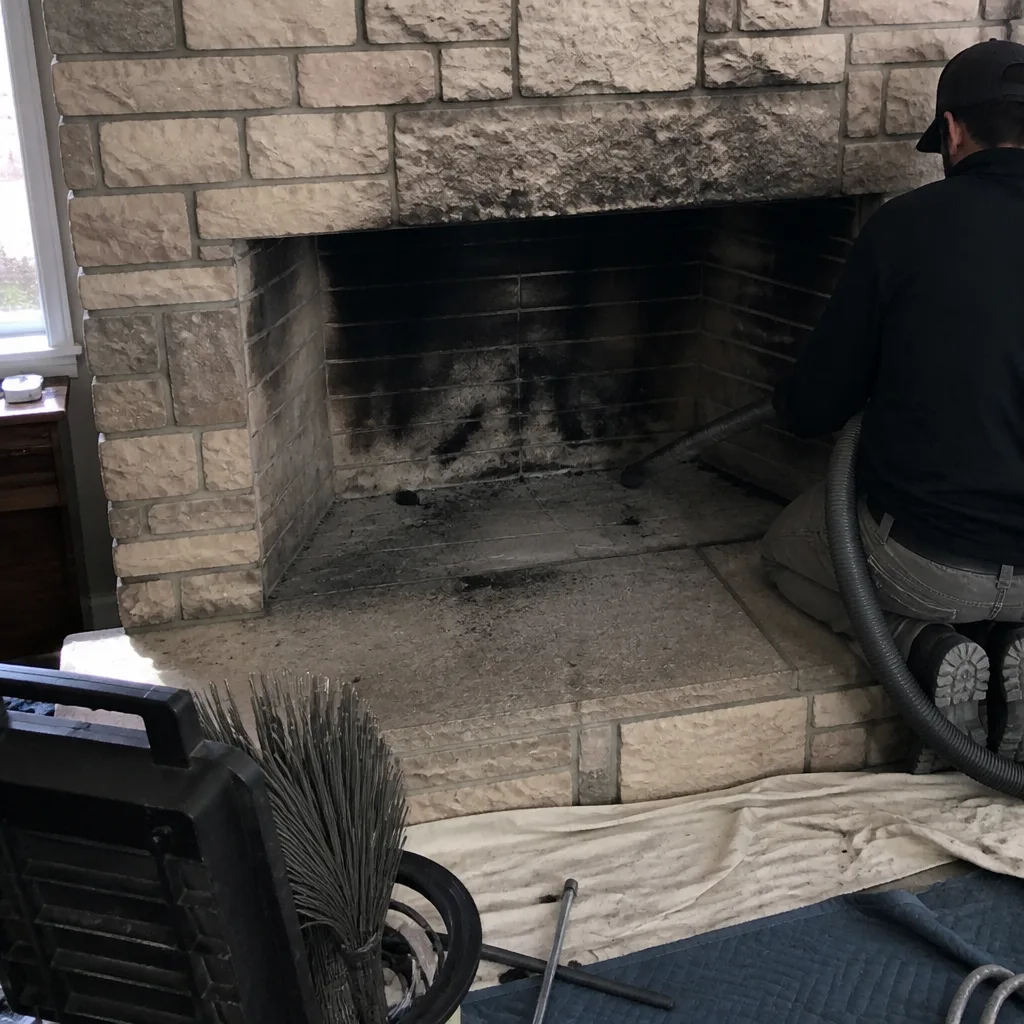 Before
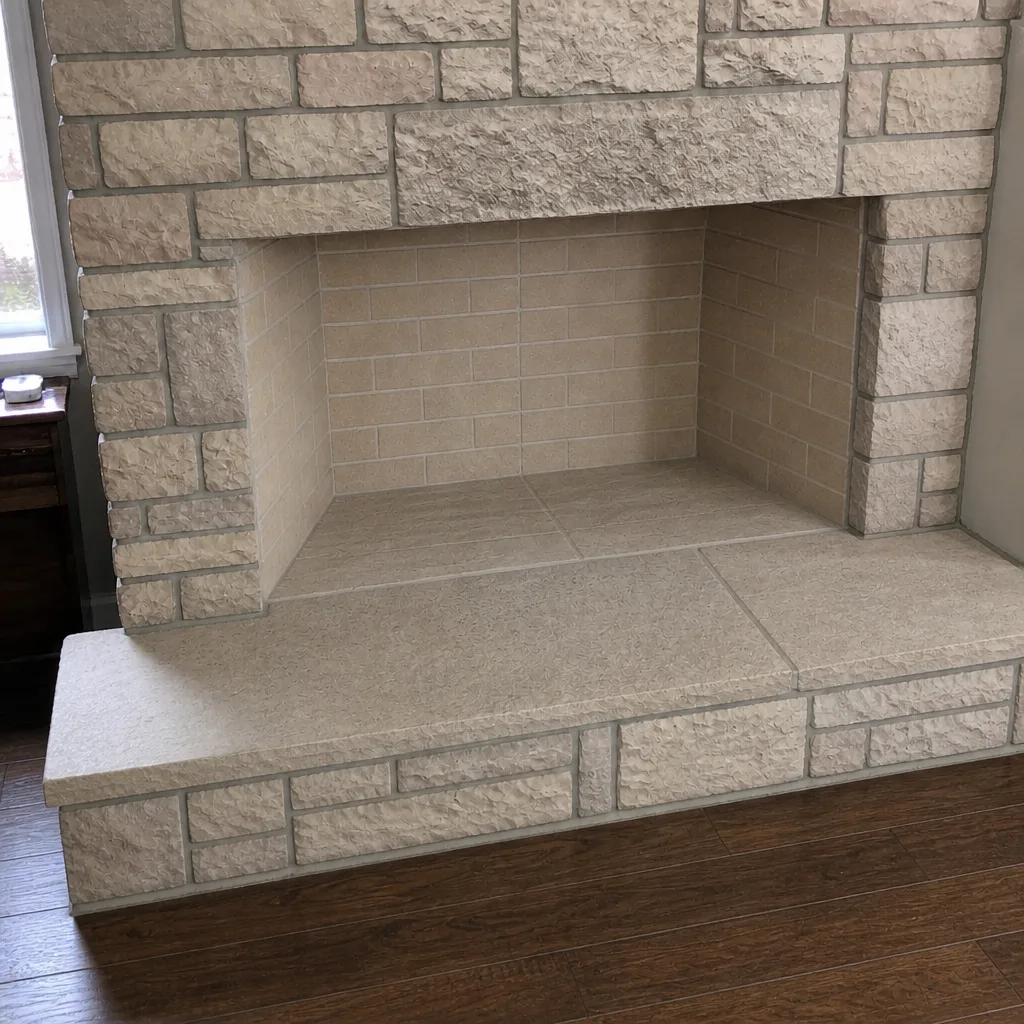 After
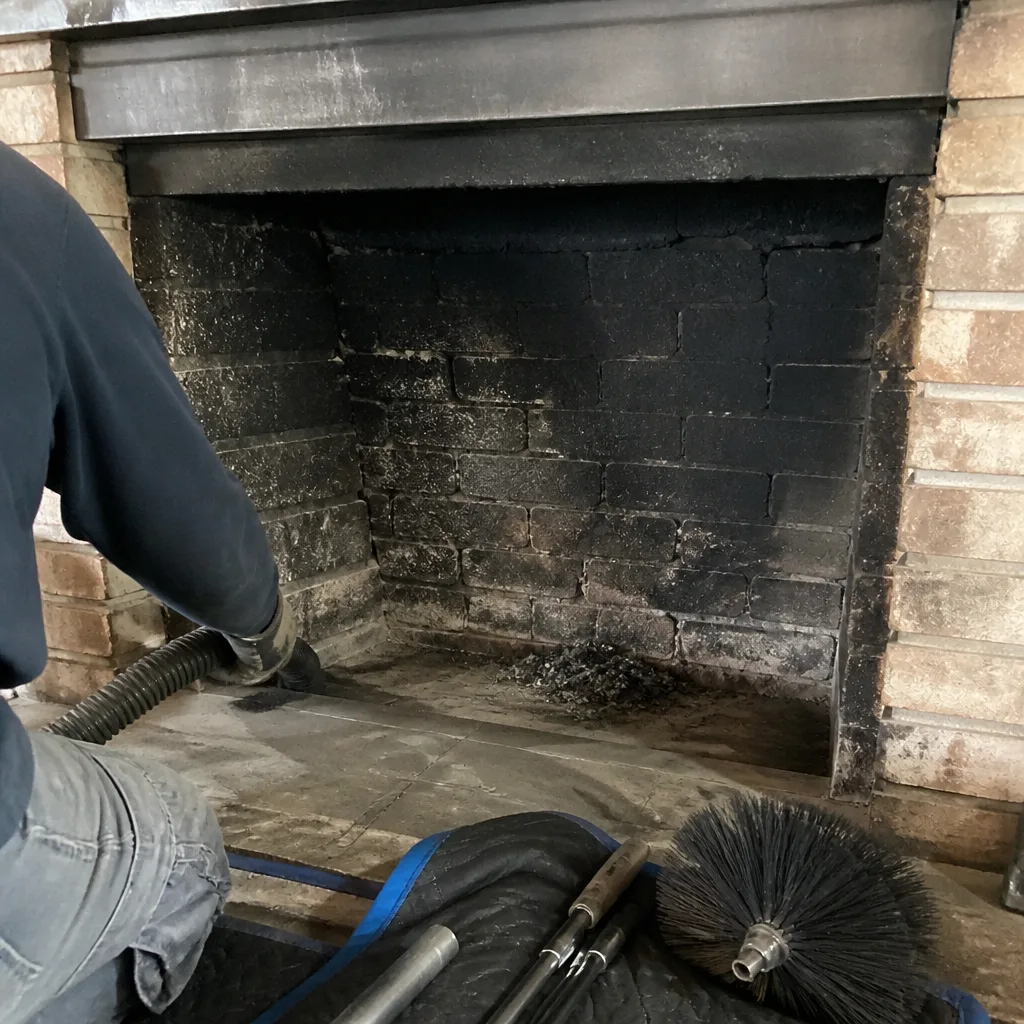 Before
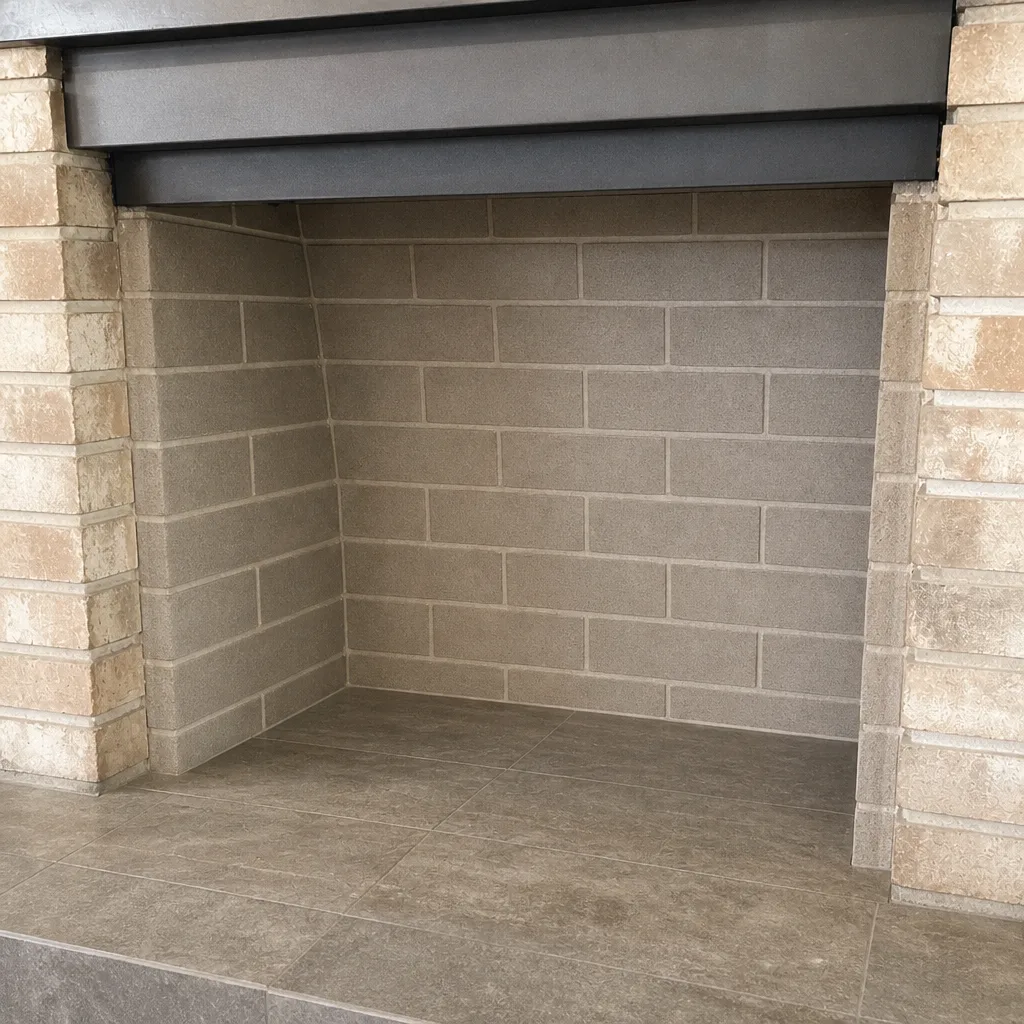 After
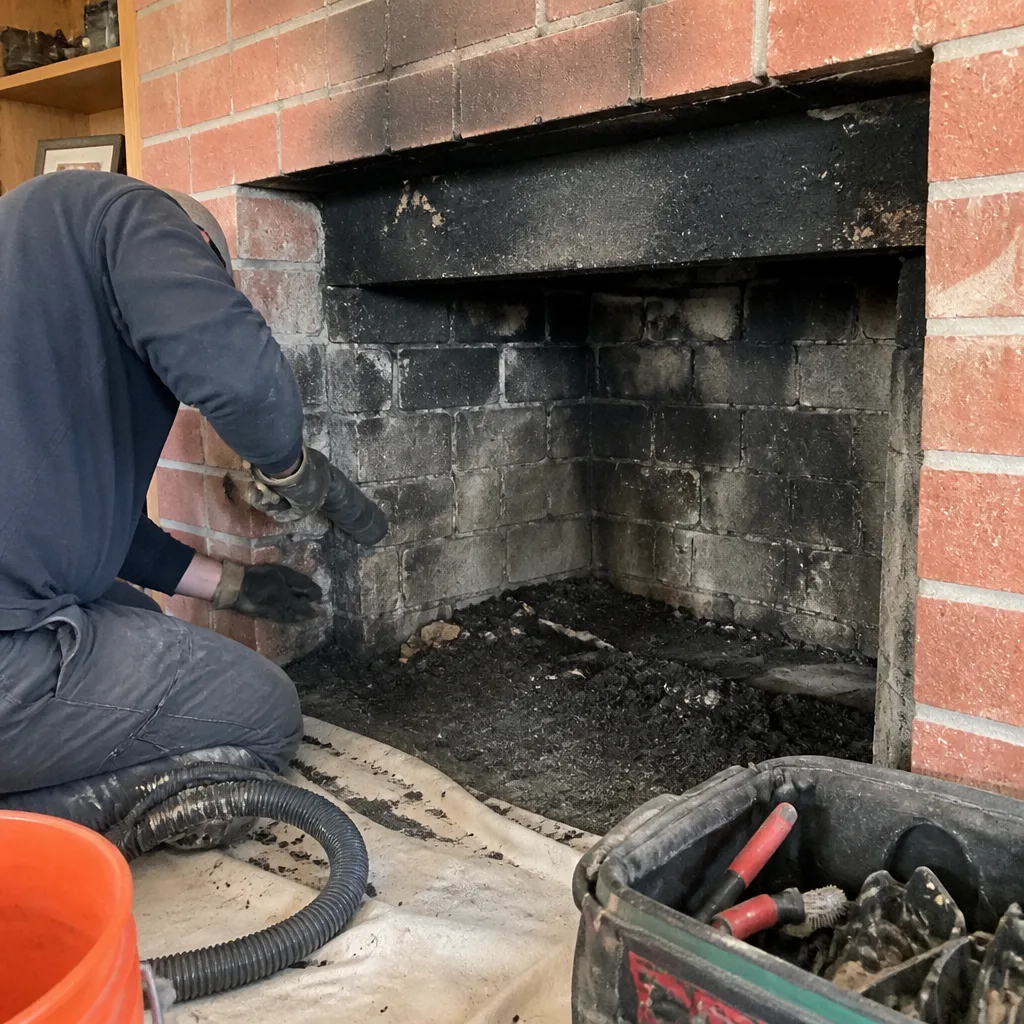 Before
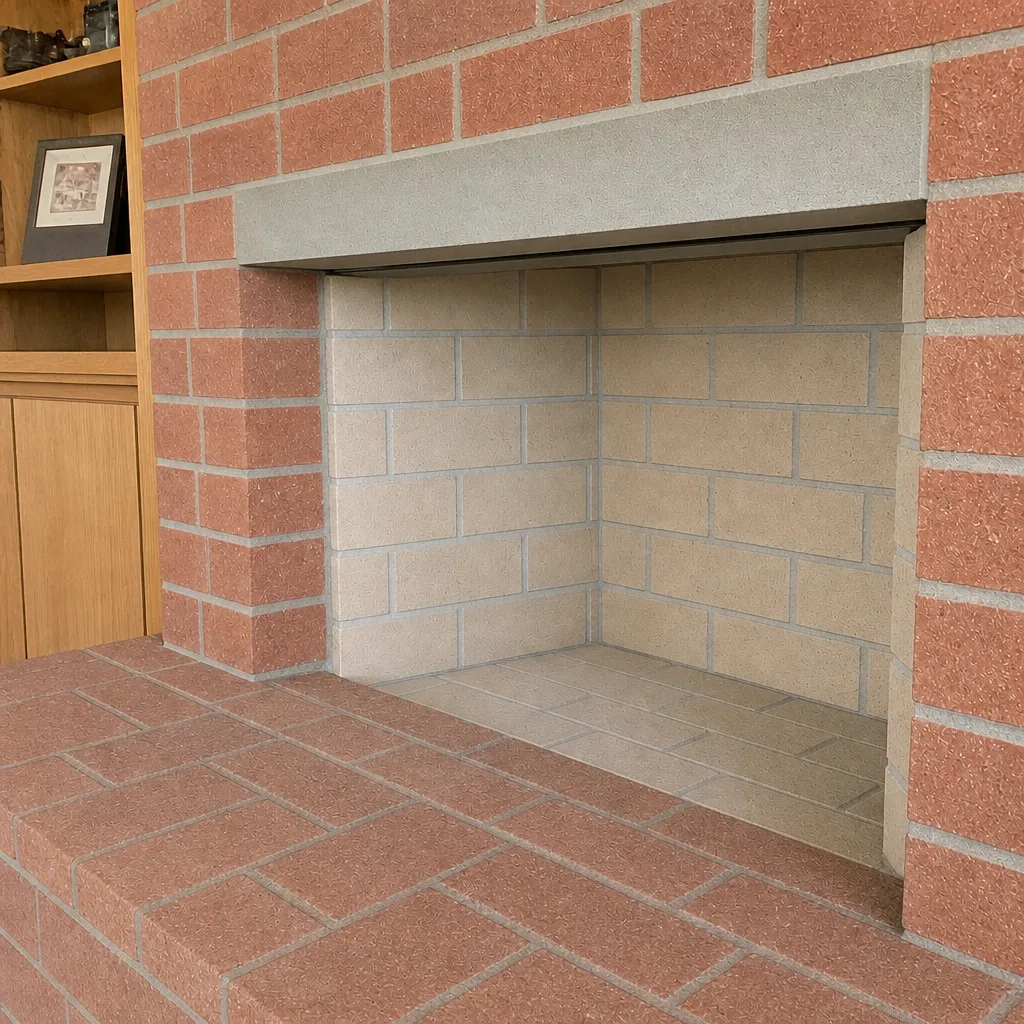 After
Common Mistakes to Avoid
- Assuming a quick brush sweep is a full cleaning. If the technician cleared the soot and left glazed creosote behind, the dangerous deposit is still there. Ask which creosote stage was found and how it was addressed.
- Burning wet or green wood to stretch your supply. In the Treasure Valley, where locally cut pine is common, moisture is the biggest driver of fast buildup. Season your wood and you’ll clean less often.
- Skipping the smoke shelf and cap. These get overlooked in a rushed job, and the cap in particular can collect nests and debris that block draft. A complete cleaning covers both.
- Skipping the inspection because the fire “looks fine.” The problems a Level 2 inspection finds are usually the ones you can’t see from the firebox. If you just bought a home in Nampa, don’t assume the previous owner’s cleaning was thorough.
- Letting a general handyman handle flue repair. Relining and resurfacing are specialist work. When glazed creosote has damaged the flue, that’s a job for someone who works with proper liner systems and restoration methods, not a generalist.
- Forgetting the dryer vent. A clogged dryer vent is a separate fire risk in the same home. Since the same exhaust-safety mindset applies to both, it makes sense to have the chimney sweep check both while they’re there.
- Waiting for a problem before booking. A cleaning you schedule on your own terms is far easier than one forced by a draft problem in the middle of a cold snap. Book before burn season, not during it.
When to Call a Professional
Some situations clearly call for a specialist rather than a DIY attempt. Call a professional if you smell a strong creosote odor, notice smoke backing into the room, see glazed or tar-like creosote on the flue walls, or haven’t had the chimney inspected in over a year. Call if you’ve had a chimney fire, even a small one, if you’ve changed fuel type or added an appliance, or if you’re buying a home and want a Level 2 inspection before you close. And call if your last “cleaning” was quick and you’re not sure what was actually removed. Chimney Sweep Nampa offers free estimates in Nampa; call (888) 854-6163. We answer 24/7, with fast dispatch from 7am to 7pm, Sunday through Friday.
Frequently Asked Questions
The cost depends on the condition of your chimney, whether glazed creosote or repairs are involved, and which inspection level applies. We set every price per job with a written estimate, so you know the number before any work starts, and the estimate is free. Call (888) 854-6163 for an exact quote; estimates are free.
Glazed creosote is the third and most dangerous stage of creosote, a hard, tar-like, highly flammable deposit that a standard brush can’t remove. It matters because it’s a leading contributor to chimney fires, and a cleaning that doesn’t address it isn’t a complete cleaning. If an inspection finds it, the right fix may involve specialist removal or flue repair. Call (888) 854-6163 and we’ll tell you what we find.
For most wood-burning homeowners, once a year is the baseline, and more often if you burn heavily or use wet wood. Nampa’s long burn season and locally cut pine can push buildup faster, so the right interval depends on what your inspection shows. Call (888) 854-6163 for an assessment; estimates are free.
A cleaning removes soot, ash, and creosote, while an inspection evaluates the condition of the whole system and tells you what needs attention. You can have a cleaning without a thorough inspection, and that’s where problems get missed. Ask which inspection level applies to your situation. Call (888) 854-6163 for an exact quote; estimates are free.
Yes, a Level 2 inspection is generally warranted when you move into a new home or the system has changed, because it looks at concealed areas a basic check skips. It’s the level that catches problems the previous owner may not have known about. Call (888) 854-6163 to book one; estimates are free.
Yes, we handle dryer vent cleaning alongside chimney services, so both of your home’s main exhaust fire risks get addressed in one appointment. A clogged dryer vent is a real fire hazard, and it’s often overlooked. Call (888) 854-6163 to book both; estimates are free.
The Bottom Line
The takeaway from this guide is simple: chimney cleaning in Nampa isn’t a universal chore, and a quick brush sweep isn’t the same as a complete cleaning. The high desert climate, fast cold snaps, and locally cut pine all push creosote to build and harden faster than a generic guide would suggest. The dangerous deposit is glazed, stage-three creosote, and a standard brush won’t touch it. What you want is a complete cleaning that covers the flue, firebox, smoke shelf, damper, and cap, paired with an honest inspection that tells you which level you need and whether a repair can safely wait. That’s how you keep a wood-burning home in Nampa safe through a long burn season.
Call (888) 854-6163 for a free estimate. We answer 24/7, with fast dispatch from 7am to 7pm, Sunday through Friday.
Written by the team at Chimney Sweep Nampa.