
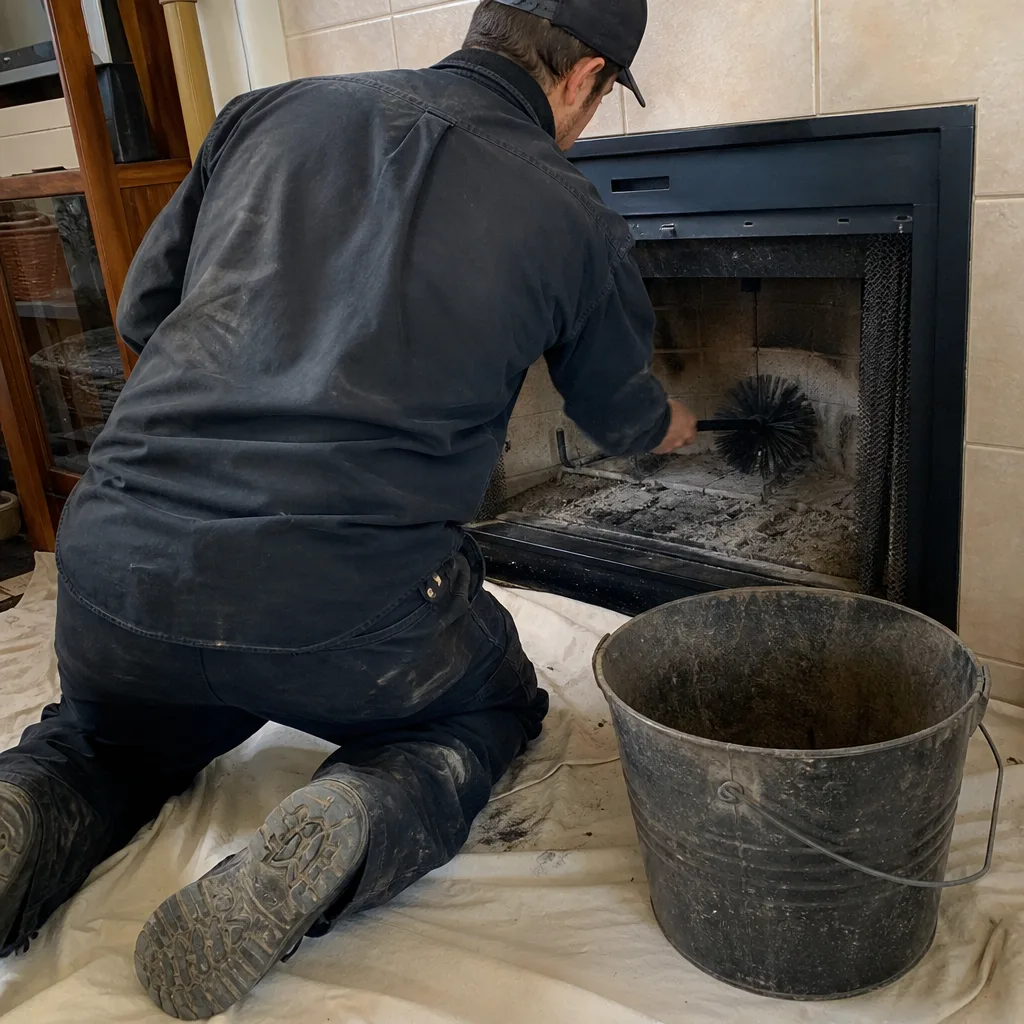
Last updated November 15, 2026
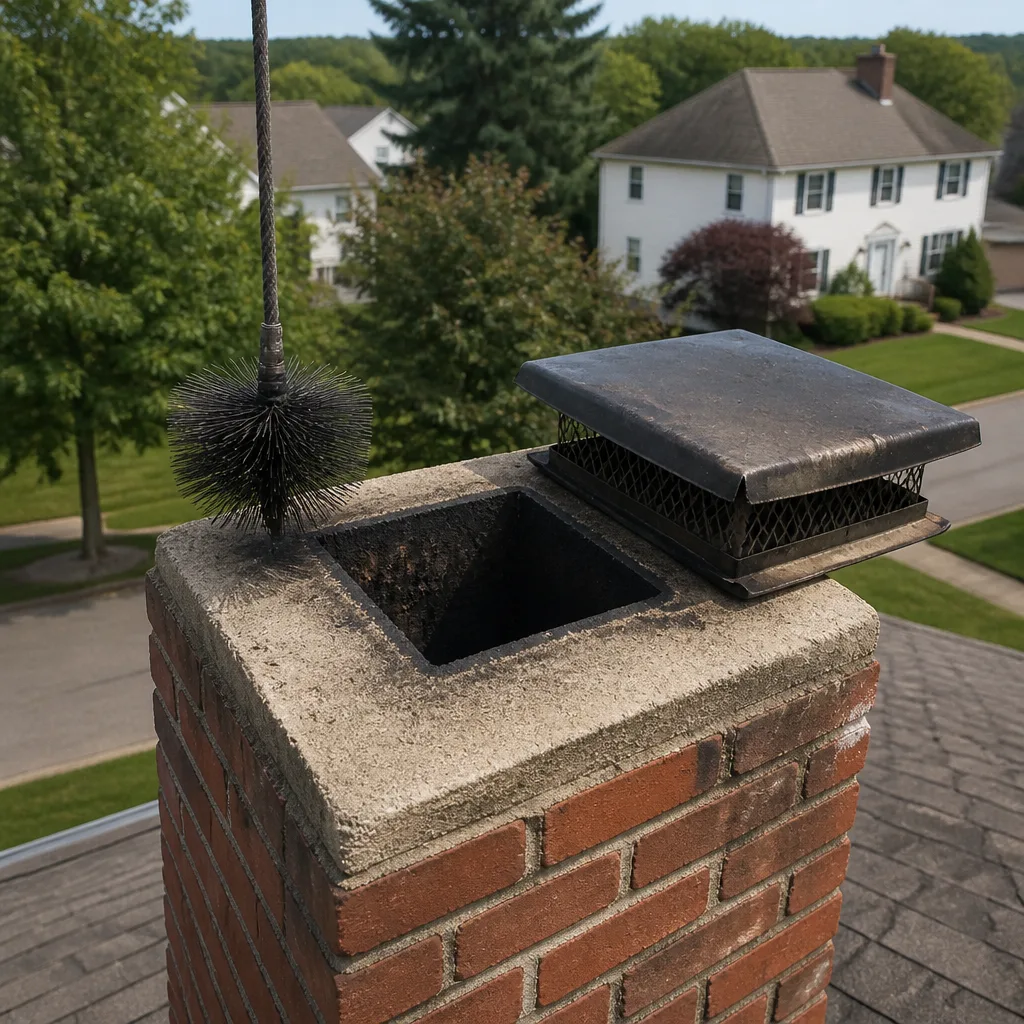 Sweep & inspection
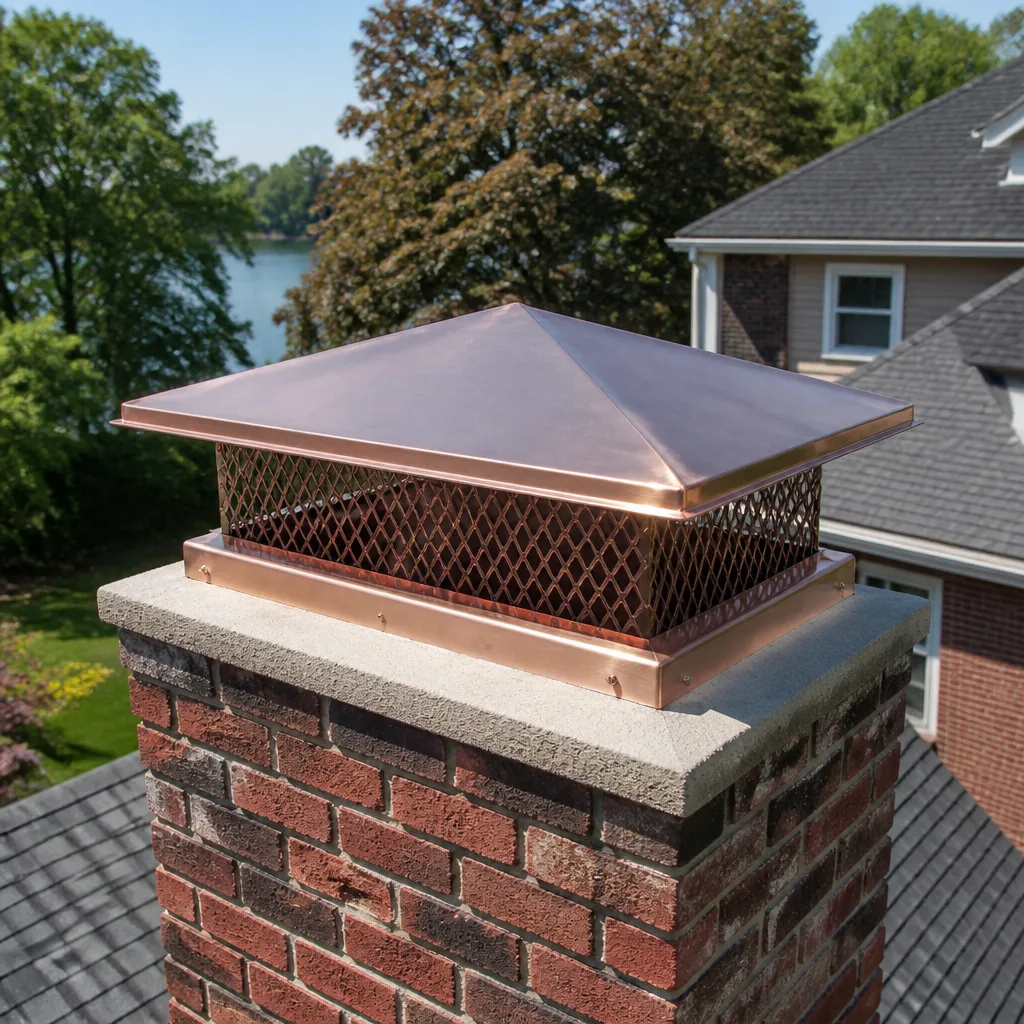 Caps & crowns
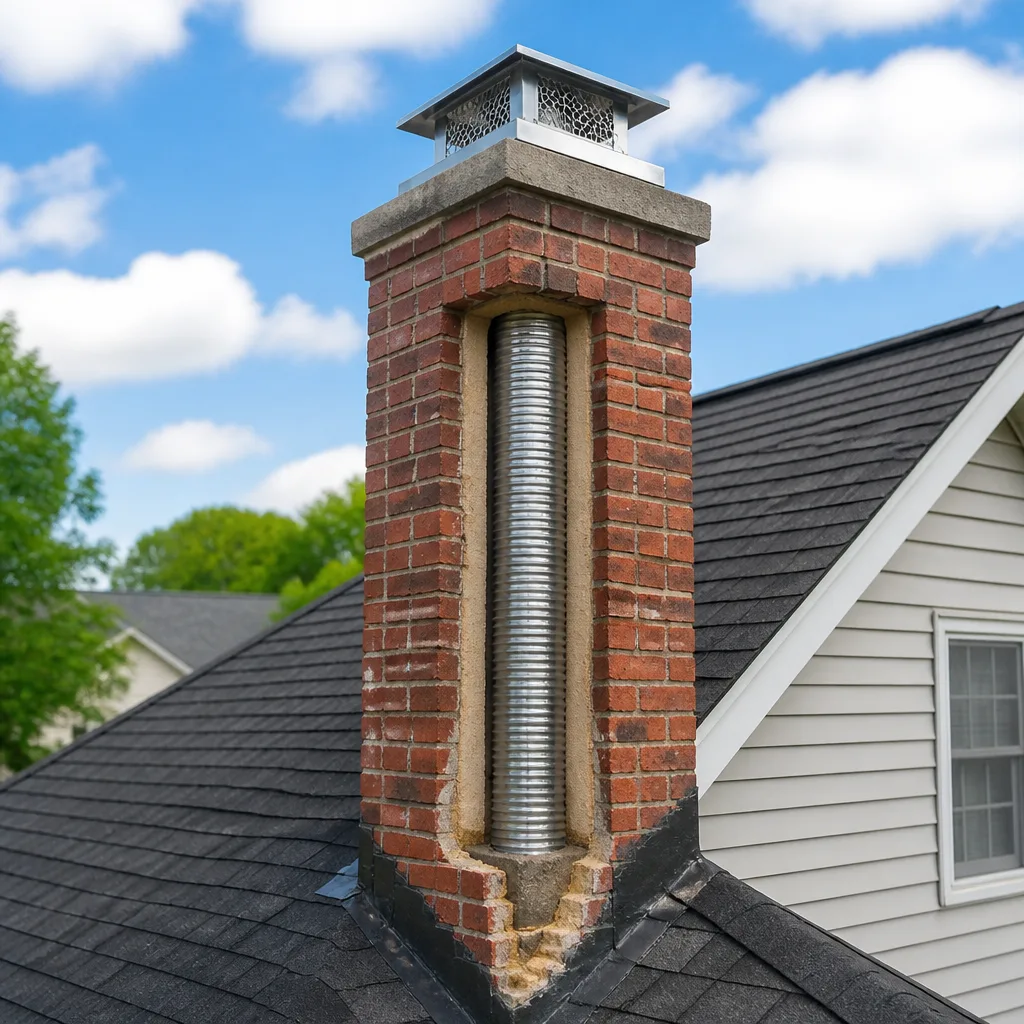 Flue relining
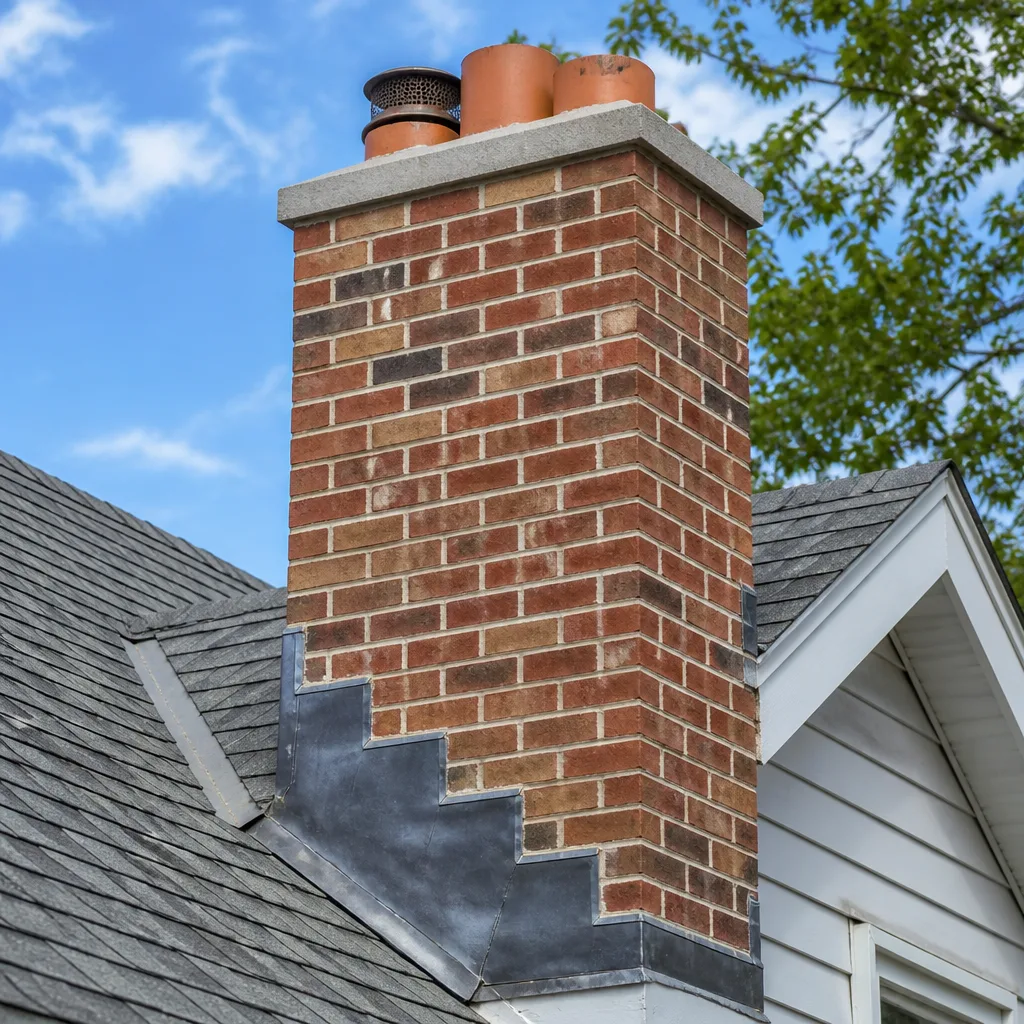 Masonry repair
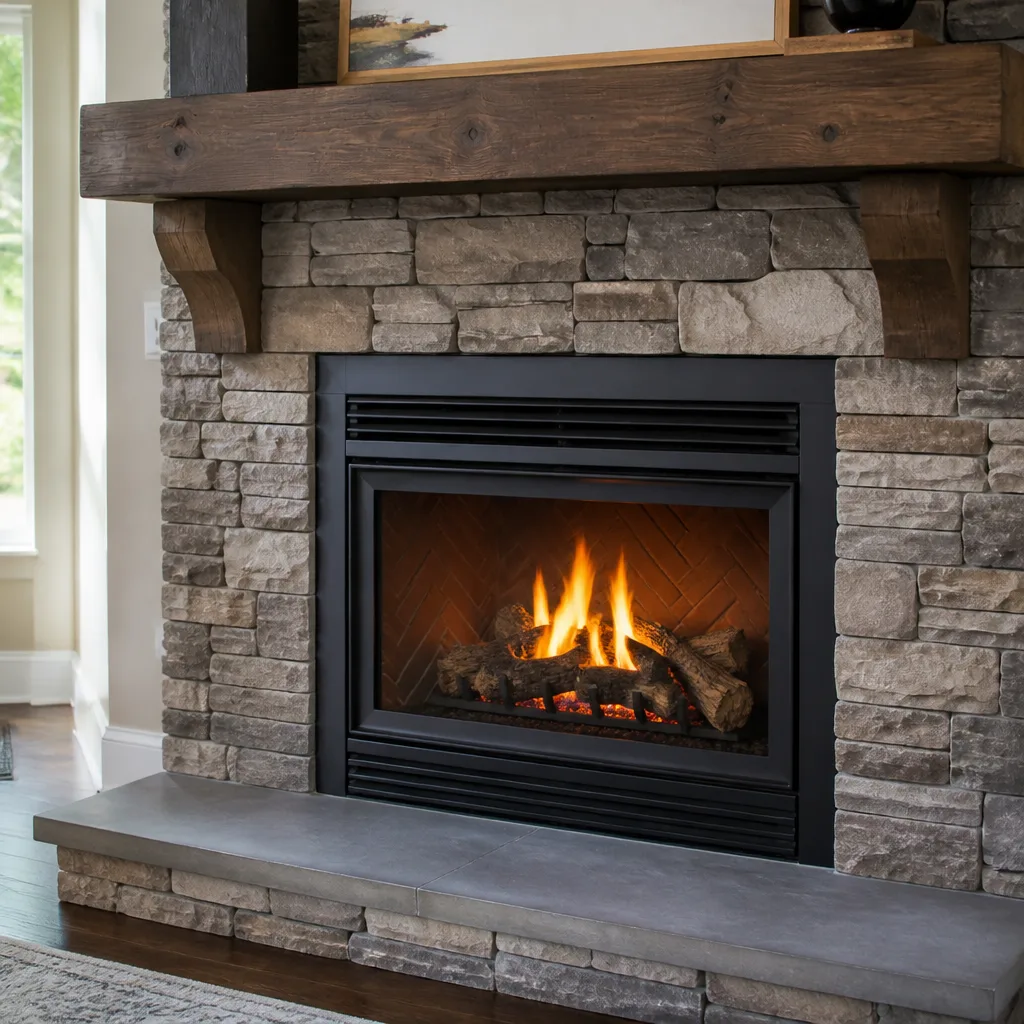 Gas fireplace service
Level 1 sweep and inspection to the NFPA 211 annual standard - flue, crown, cap, and flashing checked and photographed
Chimney sweep logs do not sweep chimneys. They loosen some creosote - which then falls where a brush and vacuum still have to collect it.
Chimney Sweep Troubleshooting in Nampa: Common Problems and How to Fix Them
If your fireplace smokes back into the room only on cold starts, that’s a different problem than if it smokes every single time you light it. And treating the two the same way is why most DIY fixes fail. One is a draft-priming issue you can often solve yourself in ten minutes. The other points to a blockage or a structural fault that no amount of cracking a window will cure. Homeowners in Nampa tend to blame bad wood or bad weather for smoke and smells. Usually, the chimney is telling you something specific about draft, pressure, or the condition of its flue. This guide teaches you to read those symptoms the way a specialist does – so you arrive at the repair conversation with actual data instead of a guess.
Quick Answer
Most chimney problems come down to three causes: weak draft (often a cold flue or negative pressure from wind and rooflines), obstructions (creosote, nests, or debris), and structural damage (cracked flue tiles, failing mortar, or a warped damper). Diagnose by matching symptoms – smoke only on cold starts, smoke on every use, a rattle inside the flue, a musty smell – to the right cause before you spend a dollar. Anything involving a cracked flue or a blocked flue needs a trained chimney technician, not a DIY repair.
Styles & brands we work with
- Sweep & inspection
- Caps & crowns
- Flue relining
- Masonry repair
- Gas fireplace service
Table of Contents
- Smoke on Cold Starts vs. Smoke Every Time
- Nampa’s Winds and Downdraft: The Negative Pressure Problem
- Sound and Smell Signatures: Cracked Tile vs. Failing Mortar
- Why Your Damper “Worked Last Year”
- A Simple Draft Test You Can Do Before You Call
- Creosote: The Problem That Hides Until It Doesn’t
- The Other Exhaust System: Your Dryer Vent
- Common Mistakes to Avoid
- When to Call a Professional
Smoke on Cold Starts vs. Smoke Every Time
These two symptoms look identical from the sofa, and they have nearly opposite fixes. Getting them straight is the single most useful thing you can do before calling anyone.
Smoke only on cold starts is a draft-priming problem. When a flue has been cold for hours or days, the air column inside it is heavier and denser than the warm air you’re trying to push up it. The fire starts, produces a little smoke, and the cold flue won’t move it. Smoke drifts out the top of the firebox into the room for the first several minutes, then the chimney “catches” and everything works. That pattern – smoke for a few minutes, then clear – is almost always priming, not damage.
Smoke every single use, even after the fire has burned hot for twenty minutes, is a different diagnosis. Persistent spillage usually means the exhaust path is compromised. That could be a heavy creosote layer narrowing the flue, a birds’ nest or debris cap, a cracked flue tile throwing off the draft, or a firebox that’s too shallow for the opening. Those are structural or blockage problems, and they don’t get better with better firewood.
How to tell them apart at home:
- Light the fire and watch the first five minutes.
- If smoke clears once the fire is hot, you’re dealing with cold-flue priming.
- If smoke continues after twenty minutes of active burning, stop and treat it as an obstruction or structural issue.
- Note the outside temperature and wind direction when it happens – both matter here more than most people expect.
Priming problems are often manageable with pre-warming the flue, which we cover below. Persistent spillage is a call-a-specialist problem. When you’re ready for an honest assessment, our chimney sweep in Nampa starts with a camera inspection of the flue so you can see exactly what we find.
Nampa’s Winds and Downdraft: The Negative Pressure Problem
Nampa sits in the Treasure Valley, where wind patterns and temperature swings are as much a part of chimney behavior as the firewood. The winds that roll across the valley and over rooflines create low-pressure zones on the leeward side of a house. When a chimney is on the downwind side of a roofline, peak, or nearby tree, that low pressure pulls air – and smoke – back down the flue. This is called downdraft, and it’s one of the most misdiagnosed problems we see.
Why it gets misdiagnosed: downdraft looks exactly like a dirty chimney. Smoke puffs back into the room, the fire struggles, and the homeowner assumes creosote. So they have the chimney swept, the fire still smokes, and the frustration compounds. Meanwhile, the actual cause is air pressure, not soot.
Signs you’re looking at downdraft rather than a dirty flue:
- Smoke appears only on windy days, or only when the wind comes from one direction.
- The problem gets worse when the house is tightly sealed or when exhaust fans (kitchen, bath) are running.
- The fire burns fine when a nearby window is cracked open.
- The chimney cap is on the downwind side of the ridge, a peak, or a tall tree line.
Fixes for downdraft run from simple to structural:
- Open a window a crack near the firebox to equalize pressure – a temporary test, not a permanent fix.
- Check for a chimney cap designed to improve draft, not just keep rain out.
- Raise the flue termination if the roofline or trees are creating the low-pressure zone.
- Have a technician assess whether the flue height meets the minimum for your home’s pitch and surrounding structures.
Because Nampa homes sit at varying elevations and wind exposures, a fix that works on one block may not work on the next. Our technicians have up to 9 years of experience reading these local pressure patterns – that experience is worth more here than any generic checklist.
Sound and Smell Signatures: Cracked Tile vs. Failing Mortar
You can often give a technician a more accurate description than they’d get from a vague “it smells funny.” Chimney damage has sound and smell signatures. Learning to describe them accurately helps the technician bring the right tools and materials – and saves you a return visit.
Cracked flue tile
A cracked flue tile often announces itself with a sharp, high-pitched tick or crack sound when the flue heats up and cools down. It’s thermal expansion opening and closing the crack. You may also hear a light metallic or ceramic rattling on windy days as the fractured tile shifts. Smells from a cracked tile tend to be sharp and acrid – more like harsh smoke than damp. That’s because exhaust is leaking sideways into the masonry instead of going up and out.
Failing mortar joints
Deteriorating mortar between flue tiles or bricks smells musty and damp, like wet basement air, especially after rain. The sound signature is a low grind or crunch when air moves through the gaps, not the high tick of a crack. You might also notice powder or grit at the firebox floor – mortar that’s crumbling and falling.
Why Nampa’s freeze-thaw winters matter here
Nampa winters cycle above and below freezing repeatedly. Water soaks into mortar joints, freezes, expands, and thaws. That cycle is brutal on mortar, and it’s why a joint that looked fine last winter can be failing this one. If your home is at a higher elevation or catches the colder air pooling in the valley, your masonry sees more freeze-thaw cycles than a home on the valley floor.
When in doubt, describe what you hear and smell as specifically as you can. A technician who knows what to listen for can often confirm the diagnosis before anyone gets on your roof.
Why Your Damper “Worked Last Year”
A damper that operated smoothly for years and suddenly sticks or fails to seal isn’t a mystery. It’s usually thermal cycling. Cast iron and steel damper plates expand when hot and contract when cold. Repeated cycles – hundreds per season in a Nampa home – warp the plate or stress the hinge and pivot points.
Common damper symptoms and what they mean:
- Stiff or sticky movement: the pivot is binding from warp or corrosion. Fixable with adjustment, but not a job to force.
- Won’t stay open on its own: the plate has warped or the hinge has worn. If the damper drops while the fire is burning, that’s a real smoke and safety problem.
- Won’t close fully: the plate has warped so it doesn’t seat. This lets interior air up the flue all year, which wastes heat and can cause cold-flue priming next season.
- Rattle when the fire runs: the plate is loose on its hinge. Can be tightened or the damper replaced.
What to do:
- Open and close the damper by hand a few times, gently, and feel for binding before you force it.
- Look at the plate with a flashlight from below – a visible bend is a clear sign of warp.
- Don’t try to bend a cast iron plate back to shape; it can crack.
- If the damper won’t open freely or won’t seal, book an inspection. A technician can evaluate whether it needs adjustment or replacement with a professional-grade component.
A misbehaving damper is often a warning about flue condition too, so it’s smart to pair a damper check with a full sweep. Our Chimney Sweep Nampa professionals assess the damper as part of every visit.
A Simple Draft Test You Can Do Before You Call
Before you call anyone, gather some real data. A simple draft test takes two minutes and tells you – and the technician – whether your chimney is drawing air up or pushing it back into the room. It’s the single most useful pre-call check a homeowner can do.
What you’ll need: a match (or a stick of incense), and a cold day when you haven’t burned a fire yet.
- Open the damper fully.
- Make sure the firebox is cold and there’s no active fire.
- Light the match and hold it near the top of the firebox opening, close to the flue throat.
- Watch the smoke and the flame. If the smoke and flame lean up into the flue, the chimney is drawing air up – good draft.
- If the smoke drifts back into the room, or the flame flutters and leans toward you, the chimney is reversing – poor draft.
- Note the conditions: outside temperature, wind, and whether other exhaust fans were running.
Run the test on a cold, calm day first, then again on a windy day. The difference tells you a lot. A chimney that fails only on windy days points to downdraft. One that fails on every cold day points to a priming or obstruction problem. This gives you a real diagnostic fact to bring to the conversation.
One caution: do this only with a cold, empty firebox. Never test draft with a fire burning, and never lean into the firebox while holding a flame near your face or clothing.
Creosote: The Problem That Hides Until It Doesn’t
Creosote is the residue left behind when wood smoke cools and condenses on the flue walls. In Nampa’s cold winters, a flue that cools quickly deposits creosote faster than a flue that stays hot. The tricky part: creosote doesn’t make noise, doesn’t smell much at low levels, and doesn’t show its hand until it’s thick enough to affect draft – or to ignite.
The three forms of creosote, from mild to serious:
- First degree: a light, fluffy soot. Removed with a standard sweep and brush.
- Second degree: a crusty, flaky layer. Still brushable, but needs more effort and a proper sweep.
- Third degree: a glazed, hard layer that looks like black glass. This is the fire-hazard stage. It doesn’t come off with a brush and needs specialized treatment.
That glazed stage is where a sweep shop proves whether it’s a specialist or a generalist. Removing glazed creosote safely takes the right technique and professional-grade chemistry, not a wire brush on a broom handle. When glazed creosote has damaged the flue walls, resurfacing can restore the liner instead of replacing it – that’s where a product like HeatShield ceramic resurfacing comes in, a system most general handymen and standard sweep outfits simply don’t have.
How to slow creosote buildup:
- Burn well-seasoned wood, not green or freshly cut wood.
- Keep fires hot enough to burn efficiently – smoldering fires produce more creosote.
- Don’t close the damper too early after a burn; let the flue vent fully.
- Book a sweep before each heating season in Nampa so you start winter clean.
The National Fire Protection Association’s guidance ties creosote buildup directly to chimney fire risk, which is why a sweep isn’t just a tidy-up – it’s a safety check. An honest sweep is also where problems get caught early, before a small creosote issue becomes a structural repair.
The Other Exhaust System: Your Dryer Vent
You have two exhaust systems in your home that vent hot, moisture-laden air to the outside: your chimney and your dryer vent. Both are fire risks when they clog, and both are easily overlooked. Most homeowners think about one and forget the other until a laundry load takes two cycles to dry.
Clogged dryer vents are a real fire hazard. Lint is highly flammable, and a vent packed with lint slows airflow, overheats the dryer, and creates the conditions for ignition. The NFPA’s fire data links clogged dryer vents to thousands of residential fires each year. In a dry, windy climate like Nampa’s, that risk isn’t abstract.
Signs your dryer vent needs attention:
- Clothes take longer to dry than they used to.
- The dryer feels hot to the touch on top or where the vent exits.
- You notice lint around the vent opening or a musty, damp smell in the laundry area.
- You haven’t had the vent cleaned in the last year or two.
Why we cover it alongside chimney work: both are exhaust systems that need inspection and cleaning on a schedule. Booking dryer vent cleaning at the same time as a chimney sweep means one visit, one honest assessment, and both fire-risk systems handled together. It fits our approach – we’re a chimney and venting specialist, not a general handyman who’ll clean a flue and hand you a business card for a dryer vent guy.
We handle both with the same professional-grade standard. That’s the difference between a sweep and a specialist.
Common Mistakes to Avoid
- Treating cold-start smoke and persistent smoke the same way. Priming problems are manageable; persistent spillage is often structural. Confusing the two wastes a repair budget on the wrong fix.
- Cracking a window as a permanent solution. It can confirm a downdraft diagnosis, but it’s a test, not a fix. Leaving a window cracked all winter wastes heat and doesn’t solve the root cause.
- Burning green or unseasoned wood to “save money.” Green wood smolders, produces heavy creosote, and costs you far more in flue condition than you save on fuel.
- Assuming a sweep always means a brush and a smile. A standard sweep can’t handle glazed creosote or a cracked flue tile. If the technician can’t evaluate and repair the flue, you’re getting half the job.
- Ignoring the dryer vent entirely. In Nampa, a laundry area that shares a wall or room with the furnace or water heater is a common setup, and a lint-clogged vent sitting right there is a real risk most people walk past every day.
- Forcing a stuck damper. Bending a cast iron plate back into shape can crack it. If it’s stuck, have it assessed.
- Waiting for a chimney fire to act. Creosote and a cracked flue tile are invisible until they’re not. The cheapest repair is the one done before the fire.
When to Call a Professional
Some problems genuinely shouldn’t be a DIY project. Call a professional if any of these describe your situation:
- Smoke spills into the room on every use, not just on cold starts.
- You smell a damp, musty odor or a sharp acrid smell after burning.
- You hear a persistent tick, rattle, or grind from the flue.
- Your damper is stuck, won’t seal, or won’t stay open.
- You’ve never had the chimney inspected and you don’t know its condition.
- You notice creosote that looks like glazed black glass.
- Your dryer runs hot or clothes take longer than they should to dry.
For Nampa homeowners, a professional assessment means a camera inspection and a clear explanation of what’s found – not a hard sell for liner work you can’t verify. That’s the standard we hold ourselves to. Chimney Sweep Nampa offers free estimates in Nampa – call (888) 854-6163.
See the difference
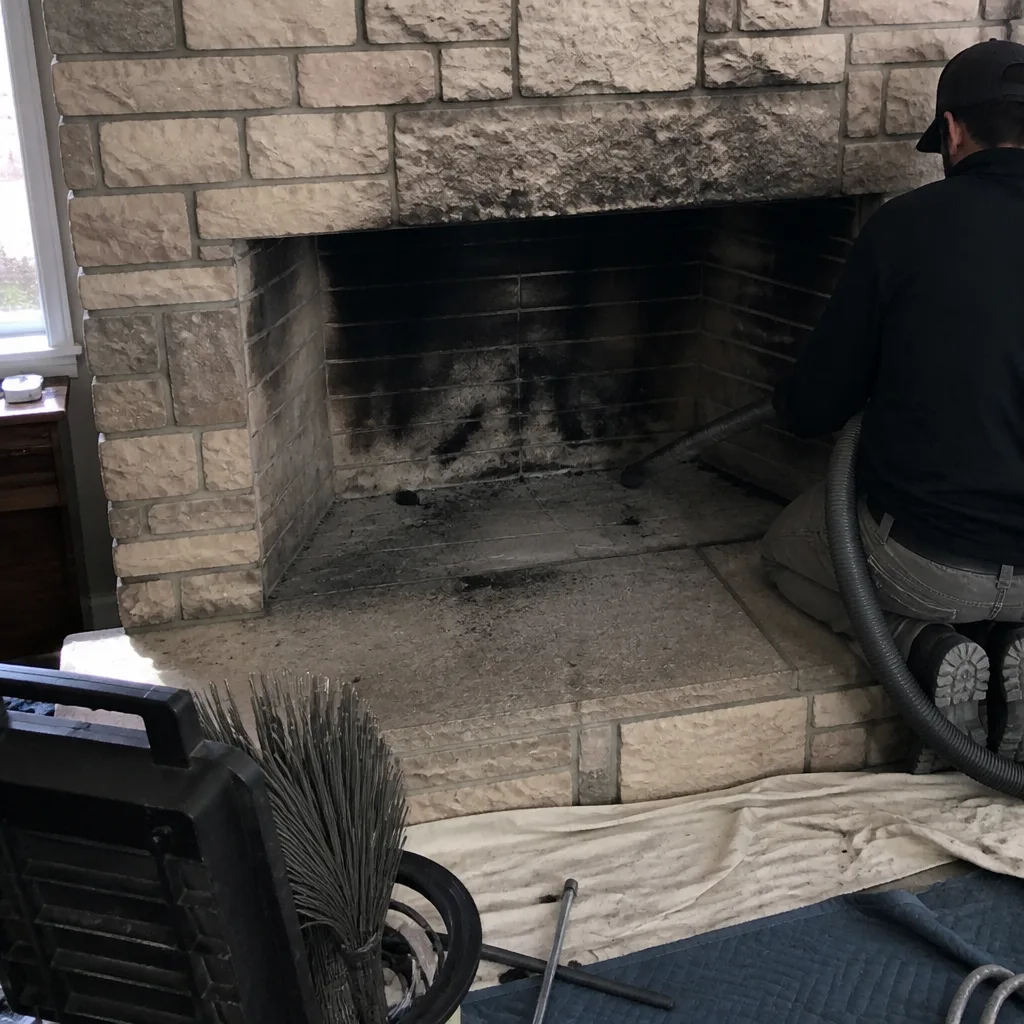 Before
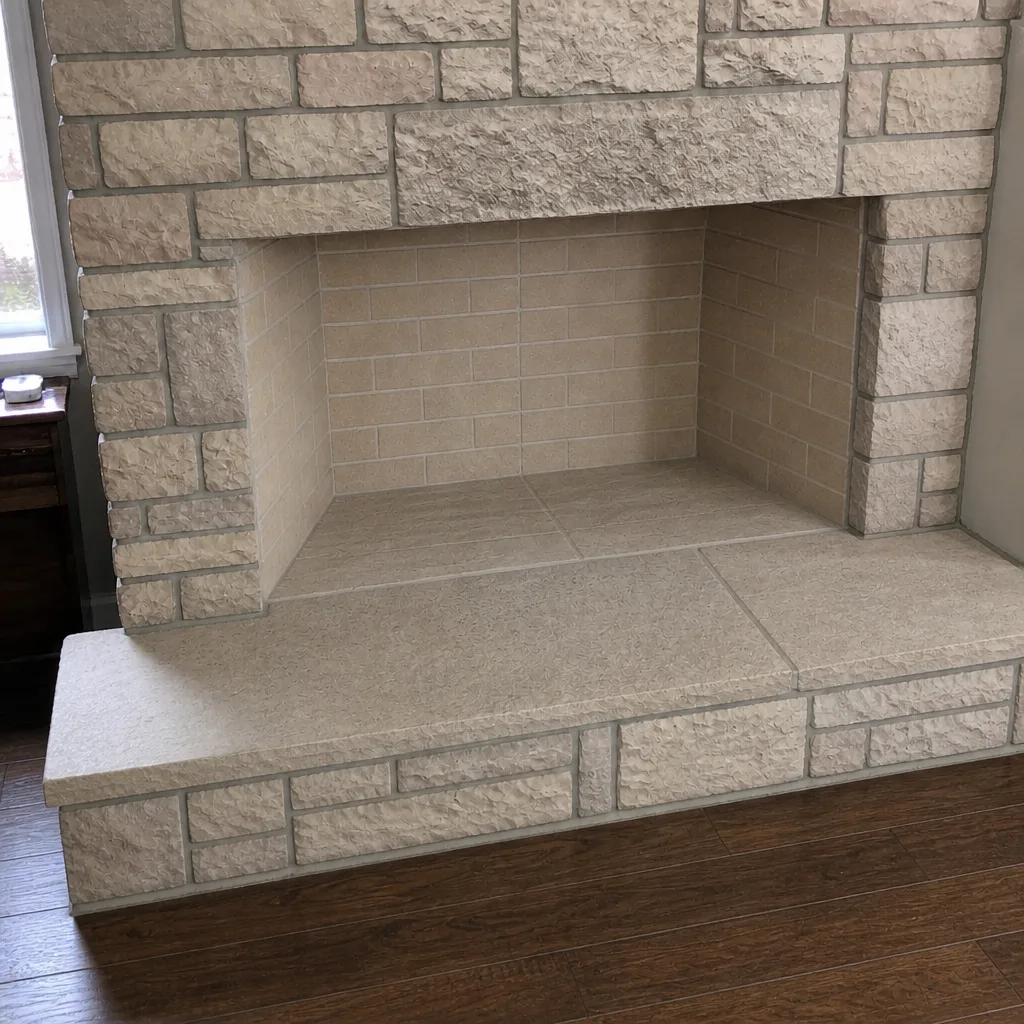 After
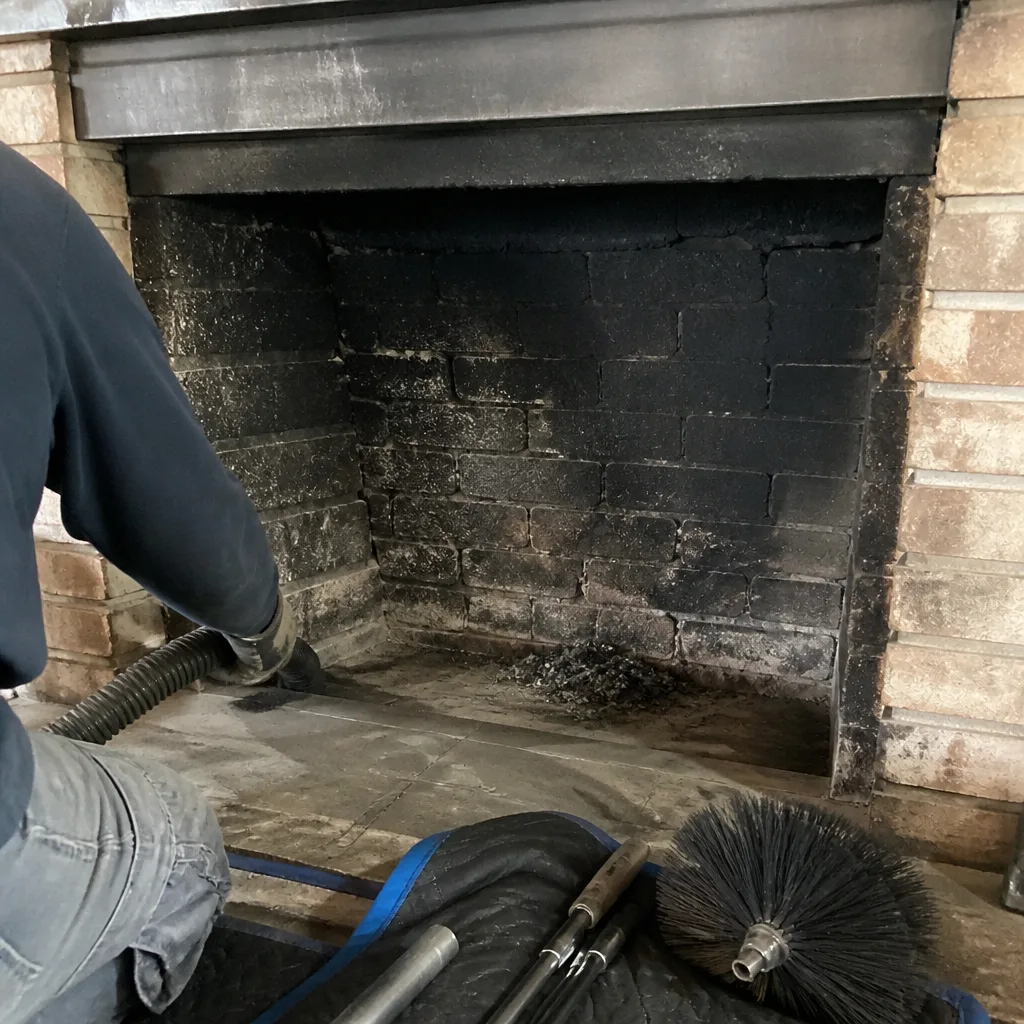 Before
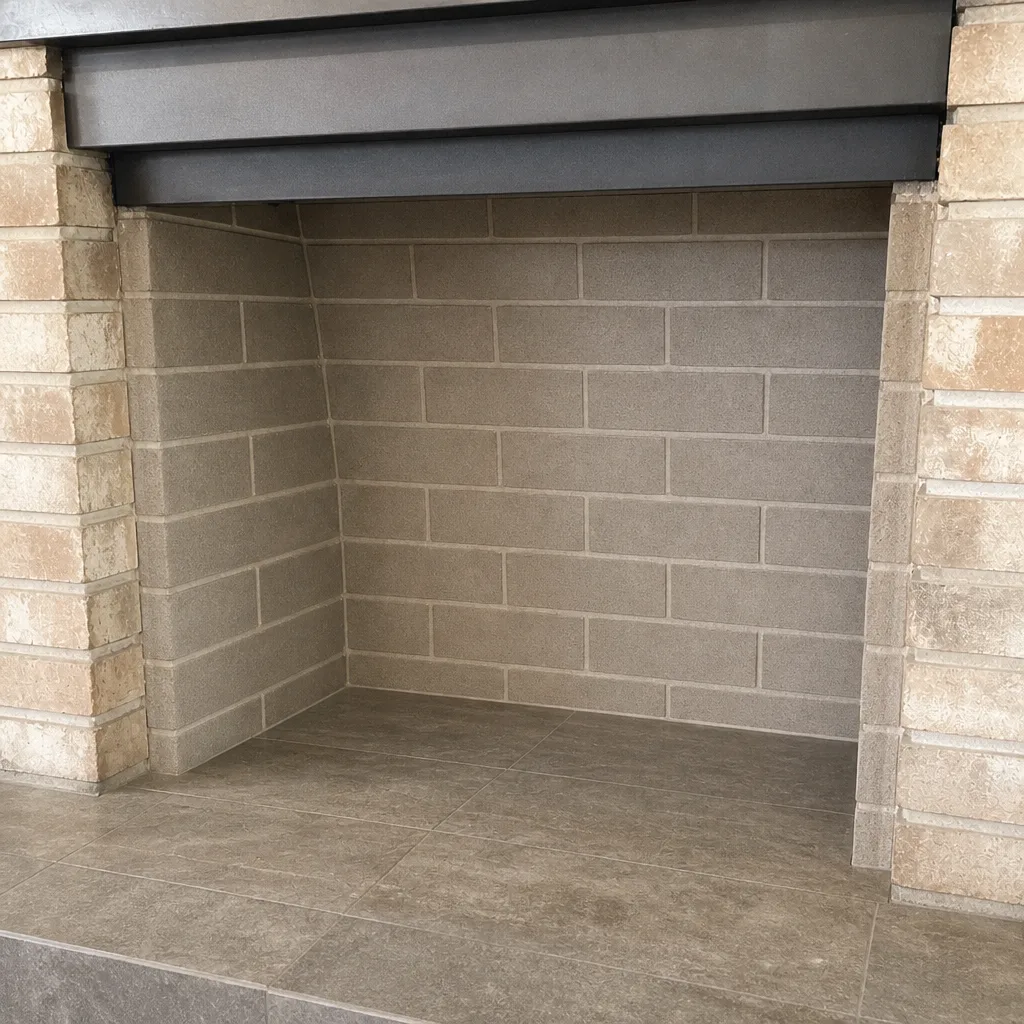 After
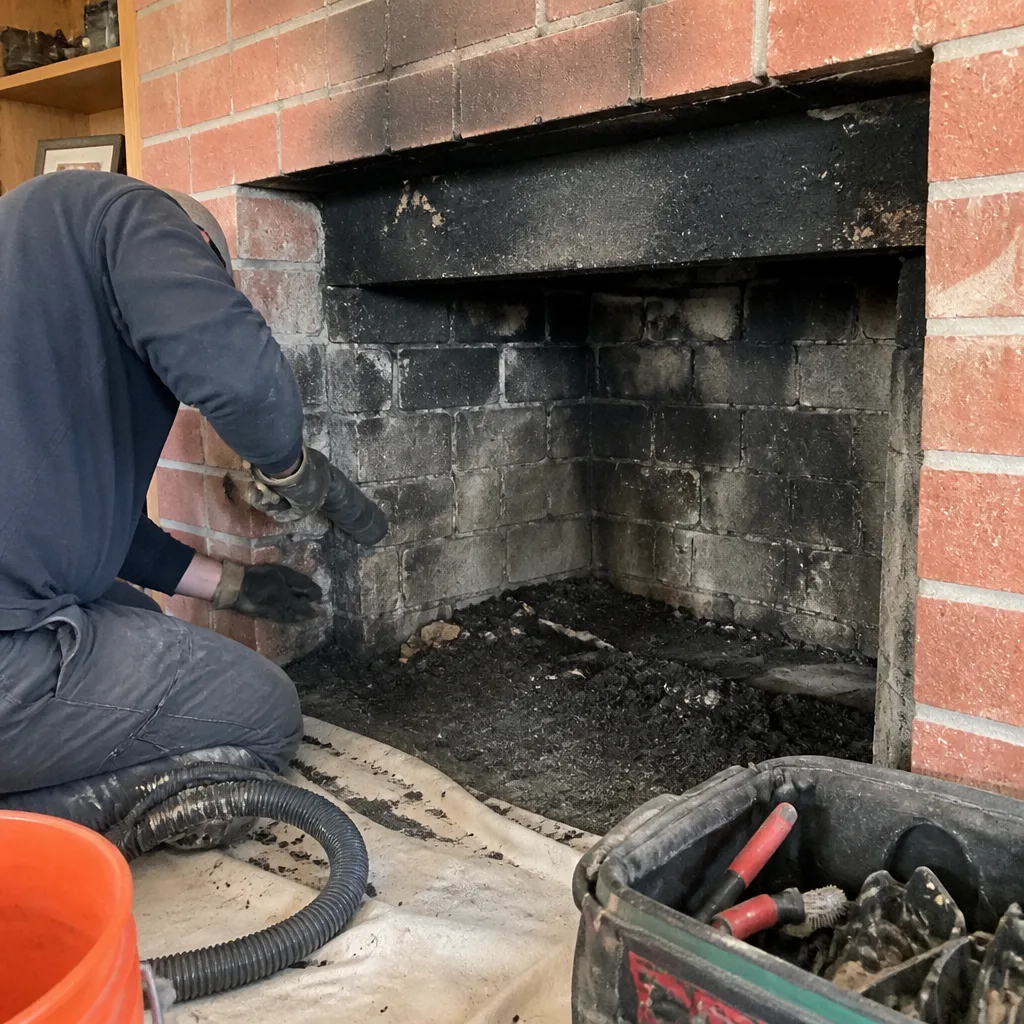 Before
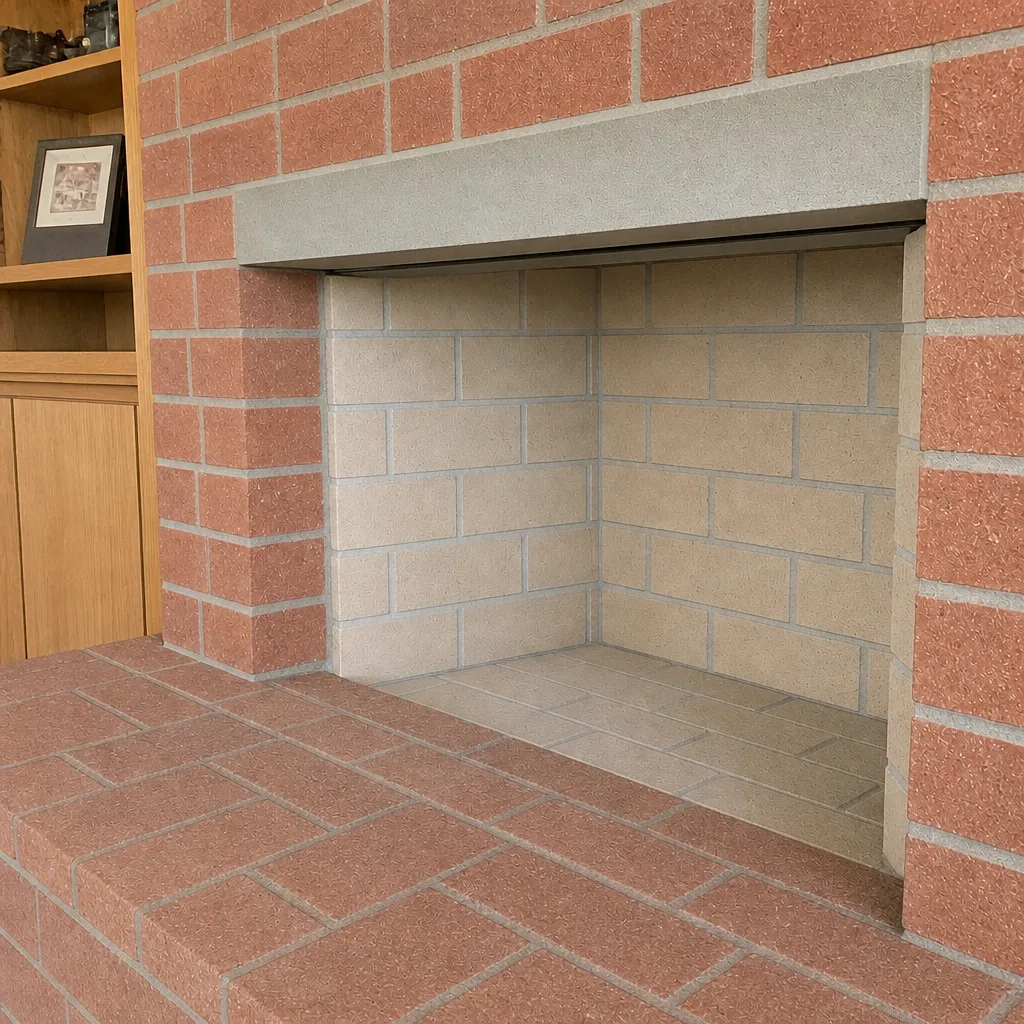 After
Frequently Asked Questions
Smoke on cold starts is usually a cold-flue priming problem. The air inside the flue is cold and heavy, so it resists moving up until the fire warms it. Pre-warming the flue with a rolled newspaper torch held near the damper can help. If smoke continues after twenty minutes, that’s a sign of blockage or structural damage, not priming – and it’s worth a professional look. Call (888) 854-6163 for an exact quote – estimates are free.
Wind-driven smoke is almost always downdraft caused by negative pressure on the leeward side of a roofline or nearby trees. Downtown and older residential areas of Nampa often see this where rooflines and mature trees interfere with airflow. A chimney cap or a flue height adjustment usually fixes it. A wind-only symptom is rarely the chimney’s fault – it’s the surrounding pressure environment. Call (888) 854-6163 for an exact quote – estimates are free.
A cracked tile typically makes a sharp ticking or high-pitched crack sound as the flue heats and cools, and smells sharp and acrid. Failing mortar sounds like a low grind and smells musty and damp, especially after rain. Both are confirmed with a camera inspection of the flue. If you’re hearing either sound, don’t light another fire until a technician has looked. Call (888) 854-6163 for an exact quote – estimates are free.
Nampa’s freeze-thaw winters create repeated expansion and contraction cycles that warp cast iron and steel damper plates. That’s why a damper that worked for years can suddenly stick, warp, or fail to seal. Don’t force it – a cracked plate is worse than a warped one. A technician can adjust or replace it. Call (888) 854-6163 for an exact quote – estimates are free.
Yes, and you should. A lit match near the flue throat, held with a cold firebox and the damper open, shows whether the chimney is drawing air up or pushing it back. Run it on a calm day and again on a windy day – the difference tells a technician a lot about whether you’re facing a priming problem or a downdraft. It’s a cheap test that makes the service conversation more productive. Call (888) 854-6163 for an exact quote – estimates are free.
If you’re due for a sweep, an inspection alone often isn’t enough – you can’t see the flue walls clearly until they’re cleaned. A proper visit combines a sweep with a camera inspection so you get an accurate picture. If the flue is clean and sound, a technician should tell you and schedule the next visit – not invent work. Call (888) 854-6163 for an exact quote – estimates are free.
The Bottom Line
Most chimney problems aren’t mysterious – they’re specific. Smoke on cold starts points to priming. Smoke on windy days points to downdraft. Harsh acrid smells and ticking sounds point to cracked tile. A musty smell and a low grind point to failing mortar. A stuck damper likely means thermal warp. Learn to match the symptom to the cause, run a two-minute draft test, and you’ll arrive at the repair conversation with real information instead of a guess. From there, a specialist can confirm the diagnosis with a camera inspection and recommend the fix – whether that’s a sweep, a HeatShield resurfacing, a DuraFlex liner, or a new component – based on what’s actually found. That’s how you stop guessing and start fixing. For help reading your chimney’s symptoms and getting an honest answer, our team at Nampa is ready for the call.
Call (888) 854-6163. We answer 24/7. Fast dispatch from 7am to 7pm, Sunday through Friday. Estimates are free, and the written estimate sets the final price.
Written by the team at Chimney Sweep Nampa.