
Last updated November 15, 2026
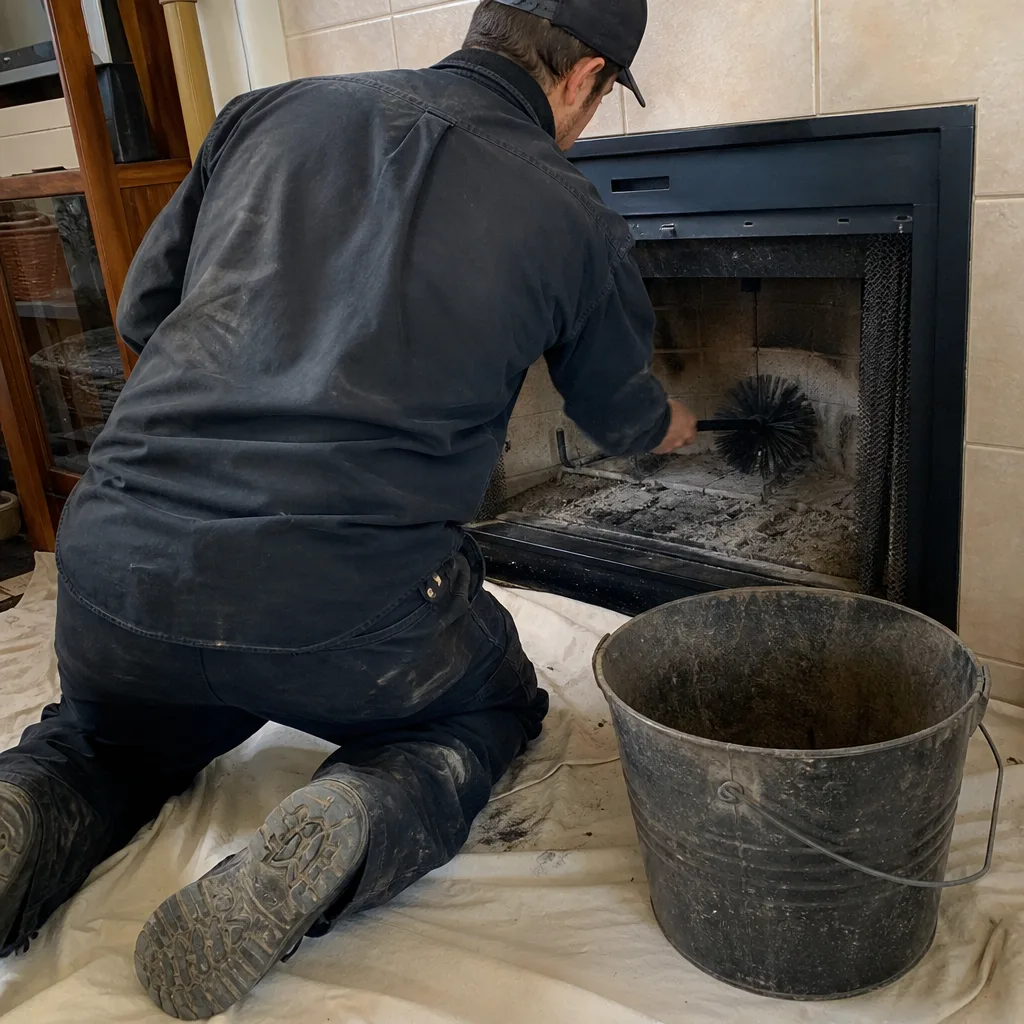
 Sweep & inspection
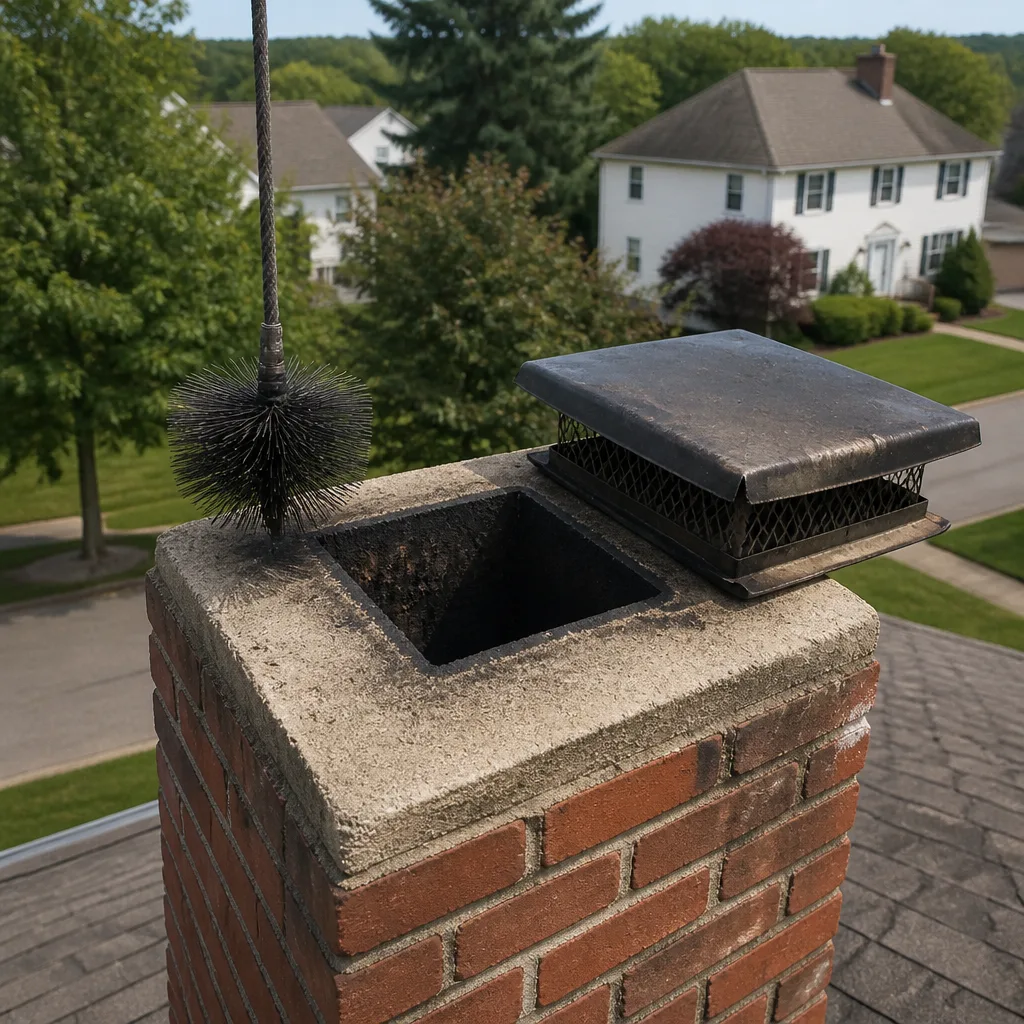
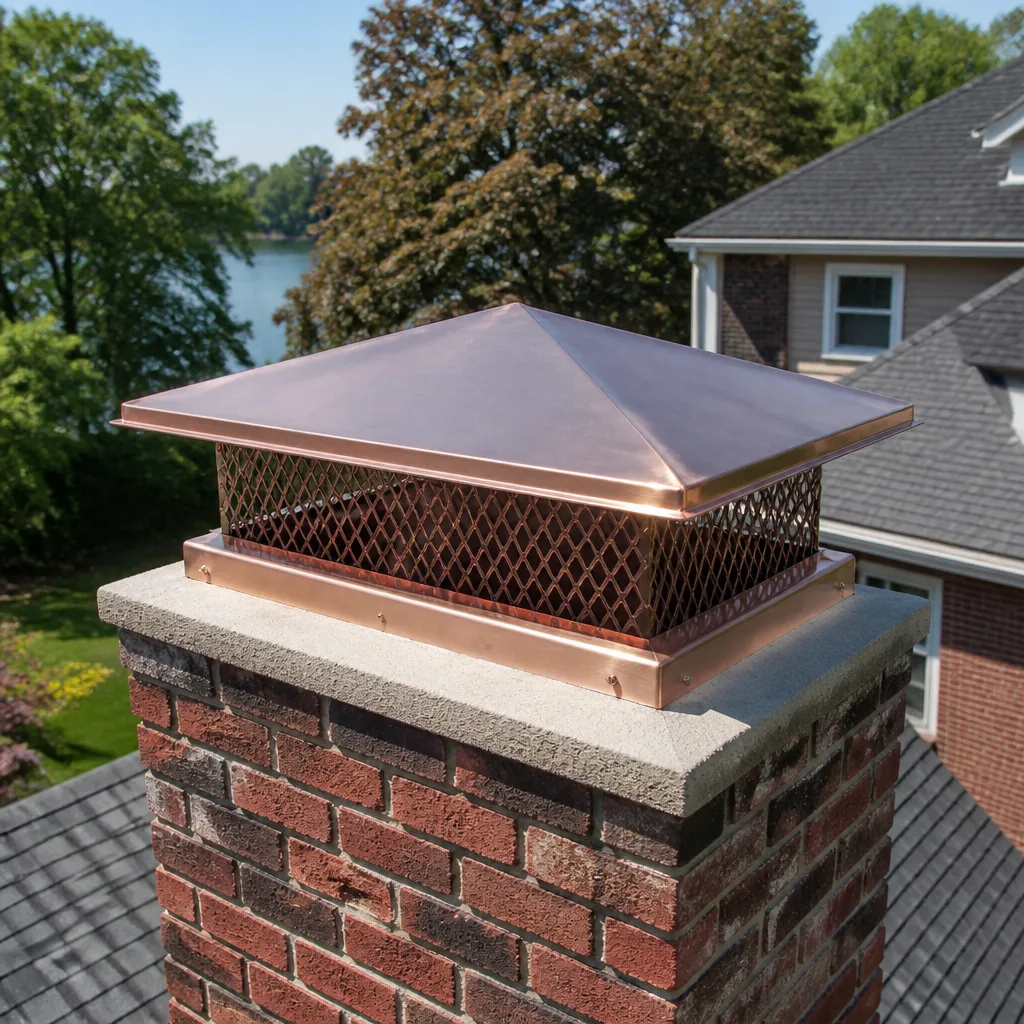 Caps & crowns
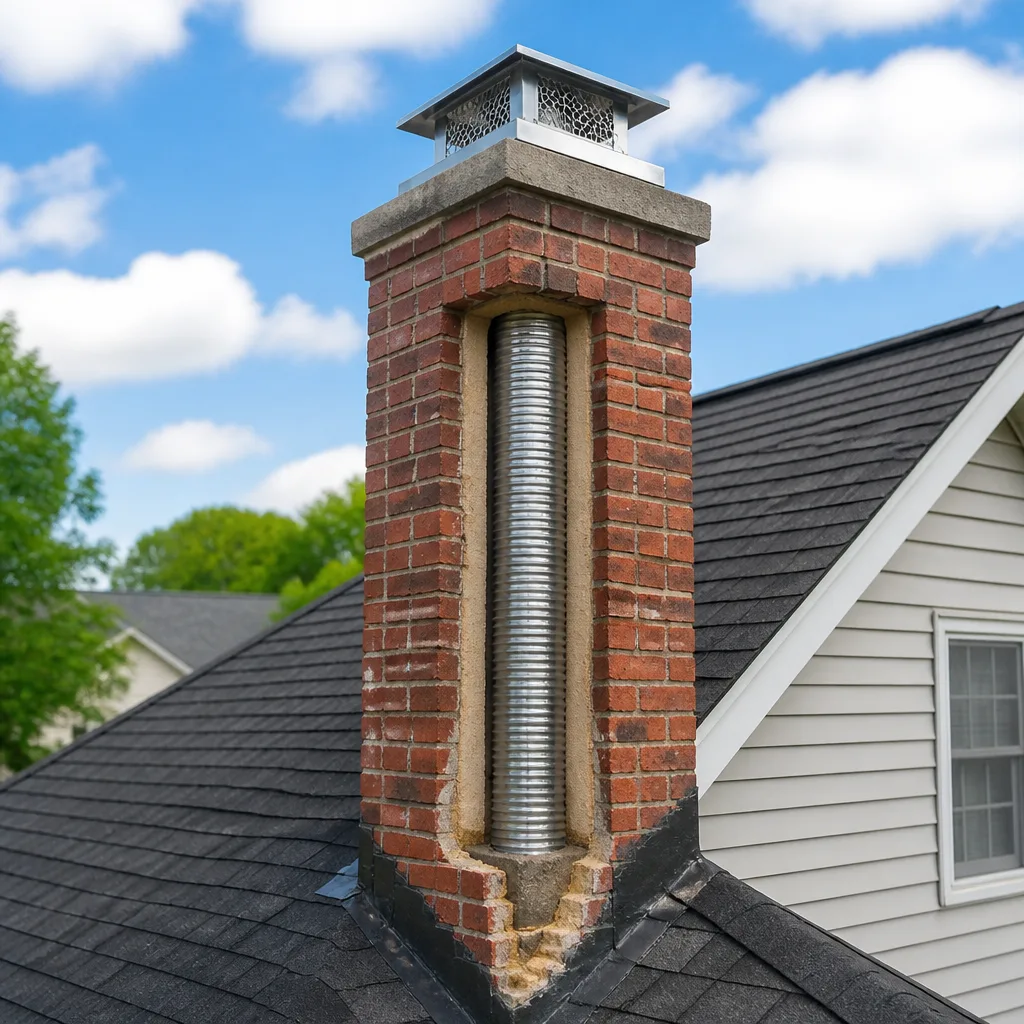 Flue relining
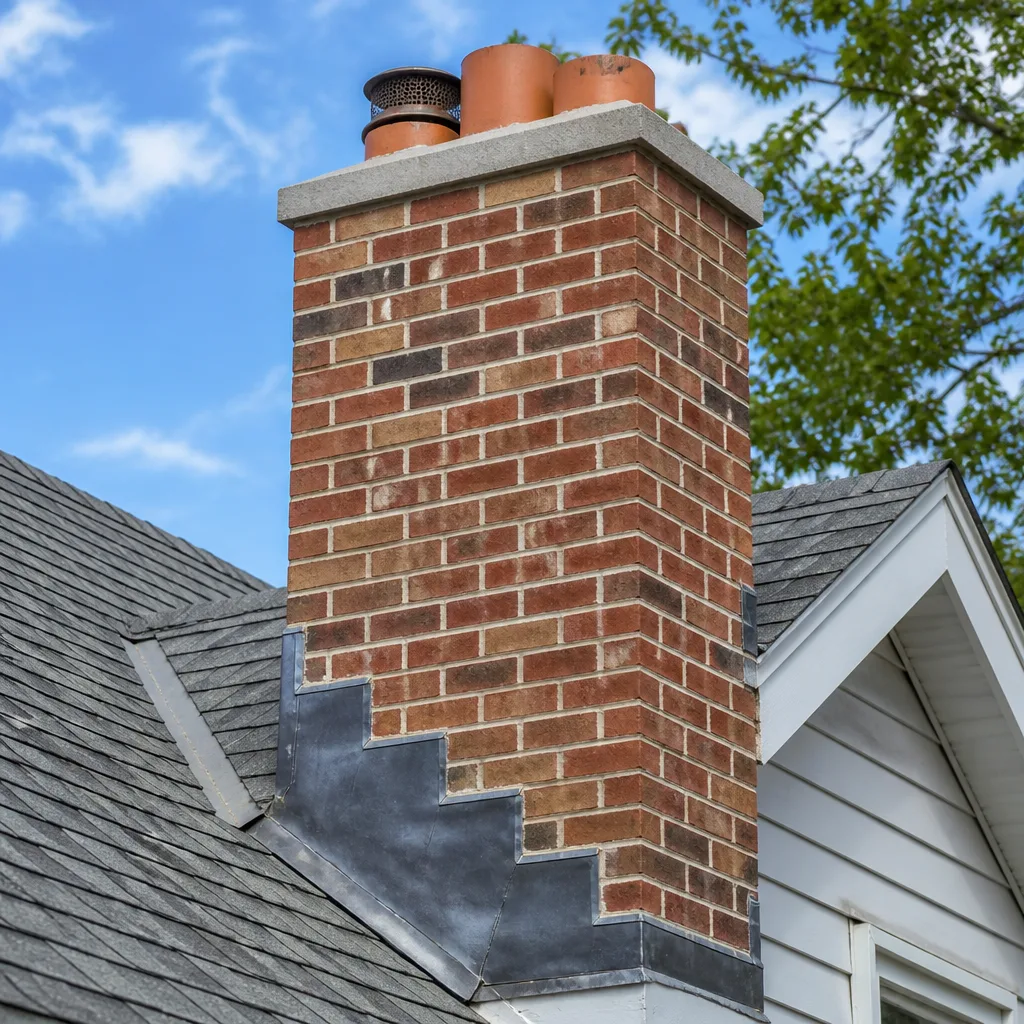 Masonry repair
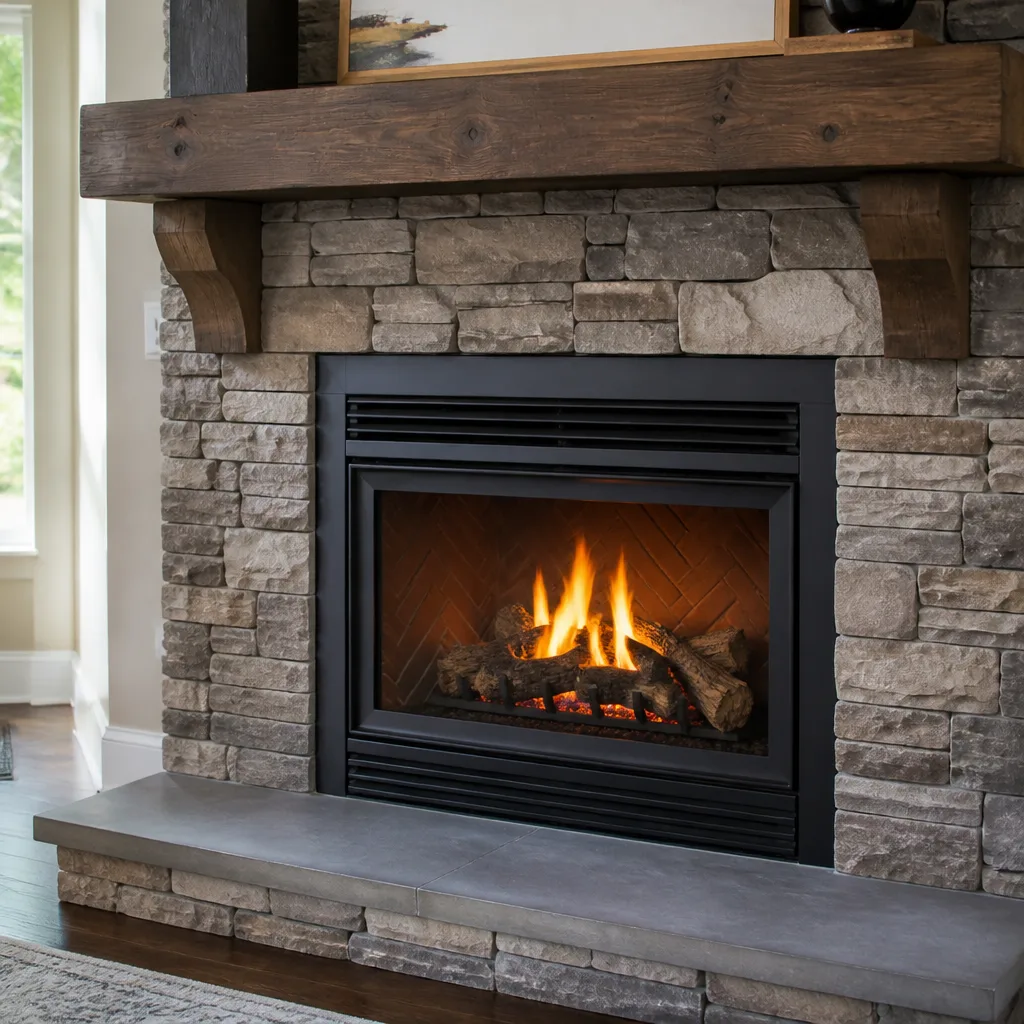 Gas fireplace service
Level 1 sweep and inspection to the NFPA 211 annual standard - flue, crown, cap, and flashing checked and photographed
Chimney sweep logs do not sweep chimneys. They loosen some creosote - which then falls where a brush and vacuum still have to collect it.
Choosing the Right Chimney Cleaning Brand: A Buyer’s Guide for Nampa
Waterproofing sealer applied to a chimney that already has active moisture damage doesn’t fix anything. It traps the water inside the masonry and gives it nowhere to go, and the repair that follows costs more than the sealant ever saved. We’ve watched this happen often enough in Nampa that it shaped how we explain product choices to homeowners. A product is only as good as the diagnosis behind it. This guide walks through the professional product categories used in chimney service, which brands are actually industry-standard, why the same symptom can point to three different products, and the questions to ask before anyone applies a chemical to your flue.
Quick Answer
Choosing the right chimney cleaning brand in Nampa comes down to two things: the product must match your flue material and your specific diagnosis, and it should come from an industry-recognized manufacturer rather than a consumer-grade shelf brand. Professional lines like Rutland, ChimneySaver, Anti-Creo-Soot, and SureCrete are engineered for the cure times, temperature ratings, and vapor permeability a working chimney requires. The right brand applied to the wrong problem still fails.
Styles & brands we work with
- Sweep & inspection
- Caps & crowns
- Flue relining
- Masonry repair
- Gas fireplace service
Table of Contents
- The five product categories in professional chimney service
- Professional brands vs. consumer-grade alternatives
- Why diagnosis comes before product: the moisture example
- Questions to ask before any product goes on your chimney
- What “professional-grade” actually means
- How Nampa’s climate shapes product choice
- Cleaning products vs. repair products: knowing the difference
- Common mistakes to avoid
The Five Product Categories in Professional Chimney Service
Before you can evaluate a brand, you need to know which category of product is being discussed. Each one solves a different problem, and they aren’t interchangeable. Here’s the breakdown of what you’ll encounter when you hire a chimney professional in Nampa.
1. Creosote Modifiers
Creosote is the tar-like residue left behind when wood burns. At the glaze stage it becomes hard, shiny, and flammable, and routine sweeping won’t remove it. Creosote modifiers are chemical treatments that soften or break down hardened deposits so they can be brushed away. They’re a real tool, but they aren’t magic: a heavy glaze stage often needs chemical treatment plus mechanical removal, not just a powder sprinkled on logs.
2. Smoke Chamber Sealants
The smoke chamber is the sloped area directly above the firebox damper. It’s notoriously rough-surfaced, which gives creosote plenty to grip. Sealants smooth the surface so sweeping removes deposits completely and so the transition from firebox to flue is clean. This is a repair product, not a cleaning product, and it’s usually a step in a broader resurfacing job.
3. Crown Coatings
The crown is the concrete cap on top of the chimney. It sheds water away from the masonry. When it cracks, water gets into the chimney body and from there into the house. Crown coatings are flexible membranes designed to bridge small cracks and flex with the crown. They are not a substitute for rebuilding a crown that has failed structurally, which is why an inspection has to look at the whole crown, not just the surface.
4. Flue Waterproofers
Vapor-permeable waterproofers are applied to exterior masonry to stop liquid water from soaking in while letting trapped vapor escape. This is the category that causes the most grief. A vapor-impermeable sealer applied over masonry that already holds moisture traps that moisture inside, and the freeze-thaw damage that follows is a repair problem.
5. Firebox Repair Mortars
Firebox mortar has to hold up to direct flame, heat cycling, and thermal shock. Consumer-grade mortar fails fast in a firebox. Specialty refractory mortars, often applied with a bonding agent, are the professional answer. If a contractor shows up with a bucket of standard masonry mortar, that’s a red flag worth asking about.
Professional Brands vs. Consumer-Grade Alternatives
The difference between a professional product line and a hardware-store alternative usually isn’t the marketing. It’s the specifications behind the label: how hot the material can get, how long it stays workable, how permeable the cured surface is, and whether the manufacturer publishes technical data sheets a contractor can actually review.
What You’ll See in Professional Chimney Work
- Rutland – creosote removers, refractory products, and firebox-rated materials widely used by sweep technicians.
- Anti-Creo-Soot – a widely recognized creosote modifier sold in professional channels.
- ChimneySaver – water-based waterproofing treatments specifically formulated for chimney masonry.
- SureCrete – resurfacing and repair materials used in flue and firebox restoration work.
On the installation side, the same logic applies. When we reline a chimney, we work with brands the trade actually specifies: HeatShield ceramic flue resurfacing, Gelco, Olympia Chimney, and Famco components. Those names show up because they have published technical specifications and are supplied to technicians working in the field, not because there’s a branding contest.
Why Consumer-Grade Alternatives Fall Short
Retail chimney products are made for the homeowner doing a one-time job with no instrumentation. That’s a different design brief. They tend to be thinner, less tested for continuous high-temperature cycling, and packaged without technical spec sheets. On a firebox or flue, the failure mode isn’t “doesn’t look great” – it’s premature cracking, flaking, or adhesion failure, which then needs a repair that could have been avoided.
Why Diagnosis Comes Before Product: The Moisture Example
The same visible symptom can come from several entirely different causes, and each one calls for a different product. Moisture intrusion is the clearest example, and it’s one we run into regularly in Nampa’s wetter months.
You might notice a damp smell, a stain on the ceiling near the chimney, or efflorescence (white powdery staining) on exterior brick. Three different causes can produce that picture:
- The crown is cracked. Water enters the top of the chimney and travels down. The fix is crown repair or recoating, not a waterproof product on the flue.
- The flashing at the roofline has failed. Water gets in where the chimney meets the roof. No amount of flue waterproofing addresses this; the flashing needs to be redone.
- The masonry is too porous. The brick absorbs water directly from wind-driven rain. This is where a vapor-permeable flue waterproofer is the right call.
Applying the waterproofing product to a chimney in the first or second scenario does nothing to fix the entry point. Applying it over active moisture in scenario three without a dry-out period traps the problem. The product isn’t wrong. The diagnosis is. That’s why the first step in any job is a visual inspection with a camera, and why the written estimate should name the cause, not just the product.
Questions to Ask Before Any Product Goes on Your Chimney
You don’t need to know product chemistry to hold a contractor to a standard. These questions will tell you whether you’re dealing with a technician who has thought about your chimney or someone applying whatever was loaded that morning.
- What exactly is this product? Category, manufacturer, and intended purpose. If the answer is vague, ask for the name and look it up.
- Why this product for my flue material? A clay tile flue, a stainless liner, and a masonry firebox each have different compatibility requirements. The answer should reference your specific situation.
- What’s the diagnosis this treats? The product should trace back to a specific finding from the inspection, not a general recommendation.
- What are the cure times? Some products require the chimney to sit unused for a period. You need to know that before you book it.
- What do the manufacturer’s specifications say? Temperature rating, vapor permeability, adhesion on your flue material. A professional can pull the tech sheet.
- What warranty applies? Product warranties are separate from labor warranties. Ask who warrants what, and for how long, and get it in writing.
- What happens if it doesn’t work? A fair answer describes what a failed application looks like and what the remedy is.
If you book a chimney sweep with us, those questions are part of the conversation before any product is opened. We’re a specialist shop handling sweep, repair, and dryer vent cleaning, and the inspection is what ties the three together.
What “Professional-Grade” Actually Means
“Professional-grade” is thrown around loosely, so here’s what it should mean when applied to chimney materials.
Published Technical Data
Professional products ship with data sheets. Temperature ratings, cure schedules, vapor permeability ratings, compatible substrates, and coverage rates are documented. Consumer products often have only a materials label with application instructions and no performance data. Ask for the sheet.
Temperature Ratings
Chimney environments see temperature swings that most masonry materials are not designed for. Firebox mortars and flue products are rated for continuous heat cycling. If a contractor can’t tell you the temperature rating of what they’re applying, the product probably isn’t rated at all.
Cure Windows
Professional products have defined cure windows that the contractor plans around. Some require no fires for a set number of days. Some need specific ambient conditions. The schedule matters because improper cure on a flue repair can mean premature failure, which negates the point of the repair.
Vapor Permeability
Exterior masonry needs to breathe. A waterproofing product that doesn’t allow vapor to escape from inside the chimney will eventually cause spalling and freeze-thaw damage. Vapor-permeable formulations are the professional standard, and this is the single biggest reason not to substitute a general-purpose masonry sealer.
Compatibility with Flue Material
Clay tile, pumice, stainless steel, cast-in-place, and refractory brick all behave differently. Professional products specify substrate compatibility. Consumer products rarely do, which is how a perfectly good sealer ends up on the wrong flue.
How Nampa’s Climate Shapes Product Choice
Some product specifications matter more in some climates than others. Here’s how Nampa’s conditions affect what should and shouldn’t go on a chimney here.
Freeze-Thaw Cycles
Nampa’s winters bring repeated freezing and thawing. Masonry that absorbs water during wet weather and then freezes expands, and that expansion is what causes spalling and cracking. For product selection, this raises the importance of vapor permeability in exterior treatments. A sealer that stops liquid water from entering but lets vapor out is the correct choice for the climate here. A sealer that does neither lets trapped moisture cause damage from the inside.
Dry Summers and Burning Season
Nampa’s summers are hot and dry, and homeowners typically burn wood through the fall and winter. The long dry stretch is when moisture absorbed during the wet season has a chance to dry out. That’s the window when waterproofing and repair work are typically done, and it’s also when an inspection reveals what the previous heating season did to the interior surfaces.
Local Housing Stock
Nampa has a mix of newer construction and older homes near the original downtown grid, and the flue materials differ. Older masonry chimneys are more likely to need crown repair and waterproofing attention. Newer builds might have stainless liner systems that call for entirely different product considerations. There’s no one-size product recommendation for the city, which is exactly why the inspection has to be specific to the home.
Cleaning Products vs. Repair Products: Knowing the Difference
One of the more confusing parts of the buying conversation is that cleaning and repair use completely different product sets. A homeowner asking about “the right chimney brand” may be thinking about creosote treatment when the actual job is a swept chimney plus a crown repair plus a waterproofing treatment. Those are three different product categories purchased from three different lines.
Here’s a simple way to think about it:
- Cleaning products address creosote and soot. They include brushes, mechanical tools, and creosote modifiers.
- Repair products address physical damage to the chimney structure. They include mortars, sealants, and resurfacing materials.
- Protective products prevent future damage from weather or water. They include waterproofers and crown coatings.
A proper service call maps a finding to a category. If a technician recommends a protective product without identifying an actual risk of water intrusion, that’s worth questioning. If they recommend repair products without first inspecting and documenting the damage, that’s worth questioning too. The comparison isn’t brand against brand. It’s diagnosis against diagnosis.
For a full picture of what a Nampa chimney inspection should cover, our Nampa service page outlines the typical steps we take from top to bottom.
Common Mistakes to Avoid
- Sealing the chimney before fixing the leak source. Waterproofing a chimney with active ingress traps the moisture and turns a small repair into a larger one. Find the entry point first, then protect.
- Using retail masonry sealer on a chimney. General-purpose concrete sealers are typically not vapor-permeable enough for chimney masonry in Nampa’s freeze-thaw environment. The product needs to breathe.
- Treating a creosote problem with modifier alone. Heavy glaze-stage creosote generally needs chemical treatment plus mechanical removal. Powder products alone rarely resolve a serious buildup.
- Applying firebox mortar without checking the substrate. Firebox materials need to bond to the specific masonry and withstand direct flame. Consumer mortar often fails within a heating season or two.
- Accepting a product recommendation without a camera inspection. If the contractor hasn’t looked at the flue, they can’t know what product is appropriate. The camera is the foundation of the recommendation.
- Assuming a brand name on the product means the application will succeed. The same professional product applied to the wrong substrate or under the wrong conditions will fail. Application expertise matters as much as product selection.
- Skipping the warranty conversation. Ask what’s covered, for how long, and by whom before you approve any product installation. A warranty that won’t be documented in writing isn’t a warranty you can rely on.
See the difference
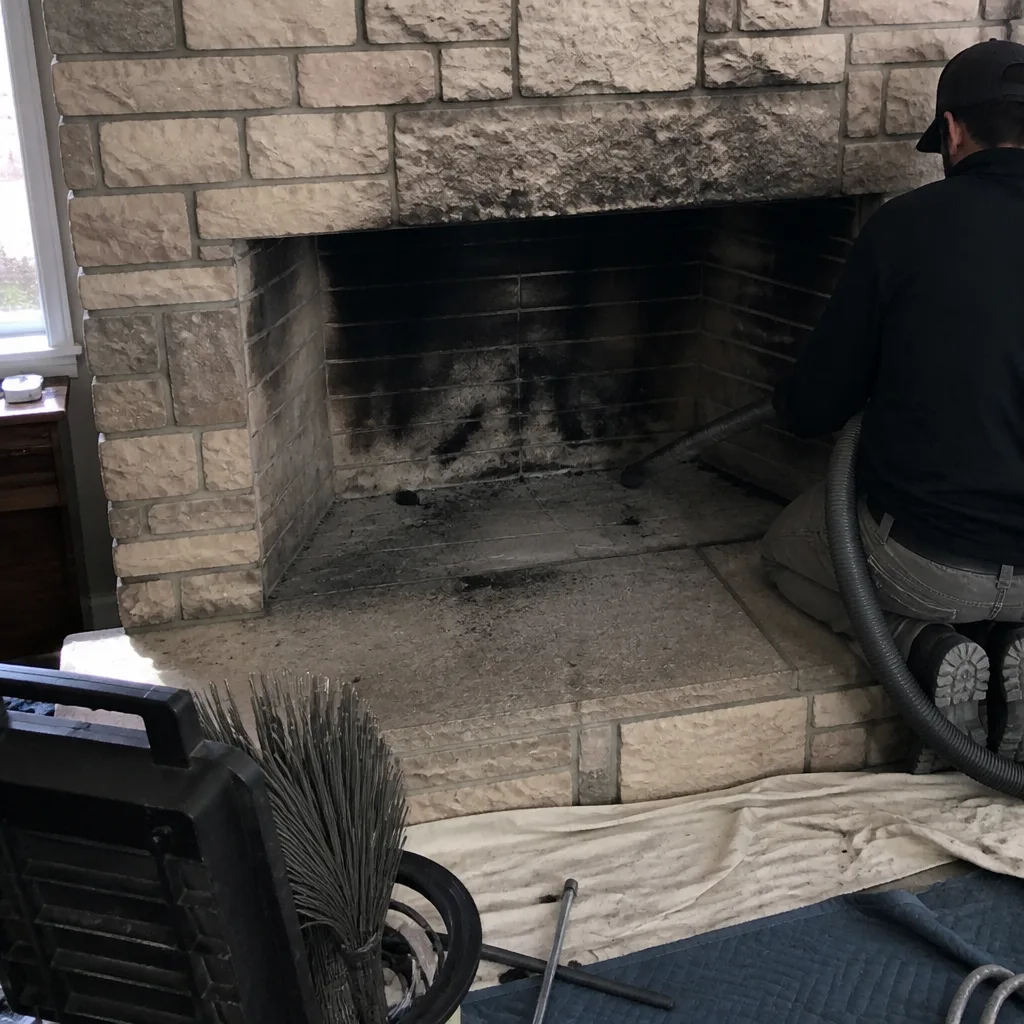 Before
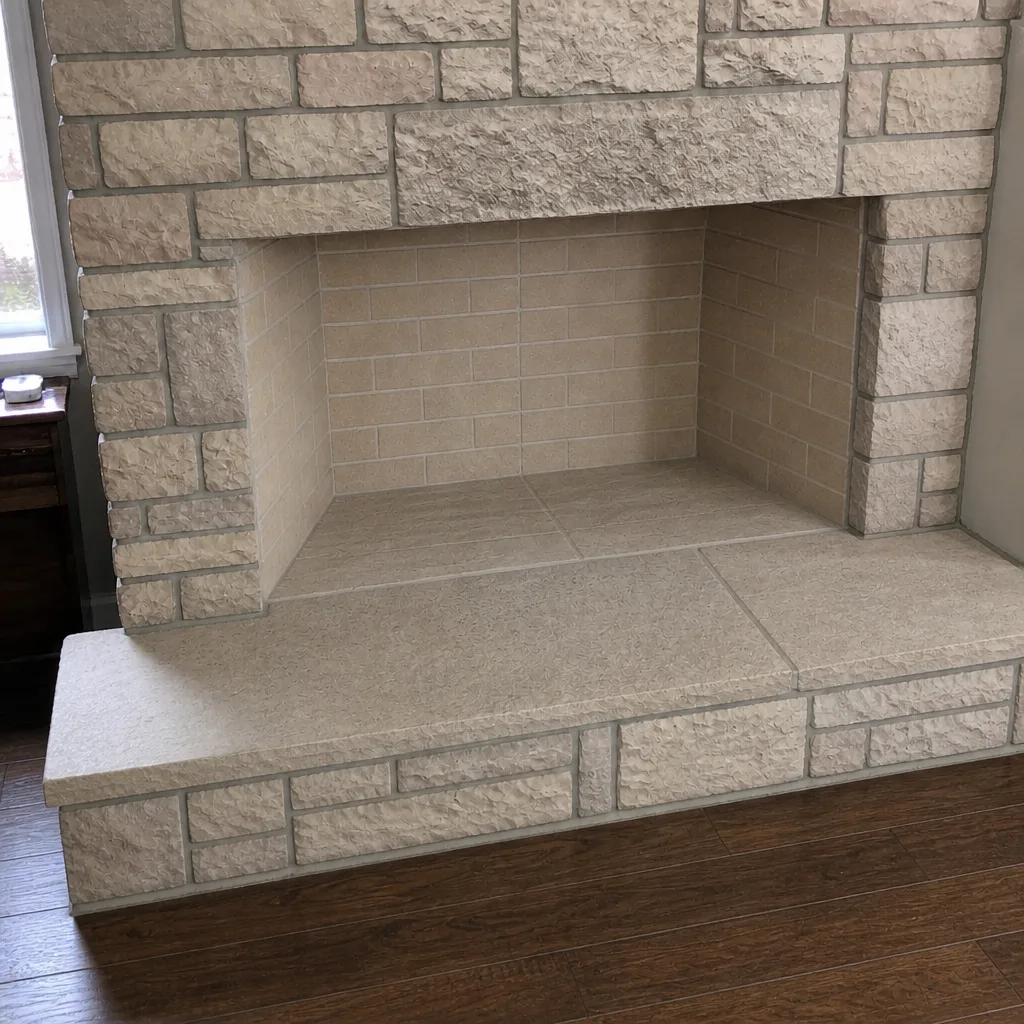 After
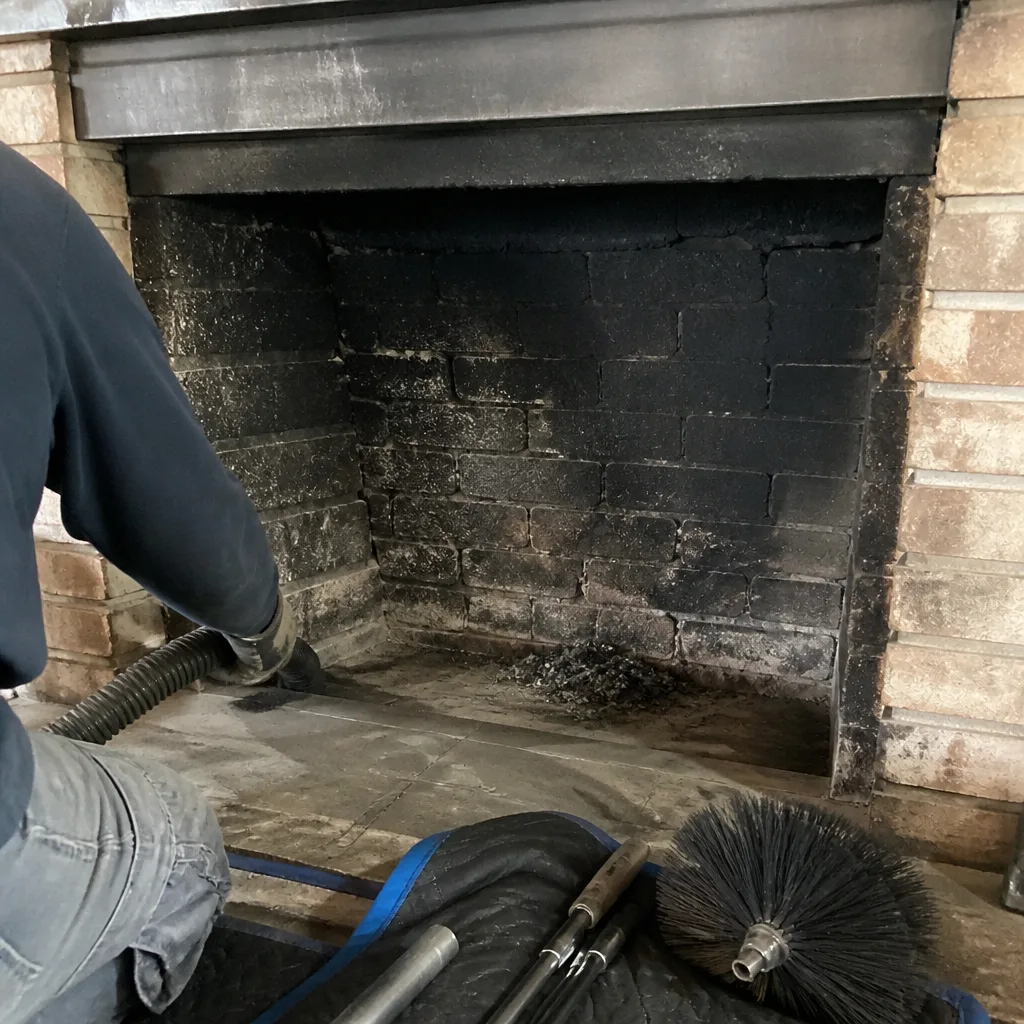 Before
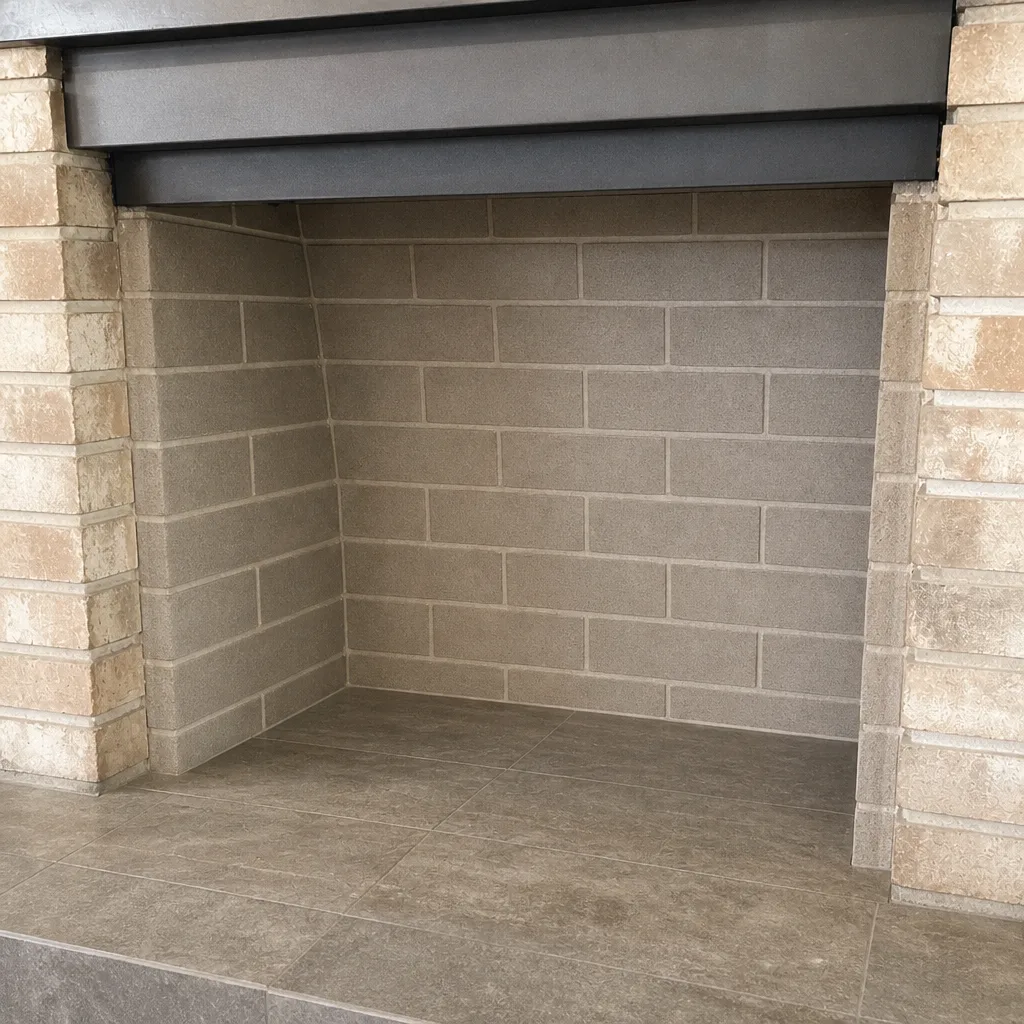 After
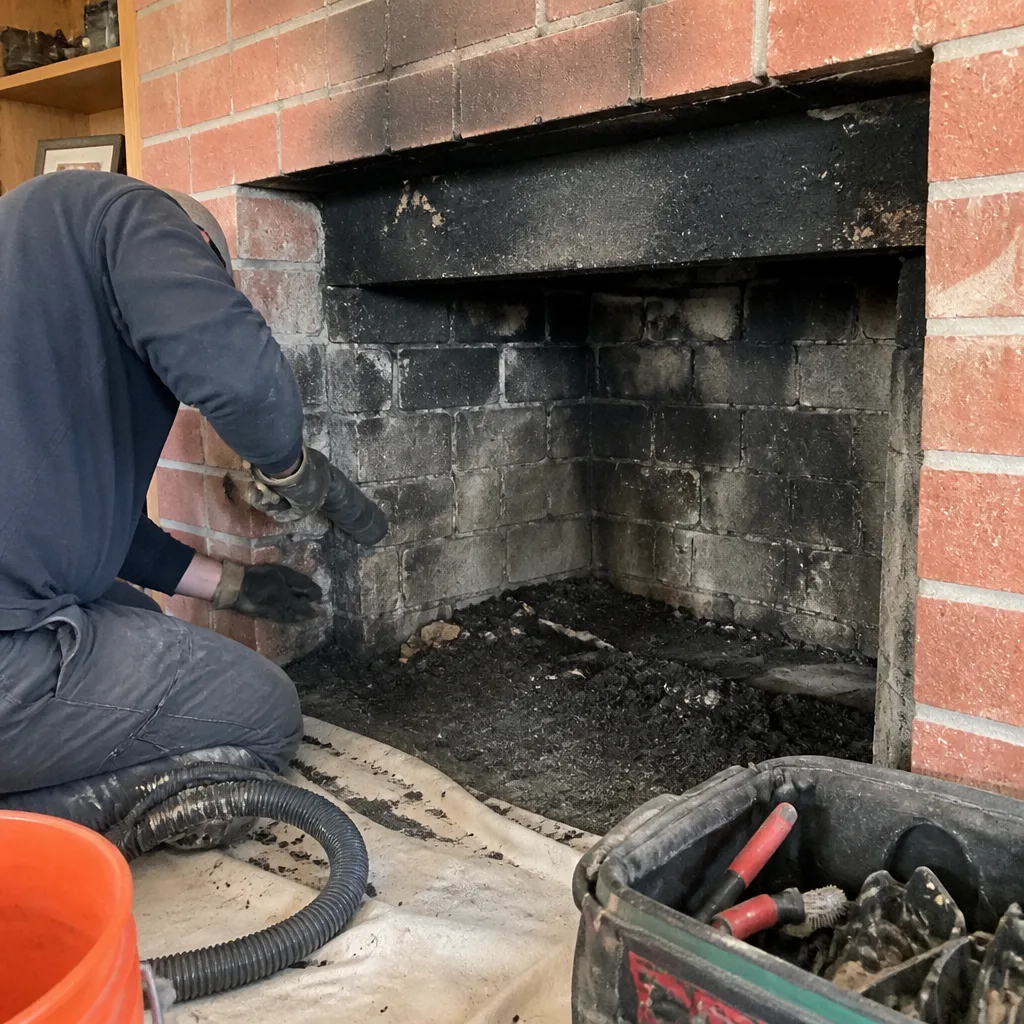 Before
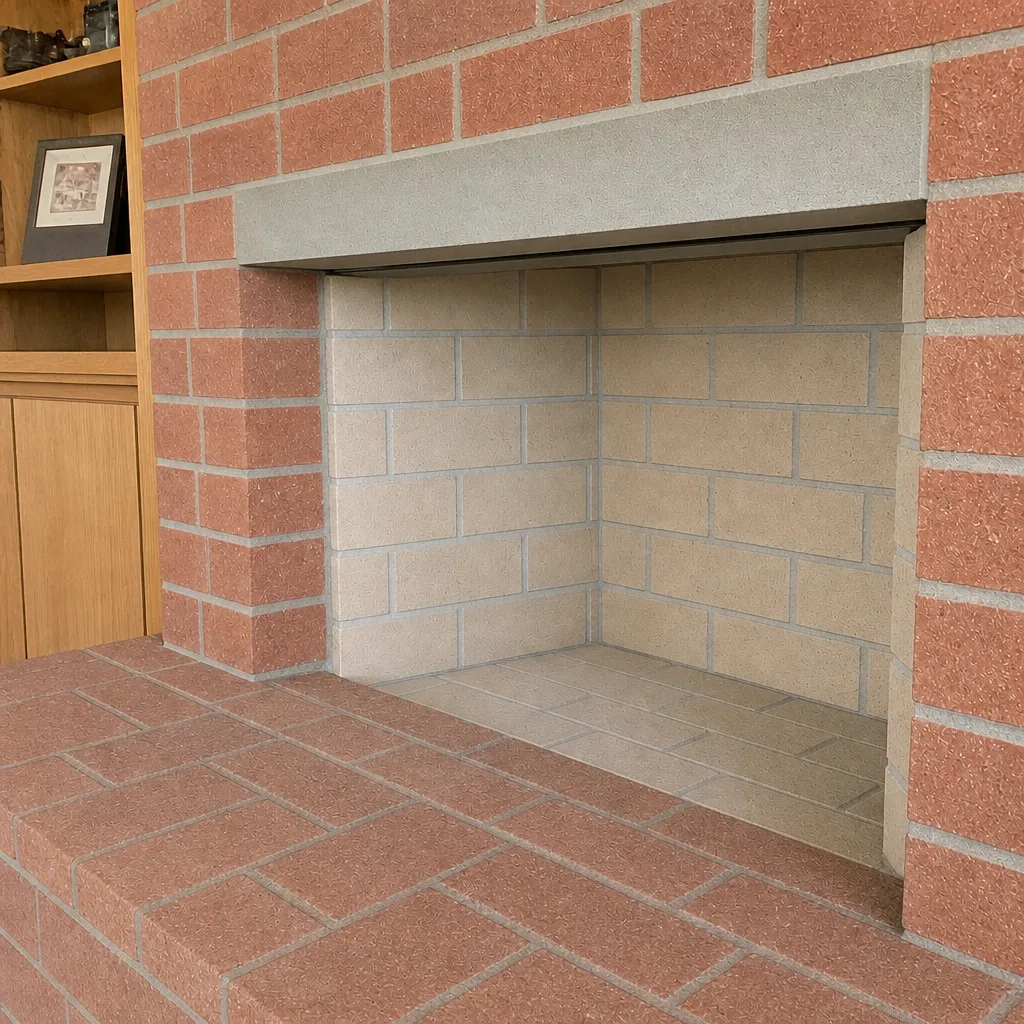 After
When to Call a Professional
Some issues are DIY territory. Chimney product selection rarely is. Call a professional when you notice moisture staining on the chimney exterior, efflorescence on the brick, a damp smell near the fireplace, or visible cracking in the firebox. Call when your last sweep suggests liner damage, when a store-bought creosote product has already been tried without success, or when a previous contractor recommended a repair without showing you camera footage. The safety stakes are high: creosote glazes are a leading cause of chimney fires, and improper repair products applied to a flue can fail under heat. Chimney Sweep Nampa offers free estimates in Nampa – call (888) 854-6163. We tell you what we find, and nothing is recommended that we can’t show you on camera.
Frequently Asked Questions
The most common professional lines in chimney work are Rutland, ChimneySaver, Anti-Creo-Soot, and SureCrete for cleaning, waterproofing, and repair products, plus HeatShield, Gelco, Olympia Chimney, and Famco for liner and component work. These are supplied through professional channels and come with technical data sheets. A contractor should be able to name what they use and explain why it fits your flue.
Not usually for anything past light deposits. Retail creosote products are formulated for homeowner application with no instrumentation, which limits their strength. Professional technicians have access to stronger modifiers combined with mechanical removal tools. For glaze-stage creosote, the modifier alone is rarely enough, so the combination matters more than the product.
You can, but the risk is high if the diagnosis is wrong. The most common failure is sealing over active moisture and trapping it in the masonry. Vapor-permeable formulations exist in retail channels, but choosing the right one and applying it at the right time of year in Nampa’s climate takes judgment. A professional inspection before application is the safer path.
Yes. Liner materials differ in temperature rating, warranty terms, and how well they handle the specific flue material in your chimney. Brands like Olympia Chimney, HeatShield, Gelco, and Famco are specified in the trade because they publish performance specs. The installer’s technique matters as much as the brand; a great liner installed poorly will still fail.
Ask for the diagnosis in writing and for camera evidence of the finding. A product recommendation should trace back to a specific observation: cracked crown, missing flashing, porous masonry, visible damage from the sweep. If the technician can’t show you the finding, the recommendation is worth a second opinion. Call (888) 854-6163 for a free estimate – we’ll walk you through what we find.
Usually yes, but the cost difference is small compared to the cost of a failed repair. Professional products are formulated for the cure times, temperature ranges, and permeability specifications a working chimney requires. A consumer product that fails early means paying for the correct repair plus the removal of the failed material, which rarely works out cheaper.
The Bottom Line
Chimney cleaning brands don’t matter in a vacuum. What matters is whether the product you’re buying fits the diagnosis, the flue material, and the climate here. Stick with professional lines – Rutland, ChimneySaver, Anti-Creo-Soot, SureCrete, HeatShield, Gelco, Olympia Chimney, Famco – and hold any recommendation to a specific finding. Ask what the product is, why this one for your chimney, what the warranty says, and whether it’s compatible with what your flue is made of. If a contractor can’t answer those questions, the product wasn’t the problem. The process was. For a full-scope chimney and venting specialist serving Chimney Sweep Nampa homeowners, we’re set up to answer those questions with camera evidence and a written estimate before anything gets applied.
Call us at (888) 854-6163 for a free estimate. We answer 24/7. Fast dispatch from 7am to 7pm, Sunday through Friday.
Written by the team at Chimney Sweep Nampa.