
Last updated November 15, 2026
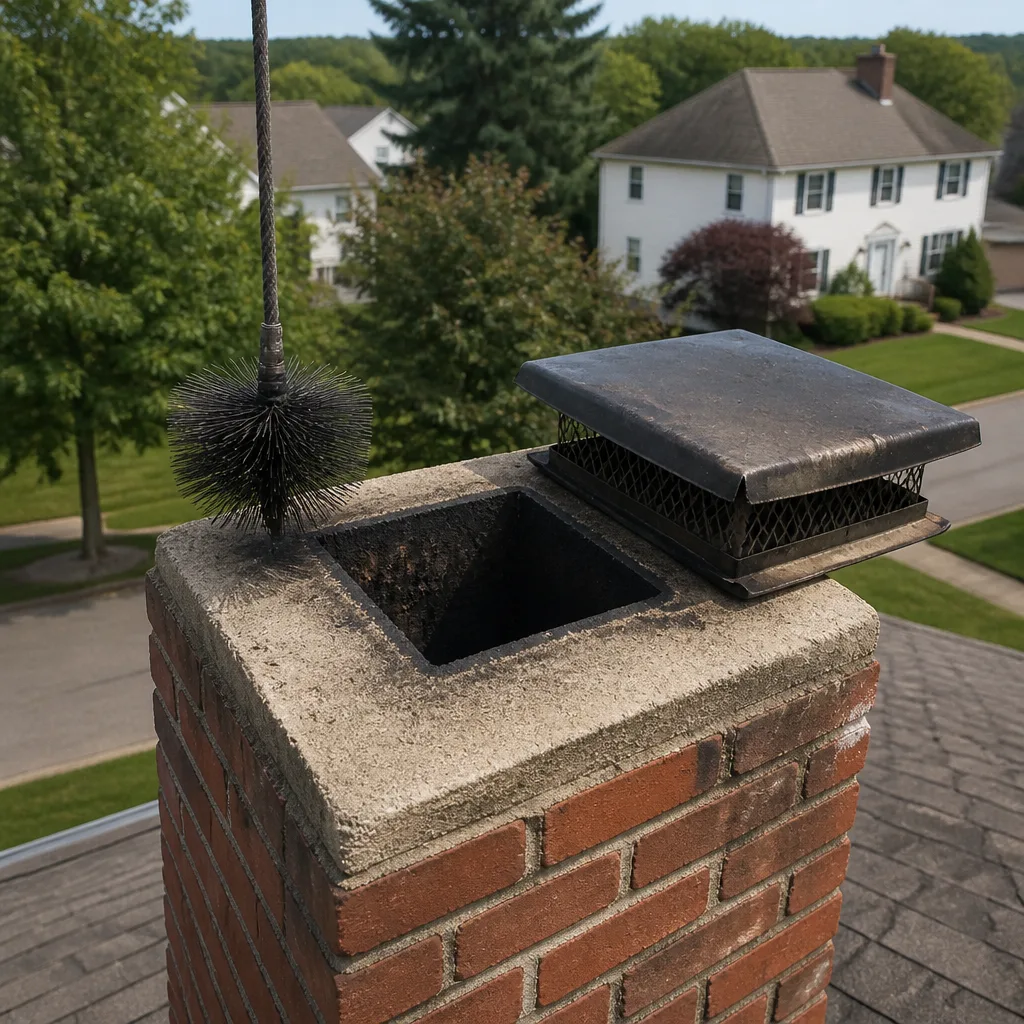 Sweep & inspection
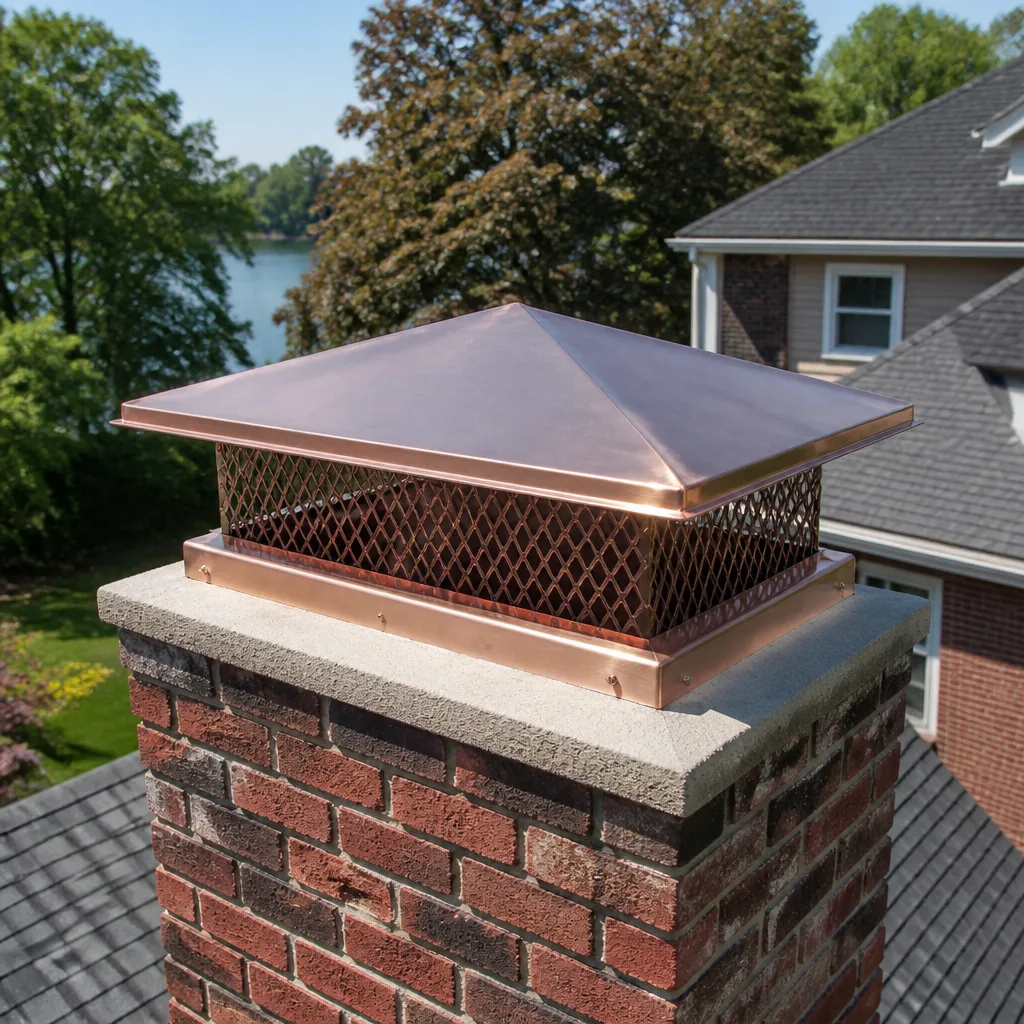 Caps & crowns
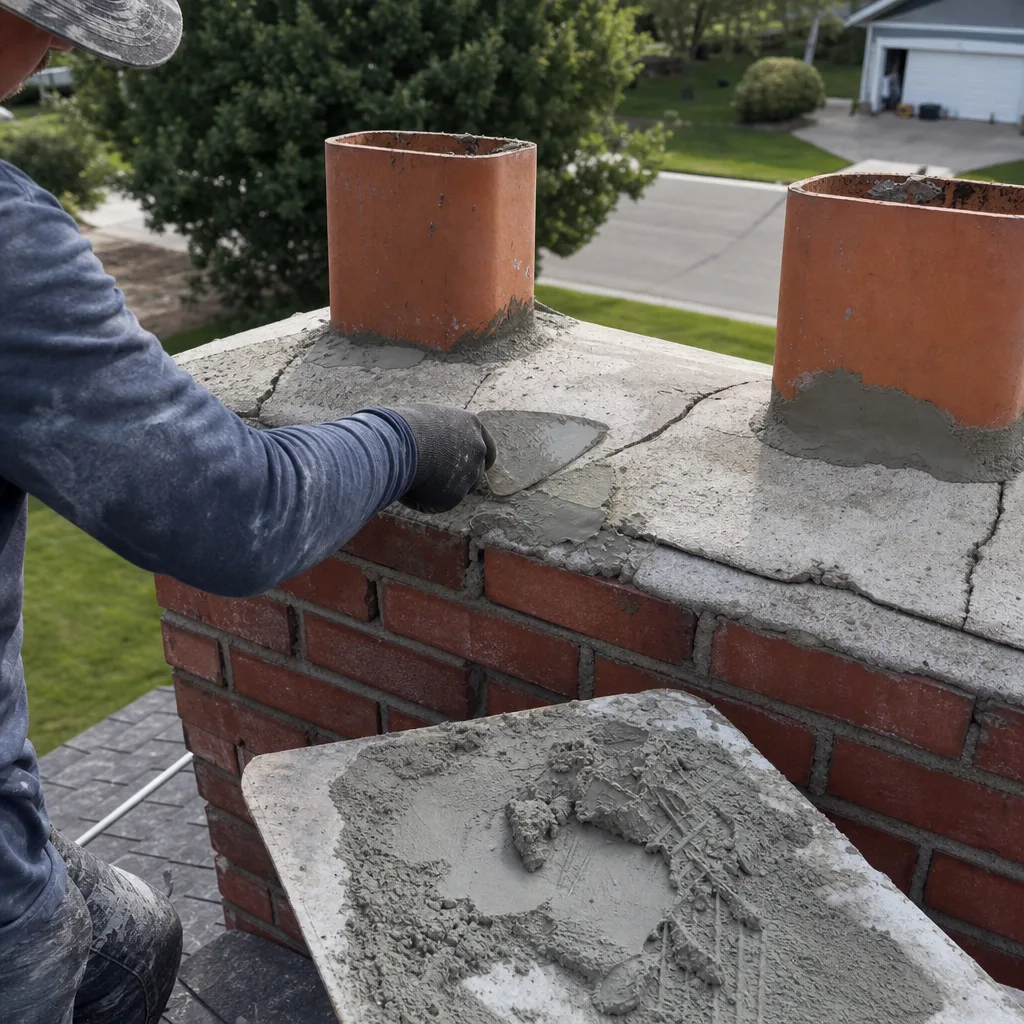
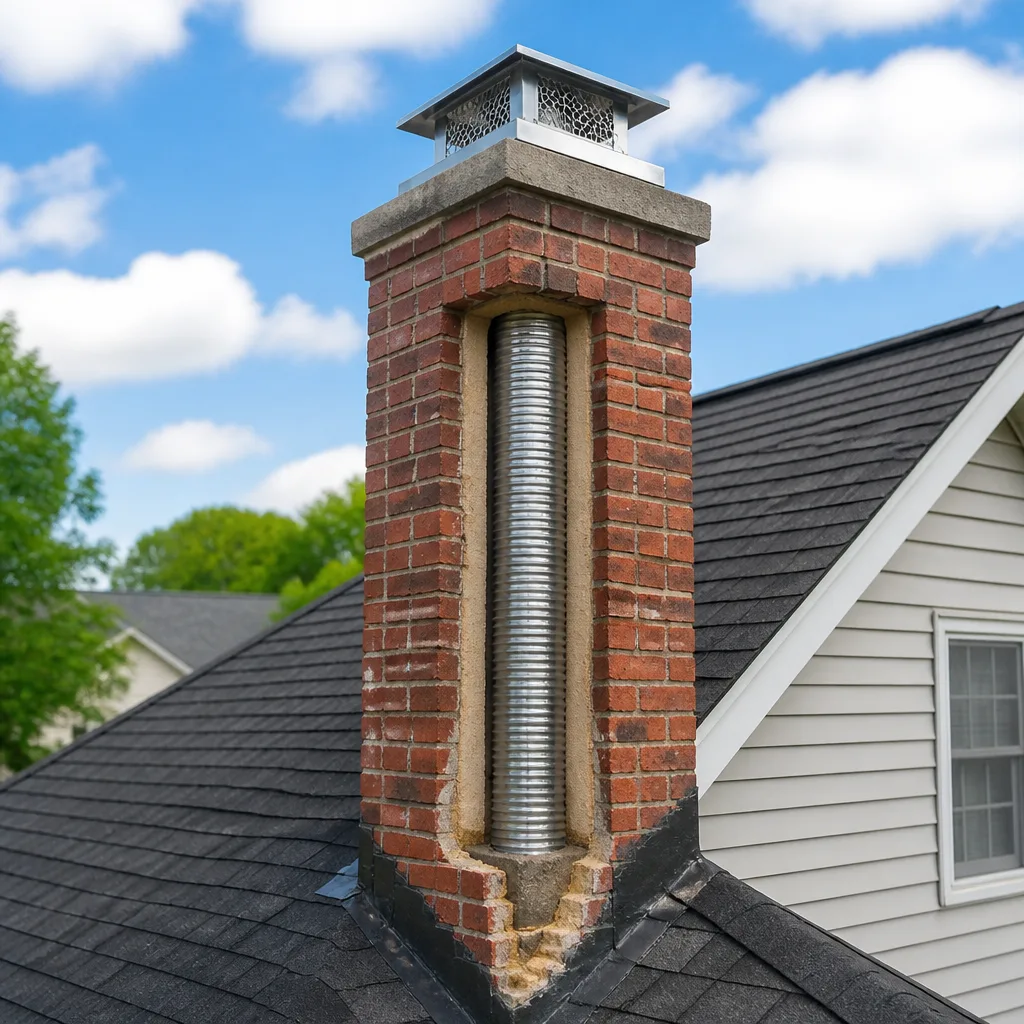 Flue relining
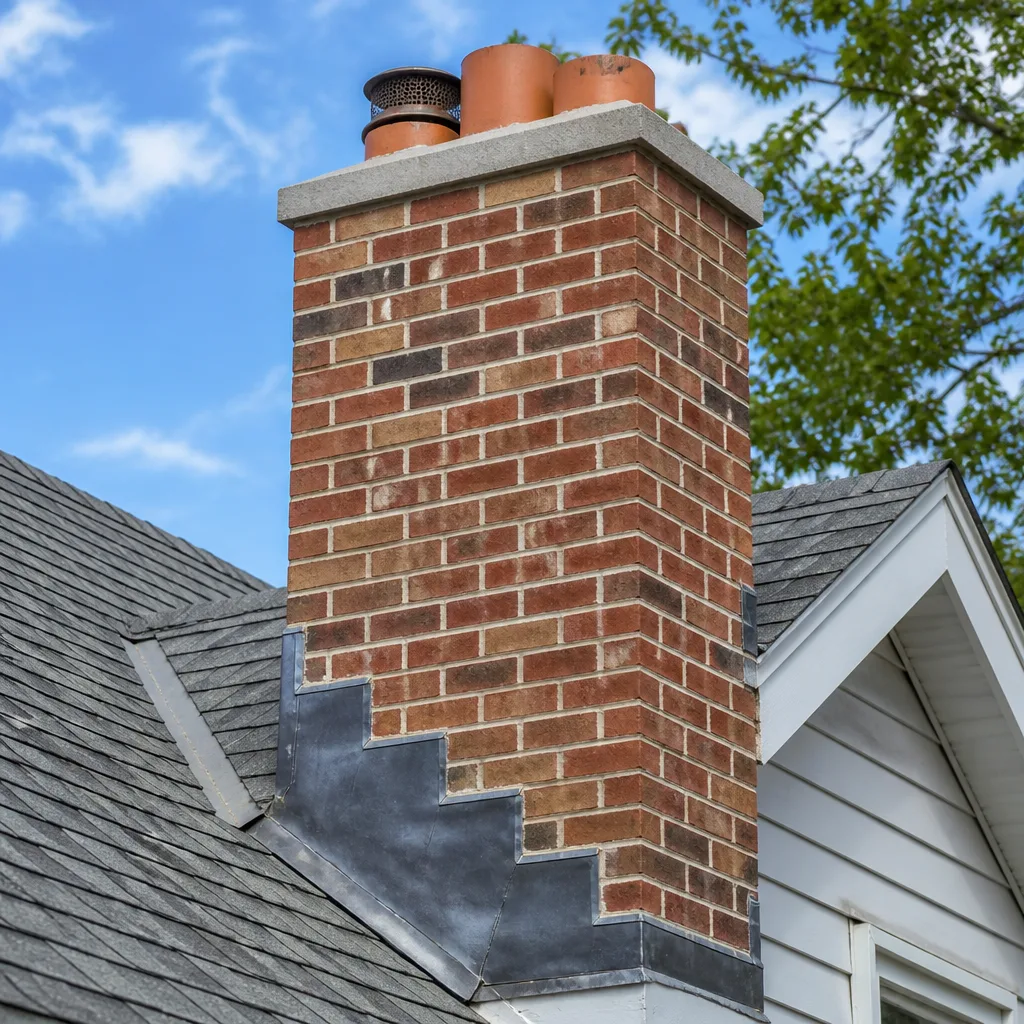 Masonry repair
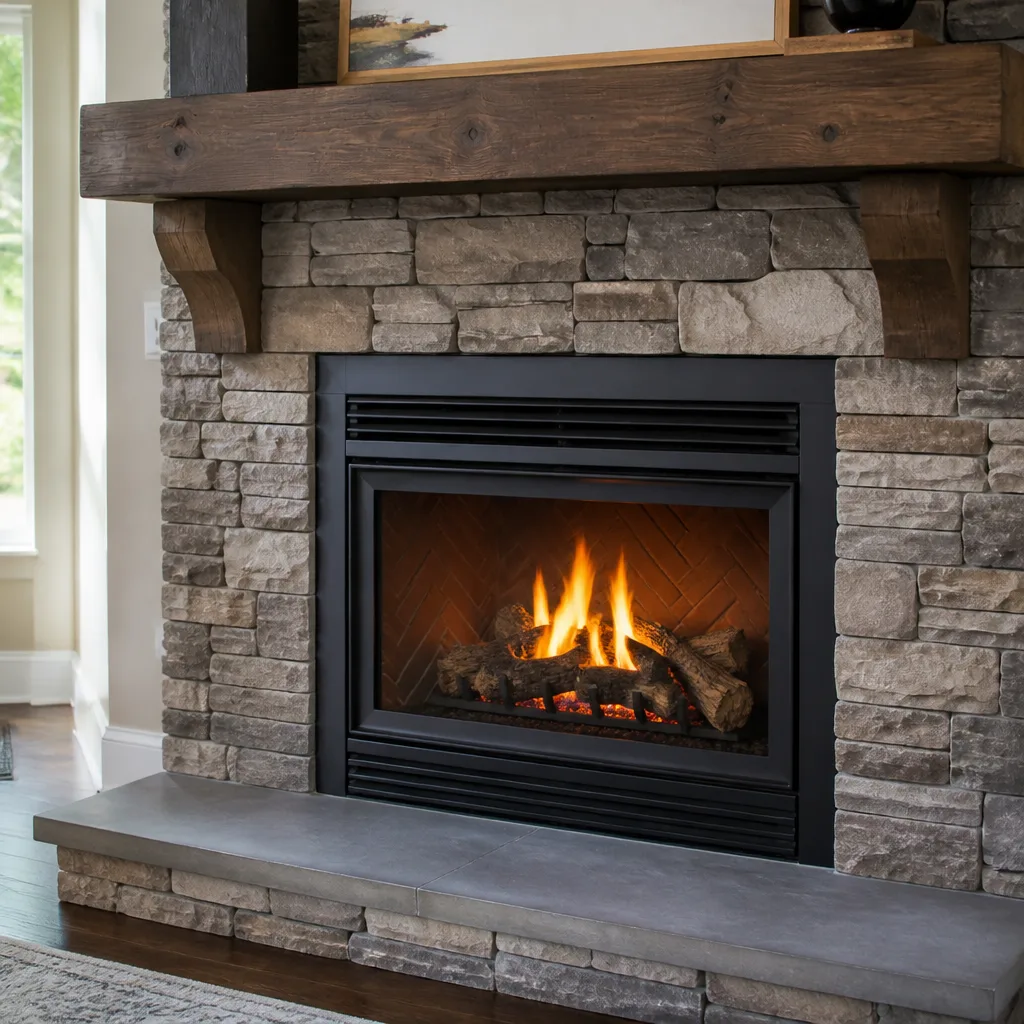 Gas fireplace service
Level 1 sweep and inspection to the NFPA 211 annual standard - flue, crown, cap, and flashing checked and photographed
Chimney sweep logs do not sweep chimneys. They loosen some creosote - which then falls where a brush and vacuum still have to collect it.
Chimney Cleaning Emergency Preparedness Guide for Nampa Homes
Most homeowners think they’ll know a chimney fire when they see one. In our experience, that’s the most dangerous assumption in the house. A flue fire can hit 2,000°F inside the chimney and burn itself out in under ten minutes, often with no flames visible at the top and nothing but a low roar you might mistake for wind in the eaves. The homeowners who came through with a cracked liner but a standing house were the ones who acted on the right signals in the first few minutes. This guide walks through exactly that: what to do during a chimney fire, a carbon monoxide event, or a sudden backdraft, how to tell them apart, and what has to happen before you light another fire in Nampa.
Quick Answer
If you suspect a chimney fire: get everyone out of the house, call 911, close the damper and the fireplace doors if you can do it safely on the way out, and do not throw water into the firebox. After the fire department clears the scene, do not relight until a Level 2 inspection confirms the flue liner, damper, and surrounding structure are intact. For carbon monoxide, leave immediately and call 911 from outside; for a smoke backdraft, open a nearby window, check the damper, and let the fire settle before relighting.
Styles & brands we work with
- Sweep & inspection
- Caps & crowns
- Flue relining
- Masonry repair
- Gas fireplace service
Table of Contents
- What to Do in the First Ten Minutes of a Chimney Fire
- How to Recognize a Chimney Fire When You Can’t See Flames
- Carbon Monoxide vs. Backdraft: Telling Them Apart and Responding
- What to Tell the Fire Department When They Arrive
- Post-Emergency Protocol: The Level 2 Inspection Before Relighting
- Building a Preparedness Kit and Prevention Routine for Nampa
- Dryer Vent Emergencies: The Other Exhaust System in Your Nampa Home
What to Do in the First Ten Minutes of a Chimney Fire
Structure your response. In the first ten minutes of a chimney fire, your job is not to put out the fire yourself. Your job is to protect the people in the house and to give the fire department a scene they can work with. Here is the sequence we walk Nampa homeowners through.
- Get everyone out first. Before you touch a damper, before you call anyone, get every person and pet out the nearest exit and to a spot away from the chimney side of the house. If the flue is compromised, the chimney itself can fail, and standing under it is the wrong place to be.
- Call 911 from outside. Use a cell phone. Do not call from inside the house. Tell the dispatcher it’s a chimney fire, give the address, and stay on the line until they tell you to hang up.
- Close the fireplace doors and the damper if you can do it on your way out. This is a judgment call, and it only happens on your way to the door. Closing the damper starves the flue of oxygen, and closing glass doors limits how much room air feeds the fire. If the firebox is already roaring or the doors are hot to the touch, skip this step. Your life is worth more than the liner.
- Do not throw water into the firebox. This is the step people get wrong. Water hitting a flue that’s sitting at 1,500°F or higher can crack a clay tile liner instantly from thermal shock, and it can send a cloud of steam and soot back into the room. A cracked liner is a $2,000+ repair. A liner failure that lets fire into the framing is a rebuild. Water makes both more likely.
- Do not close the glass doors on a heavy fire if you weren’t already going out. Panic-closing a hot door onto an active fire concentrates heat on the glass and the frame. If you’re already outside, stay outside.
- Wait for the all-clear. Do not re-enter the house until the fire department tells you the scene is safe. Even after the fire is out in the flue, hot spots and carbon monoxide can persist for hours.
That sequence is the whole protocol. It sounds simple because it is. What makes the difference is rehearsing it once with your household so nobody’s deciding what to do for the first two minutes while the fire is climbing the flue.
How to Recognize a Chimney Fire When You Can’t See Flames
Most chimney fires in Nampa homes are small, short, and invisible from the ground. A low-fuel flue fire can burn for three or four minutes, put out almost no visible smoke, and go out on its own. It still cracks tile, warps dampers, and loosens mortar joints. The damage is what you have to catch, and you catch it by recognizing the signs.
- Popping or cracking sounds. This is the most common early signal. It sounds like a series of small firecrackers or a low continuous rumble inside the chimney, not the ordinary crackle of a burning log. If you hear it, treat it as a fire until a professional tells you otherwise.
- A roaring draft. The airflow through the firebox becomes a low howl. It’s the sound of the chimney pulling air up a flue that’s now a lot hotter than it was thirty seconds ago.
- Dense smoke or a strong smell from the chimney top. Step outside. If you see thick gray or black smoke pouring from the cap with no ordinary wood-smoke smell behind it, that’s the classic signature.
- Pieces of creosote on the roof or in the yard. Burning creosote flakes off the flue walls and can land on the roof or gutter. If you find curled, black, brittle flakes the size of a coin or larger outside after a fire, that’s a strong sign a flue fire occurred even if you didn’t notice it.
- Warped damper or a heat-discolored cap. A damper that suddenly won’t close, or a cap that’s blued or warped, tells you the flue got much hotter than normal.
- Smoke in the room that doesn’t clear. A persistent backdraft with no obvious cause can be the tail end of a flue fire that’s compromised the liner or the crown.
If you’re not sure what you’re hearing, the answer is not “wait and see.” The answer is a same-day inspection. A professional can look up the flue with a camera and tell you in fifteen minutes whether a fire event has happened. Our technicians have up to 9 years of experience reading exactly these signs, and we’ve never regretted being called out on a “maybe” fire.
Carbon Monoxide vs. Backdraft: Telling Them Apart and Responding
These two events are often lumped together, and that’s a mistake. Carbon monoxide comes from incomplete combustion and can build up in any house with a wood stove, a gas insert, or a furnace flue, whether or not a fire is burning. A backdraft is a smoke event caused by a pressure reversal: the house is pulling air down the chimney instead of pushing it up. The symptoms overlap, but the correct response and the follow-up work are different.
Carbon monoxide
CO is odorless. You won’t smell it, you won’t see it, and you won’t taste it. What you will notice, if you notice anything, is headache, dizziness, nausea, confusion, or unexplained drowsiness in more than one person in the house at the same time. If you have a CO alarm and it goes off, get everyone out, including pets, and call 911 from outside. Do not open windows first, do not try to find the source, do not go back in for the phone. If you don’t have a CO alarm and you’re asking yourself whether you might have CO, the answer is to leave and call. The alarm is a twenty-dollar piece of hardware. The alternative is not.
Smoke backdraft
A backdraft announces itself with smoke in the room, a smell of wood smoke coming from the wrong direction, and a fireplace that “spits” when you light it. Common causes in a Nampa home: a closed or partly closed damper, a cold flue on a freezing morning, a downdraft from a nearby ridge or a taller neighbor’s roofline, or negative pressure from a kitchen or bath exhaust fan running at the same time. The correct response is to open a window on the same side of the house as the fireplace, check that the damper is fully open, and let the flue warm up for fifteen minutes before starting a fire. Never light a fire when the smoke is already going the wrong way. If the backdraft keeps happening on still, cold mornings, the cause is usually venting or flue height, and it needs a professional look.
- CO event: leave, call 911, do not try to vent the house yourself, wait for the fire department.
- Backdraft: open a window, confirm the damper, wait for the flue to warm, do not relight if it continues.
- When in doubt: treat it as a CO event. The cost of being wrong about backdraft is a cold fireplace. The cost of being wrong about CO is a lot worse.
What to Tell the Fire Department When They Arrive
When the fire department pulls up, you know things about your house that they don’t. Give them that information fast. It shortens the work and it keeps everyone safe.
- What you were burning. Seasoned wood, green wood, a manufactured log, or paper. Manufactured logs can burn hotter and longer in a flue, and the crew wants to know.
- How long the fire was going before you called. An estimate in minutes is enough. They’re building a picture of how hot the flue got.
- Whether you’ve had the chimney swept, and roughly when. “Never” is a perfectly fine answer and it matters. A flue with a heavy creosote load behaves differently than a recently swept one.
- Whether anyone smelled smoke in the house before the event. This changes the search pattern inside.
- Whether there’s a gas appliance or insert connected to the same flue. A wood insert and a gas appliance sharing a flue is unusual but it happens, and the crew needs to know.
- Whether anyone is still inside. Confirm every person and pet is accounted for and out. Say it clearly.
What not to do before they clear the scene: don’t open the damper back up to “let it breathe,” don’t climb on the roof to look down the flue, don’t spray a fire extinguisher up into the firebox (dry chemical in a hot flue is its own headache), and don’t start moving furniture or cleaning. Stay out of their way and let the crew work. When they tell you the scene is safe, you can go back in, and that’s the moment the real work begins.
Post-Emergency Protocol: The Level 2 Inspection Before Relighting
Do not light another fire until a Level 2 inspection has been done. This is not a suggestion. Even a fire that burned out on its own inside the flue can leave a hairline crack in a clay tile, a warped damper frame, or a gap in the mortar that looks fine from the firebox but isn’t. A Level 2 inspection is the standard post-event check, and it’s what a professional sweep will recommend before any Nampa home relights after a suspected or confirmed chimney fire.
Here’s what a Level 2 inspection involves and what it’s looking for:
- A camera inspection of the full flue length. Video from the firebox up through the cap, with still photos of any defect. You see what we see. That’s the whole point.
- Liner integrity. Cracks, spalling, missing mortar joints, and gaps at tile seams. Any of these means the liner has to be addressed before the chimney is safe to use.
- The damper and smoke chamber. A warped damper frame or a smoke chamber that’s lost refractory coating is a common post-fire finding.
- The crown and flashing at the roofline. Heat and water work together on the crown. A cracked crown that was fine before a fire can leak into the attic within a season.
- Joints where the chimney meets the house. Combustible framing near a hot chimney is where fires spread. The inspection checks clearances.
- The firebox itself. Refractory panels, brick spalling, and the fireback are all inspected.
If the inspection reveals damage that the camera can see but can’t fully explain, the next step is a Level 3 inspection. A Level 3 involves opening up construction, in the attic, the wall, or the roofline, to look at concealed parts of the chimney. It’s triggered by a strong indication of a hidden hazard, not by routine findings. If your sweep recommends a Level 3, ask what the camera showed that led to it. Any reputable inspection will have a photo and a specific defect to point to.
Scheduling matters. If you need us to come out and look, call (888) 854-6163. We answer 24/7. Fast dispatch from 7am to 7pm, Sunday through Friday.
Building a Preparedness Kit and Prevention Routine for Nampa Homes
Preparedness is mostly things you do before there’s an emergency. Here’s a checklist we’ve walked through with a lot of Nampa homeowners who wanted the answer in writing.
- Install a CO alarm on every level of the house, and one near every sleeping area. Test them monthly. Replace the batteries when the clocks change.
- Get a chimney sweep on a schedule. For a wood-burning fireplace that’s used regularly during the burning season, an annual sweep is the standard interval. If you burn regularly through the winter, or if you burn green wood, you may need it more often. A chimney sweep in the fall, before the first fire, catches problems when the weather still lets you fix them.
- Keep a fire extinguisher rated for wood fires within reach of the fireplace. Class A is the relevant rating. Check the gauge twice a year.
- Make sure you have working smoke detectors. This sounds obvious till you discover the one in the hall has been chirping for a month because the battery went dead.
- Get a chimney cap installed if you don’t have one. A cap keeps rain, birds, and debris out of the flue, and it makes a big difference in the Treasure Valley, where summer wind and winter storms both do their share.
- Stack firewood correctly. Covered and off the ground, not against the side of the house. Seasoned wood burns hotter and cleaner than green wood, and it makes less creosote.
- Before each fire, open the damper fully and confirm the draft is going up. Light a small starter fire first if the flue is cold.
- Rehearse the response once a year. Two minutes with everyone in the house, showing them the exits, the CO alarm, and where to meet outside. That’s the difference between a plan and a panic.
Our team at Chimney Sweep Nampa works with homeowners across the Nampa area to get the whole safety picture in one visit, from a routine sweep to a full inspection to a liner repair. If you’re not sure what your chimney needs, start with the sweep. What we find in the camera tells us the rest.
Dryer Vent Emergencies: The Other Exhaust System in Your Nampa Home
Chimney fires get the headlines, but the dryer vent is the other exhaust system in a Nampa house that can turn a routine evening into an emergency. The National Fire Protection Association (NFPA) links clogged dryer vents to thousands of residential fires annually. The mechanism is straightforward: lint builds up in the vent run, the dryer exhaust gets hotter, the lint ignites, and the fire spreads into the wall or up through the vent. A single load of laundry can be the ignition source if the vent is already restricted.
The signs a dryer vent is getting dangerous: clothes take longer than one cycle to dry, the top of the dryer is hot to the touch, the outside vent flap doesn’t open fully when the dryer runs, or you smell a burning or scorched odor near the dryer. Any of those is a reason to stop using the dryer and get the vent cleaned.
We handle dryer vent cleaning on the same visit as chimney work, because both are fire-safety exhaust systems and both need to be inspected by someone who knows what a normal vent run looks like versus a restricted one. It’s the same logic as the chimney: we tell you what we find, show you the camera shots, and let you decide what needs to happen and what can safely wait.
Common Mistakes to Avoid
- Throwing water into a hot firebox. It feels like the obvious move. It’s the move that cracks liners, sends soot and steam back into the room, and can turn a flue fire into a structural problem. Don’t.
- Relighting before the inspection. We’ve been called to homes where the homeowner swept the chimney the day after a suspected fire and lit one that night. The sweep can remove creosote, but it can’t tell you whether the tile behind the creosote is cracked. Only a camera inspection does that.
- Assuming no flames means no fire. The low-fuel flue fire is the common one in Nampa, and it’s the one that does quiet damage. If you heard popping, treat it as a fire.
- Not knowing where your CO alarm is. A lot of homeowners can’t tell you off the top of their head. Find it today.
- Skipping a chimney sweep because the fire “worked fine last year.” A fire can work fine right up until the creosote load reaches the ignition point. The sweep is cheap; the liner replacement after a flue fire is not.
- Burning green or unseasoned wood to save a few dollars on firewood. Green wood deposits more creosote per fire, which is exactly the fuel a chimney fire needs.
- Ignoring the dryer vent because the dryer still runs. The dryer running is not the same as the vent being safe. Lint buildup doesn’t announce itself until it does.
See the difference
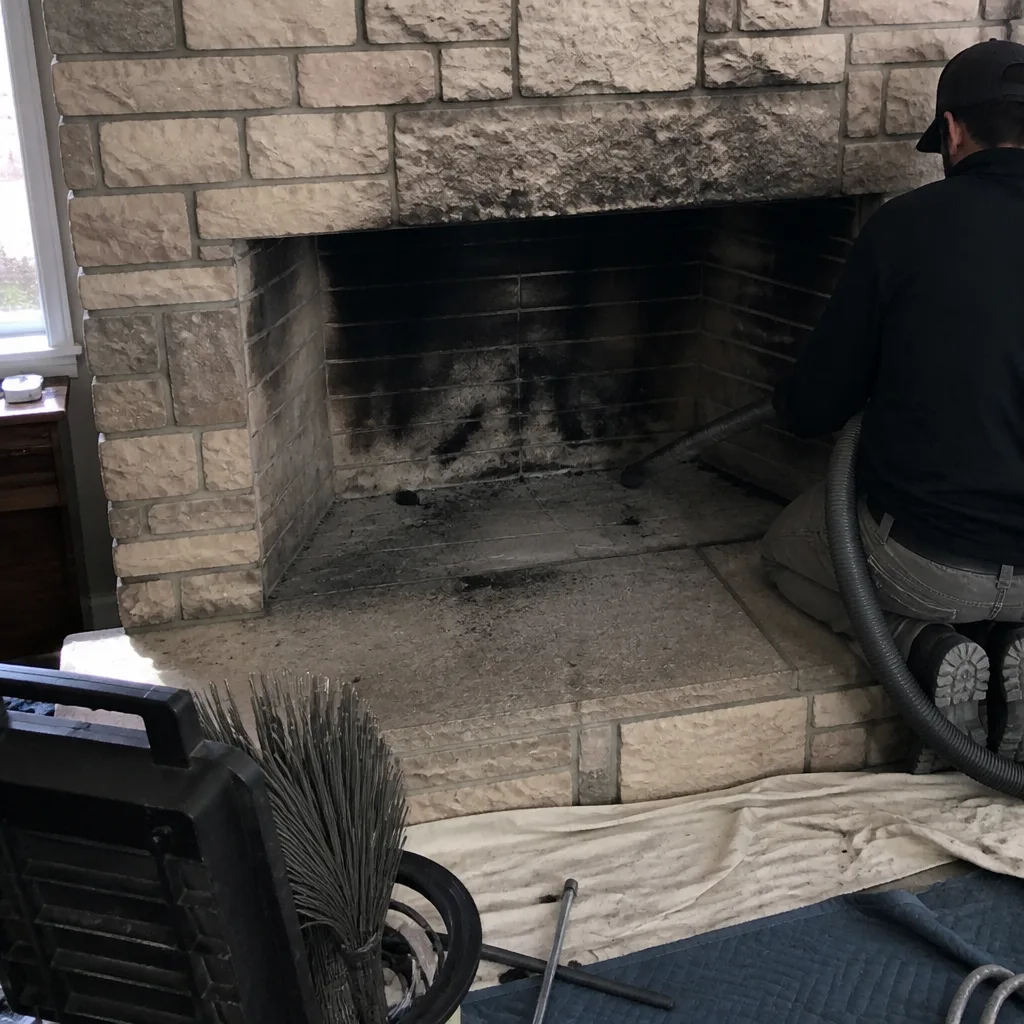 Before
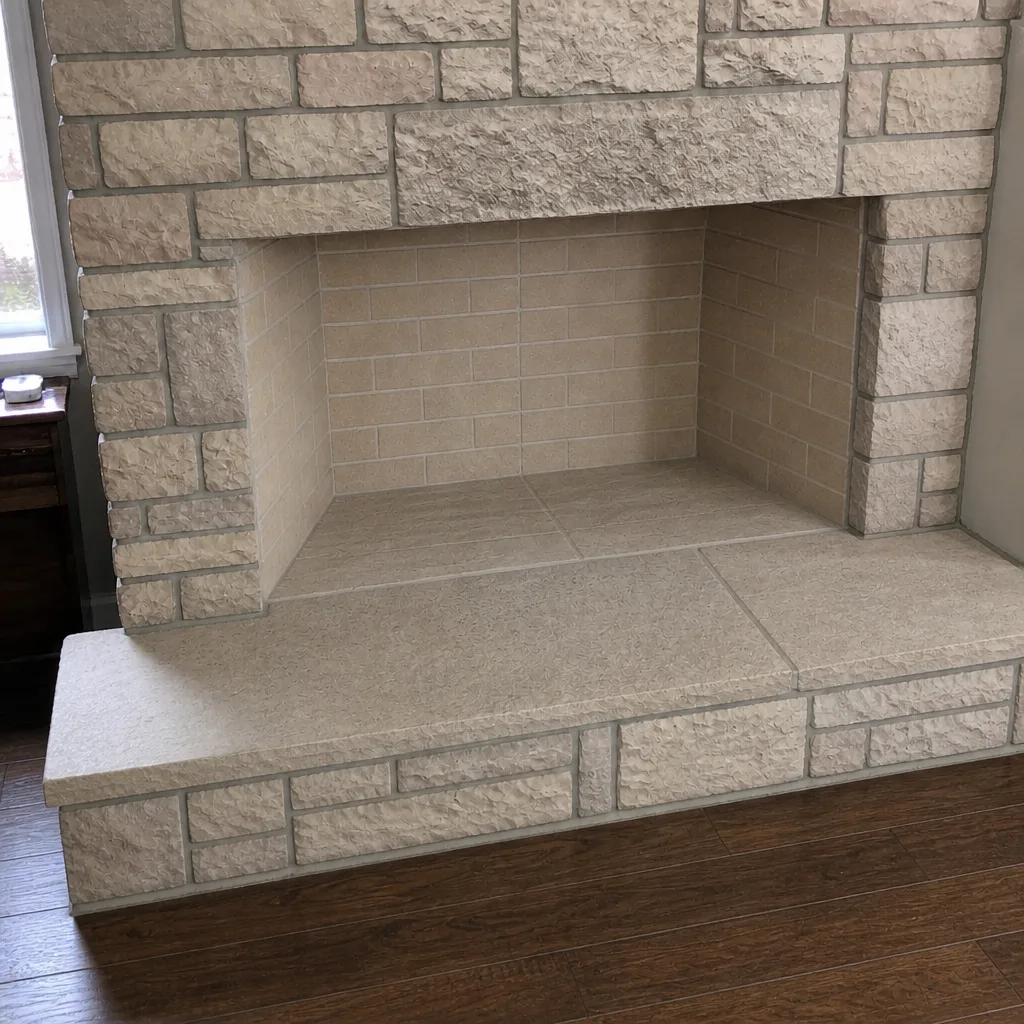 After
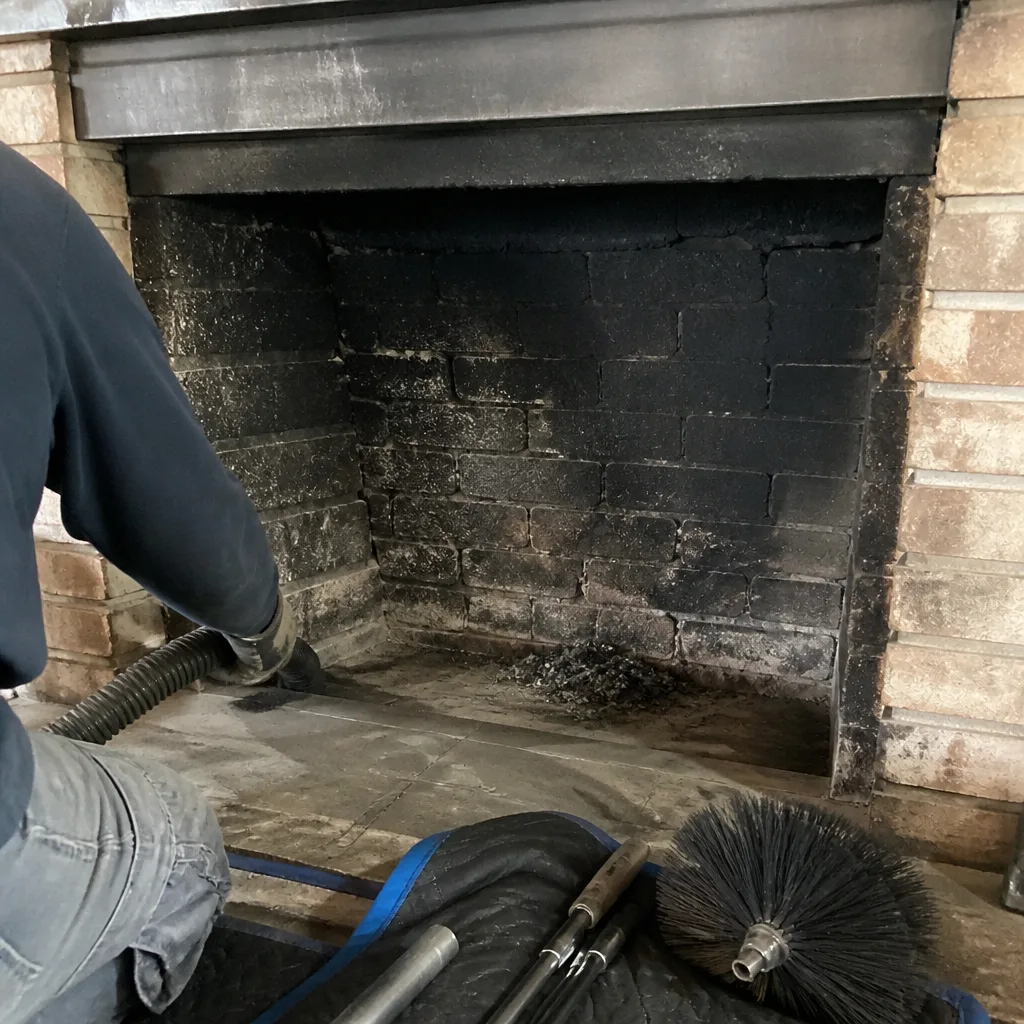 Before
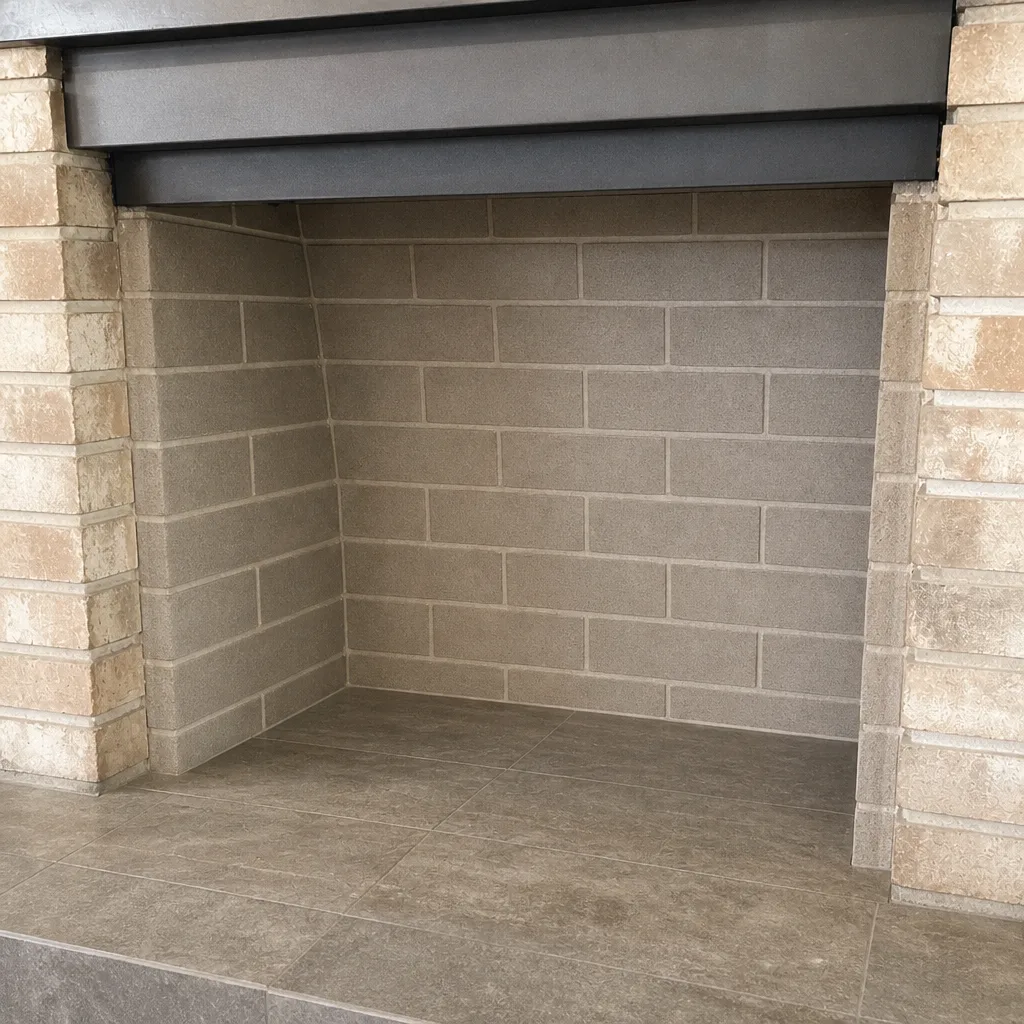 After
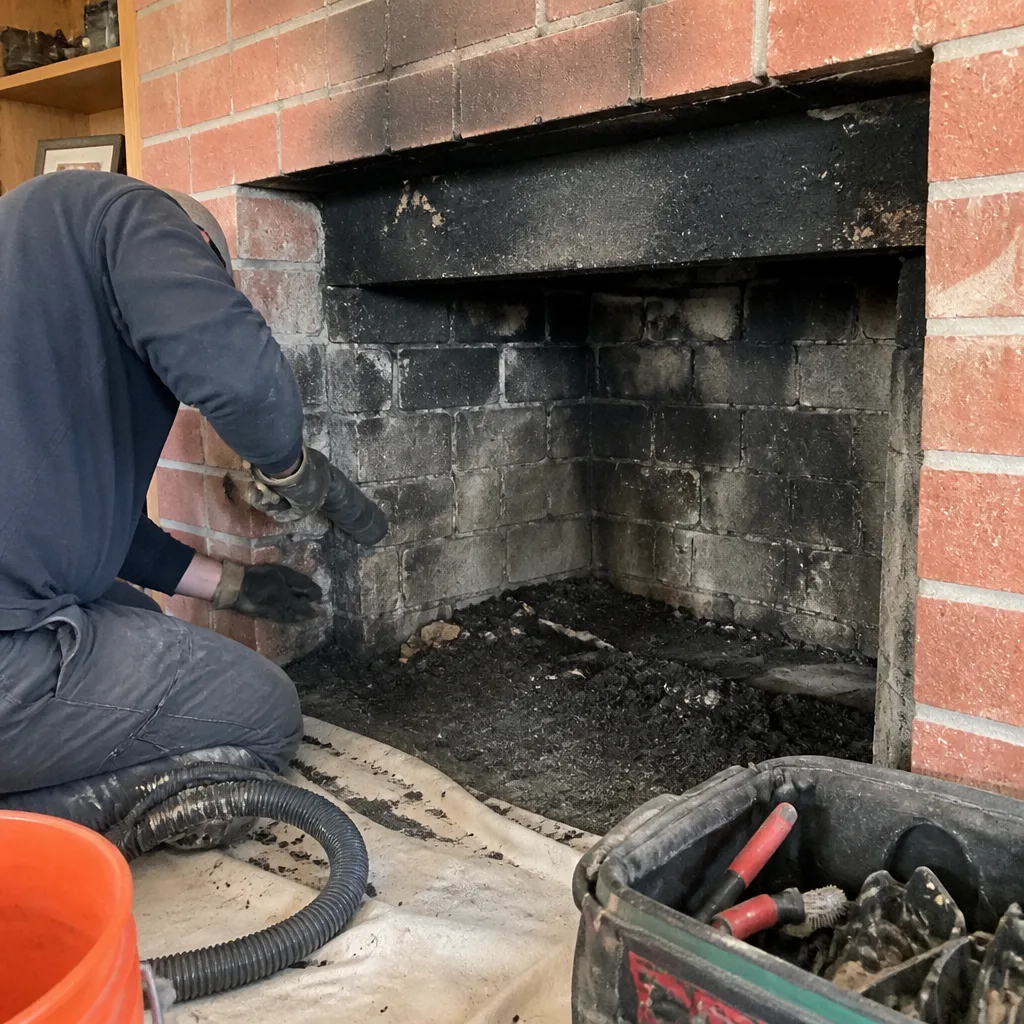 Before
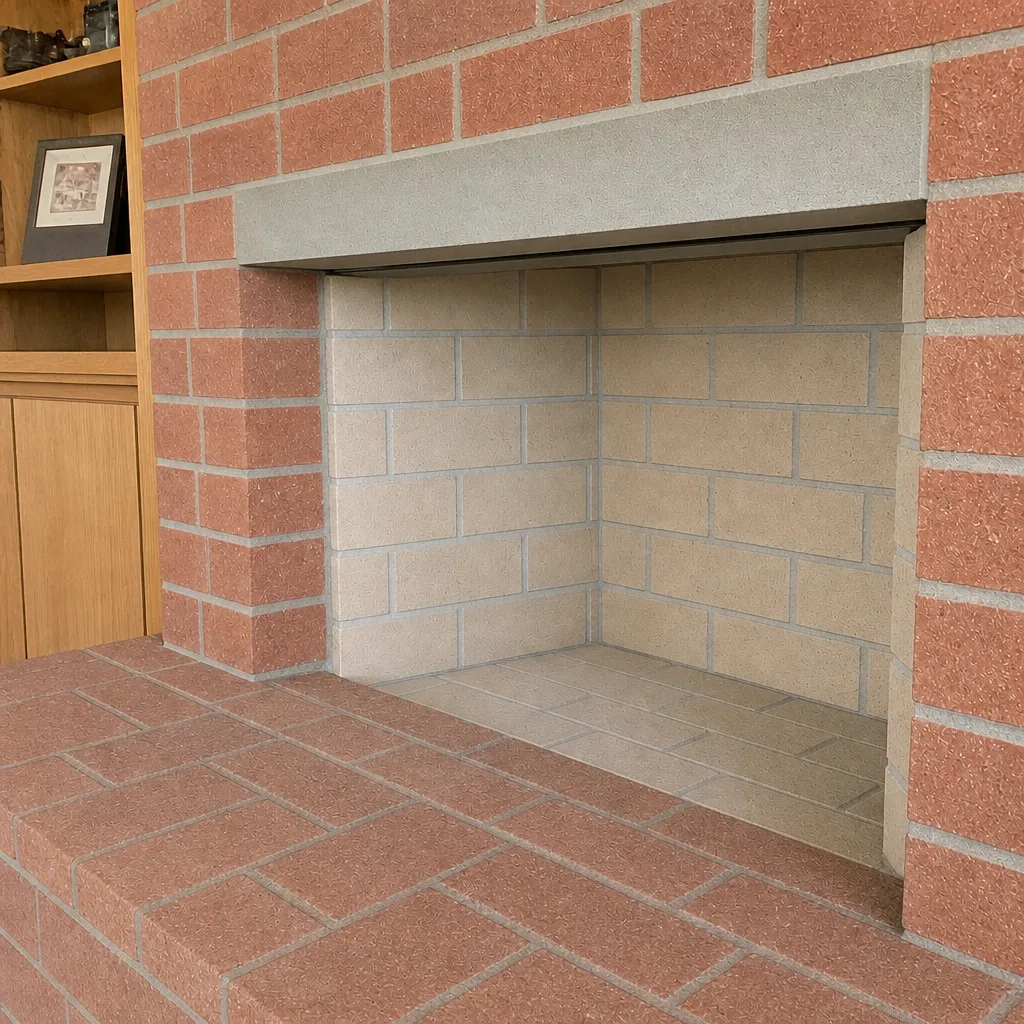 After
When to Call a Professional
Call a professional if you’ve had any of the events in this guide: a suspected chimney fire, a CO alarm activation, a persistent backdraft that doesn’t resolve with a warmed flue, or visible damage to the firebox, damper, or crown. Call if you’ve never had the chimney inspected and you’re burning regularly. Call if your dryer takes more than one cycle to dry a load or the vent flap doesn’t open fully. Call if you’re not sure. A camera inspection is fast, and it answers the “do I really need this?” question with pictures instead of a sales pitch. Chimney Sweep Nampa offers free estimates in Nampa. Call (888) 854-6163. We answer 24/7. Fast dispatch from 7am to 7pm, Sunday through Friday.
Frequently Asked Questions
Get everyone out of the house and call 911 from outside. Protecting the people is always the priority; fire suppression is the fire department’s job, and a homeowner trying to fight a flue fire from the firebox is exposed to a lot of risk for very little benefit. Everything else (closing the doors, closing the damper) happens only on the way out, and only if it’s already safe to do. If you’re ever unsure whether a fire is happening, call (888) 854-6163 and we can walk you through the next step.
Look for the signs: popping or roaring sounds during the fire, thick smoke from the cap with no ordinary wood-smoke smell, curled black creosote flakes on the roof or in the yard, a damper that suddenly won’t close, or a cap that’s warped or blued. Any one of these is a reason to stop using the fireplace and get a camera inspection before your next fire. Call (888) 854-6163 for an exact quote on an inspection after a suspected event.
Once a year is the standard interval for a wood-burning fireplace that’s used regularly during the burning season. Homes that burn heavily or use unseasoned wood may need it more often. A fall sweep, before the first fire of the season, is the easiest schedule to keep. If you’re not sure whether you’re due, call (888) 854-6163 and we’ll help you decide.
CO is an odorless gas from incomplete combustion, and a backdraft is smoke pushed the wrong way by pressure. CO symptoms are headache, dizziness, nausea, and confusion in more than one person; backdraft symptoms are visible smoke in the room and a fire that won’t draw. For CO, get everyone out and call 911. For a backdraft, open a window, confirm the damper, and let the flue warm before relighting. If you can’t tell which one you’re dealing with, treat it as CO. Call (888) 854-6163 if you want a professional assessment afterward.
Yes. A Level 2 inspection is the standard post-fire check, and it’s the only way to see inside the full flue with a camera and confirm the liner, damper, and crown are intact. Without it, you’re lighting fires into a chimney that may have hairline cracks you can’t feel or see from the firebox. It’s not upsell; it’s the check that tells you what your chimney can actually take. Call (888) 854-6163 to schedule a Level 2 inspection.
Creosote keeps building until it reaches the point where a hot fire ignites it, and then you have a flue fire. The flue fire itself may burn out in minutes, but the heat it produces can crack tile, warp steel, and open mortar joints that then let fire into the framing. The sweep is the cheap part. The liner work and the structural repair after a fire event are not. Call (888) 854-6163 for an exact quote before the burning season starts.
The Bottom Line
Chimney emergencies are survivable and the damage is recoverable when the first ten minutes go the right way. Get everyone out, call 911 from outside, close the doors and damper only if it’s safe on the way out, and don’t put water into the firebox. Then don’t relight until a camera inspection has confirmed the flue is intact. The same logic applies to the dryer vent: catch the restriction before it becomes an ignition source. The work is not complicated, the timing is everything, and a professional sweep is your fastest path to answers you can see for yourself. Chimney Sweep Nampa handles sweeping, repair, and dryer vent work across the Nampa area, and we use professional-grade brands like DuraFlex, HeatShield, Gelco, Olympia Chimney, Famco, and Copperfield so the repair matches the diagnosis. Call (888) 854-6163 for a free estimate. We answer 24/7. Fast dispatch from 7am to 7pm, Sunday through Friday.
Written by the team at Chimney Sweep Nampa.