
Last updated November 15, 2026
 Sweep & inspection
 Caps & crowns
 Flue relining
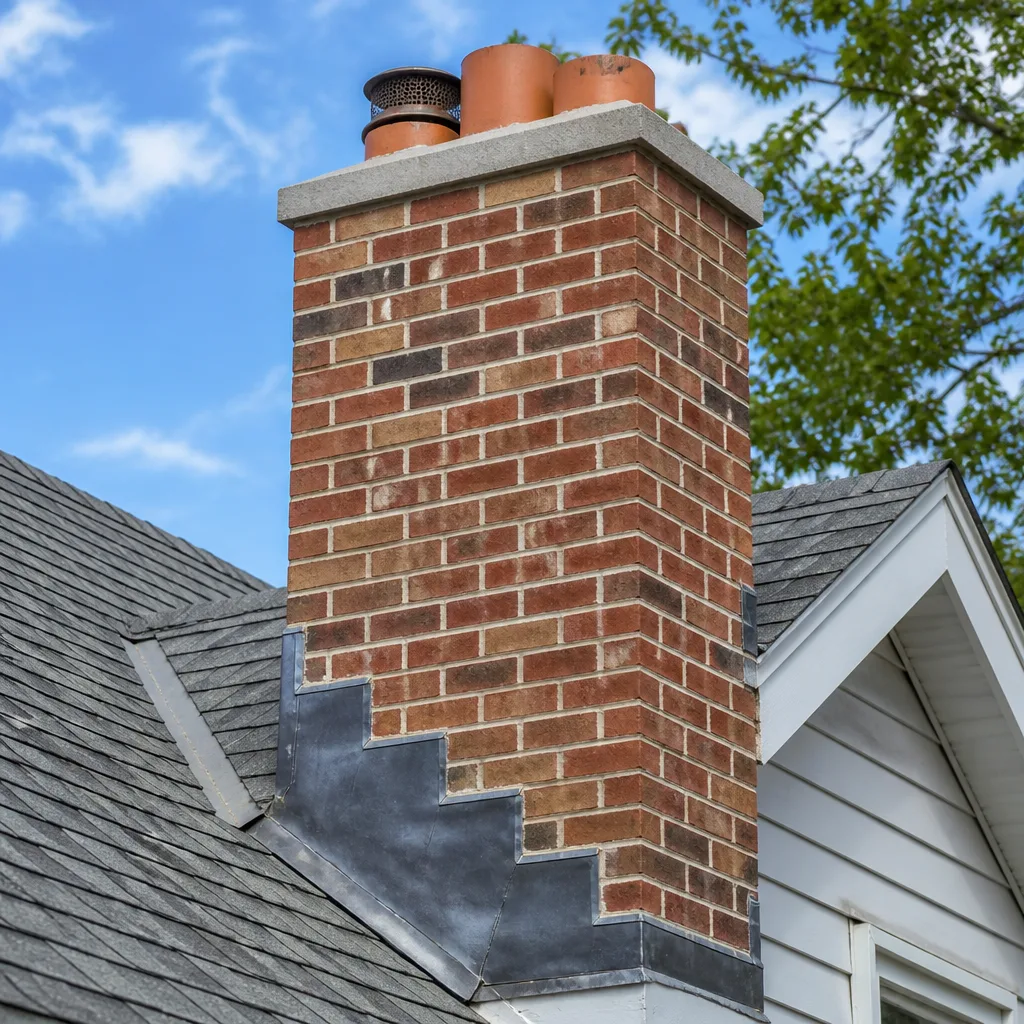 Masonry repair
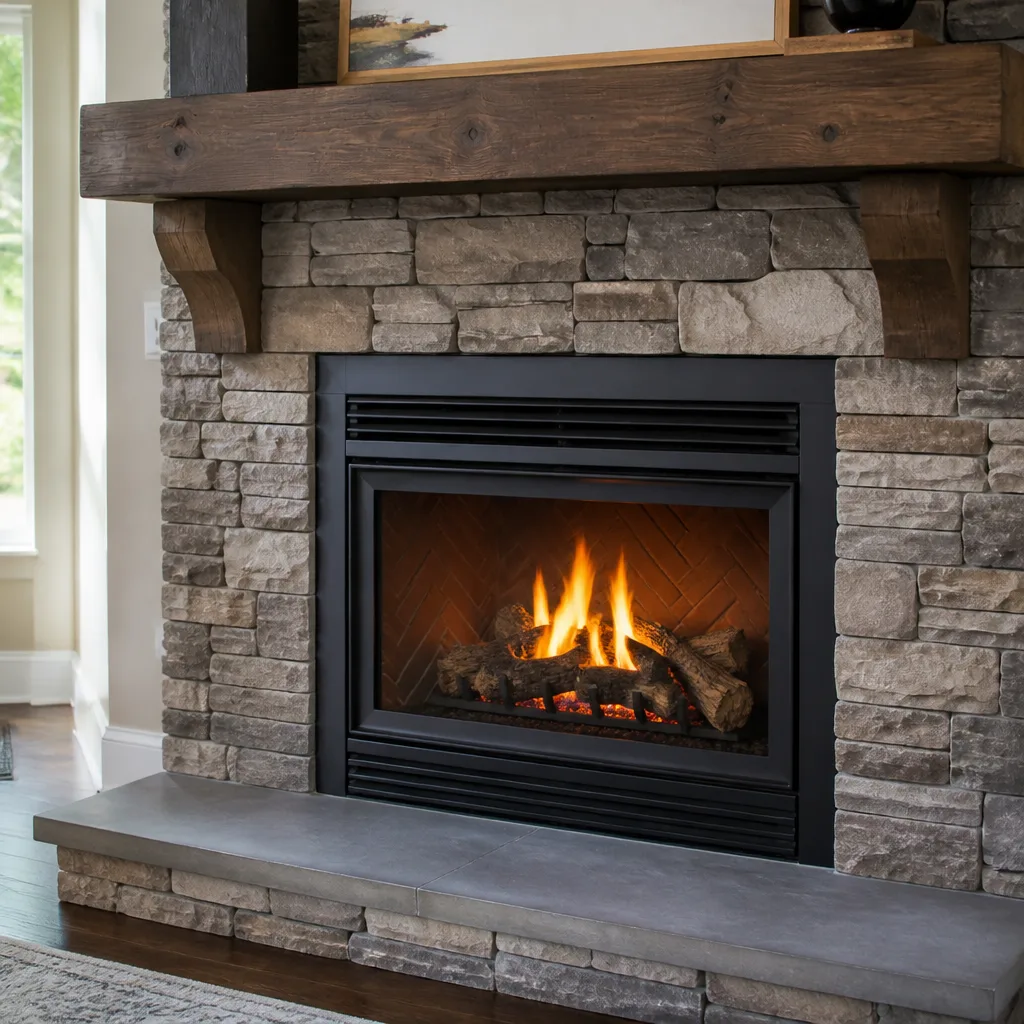 Gas fireplace service
Level 1 sweep and inspection to the NFPA 211 annual standard - flue, crown, cap, and flashing checked and photographed
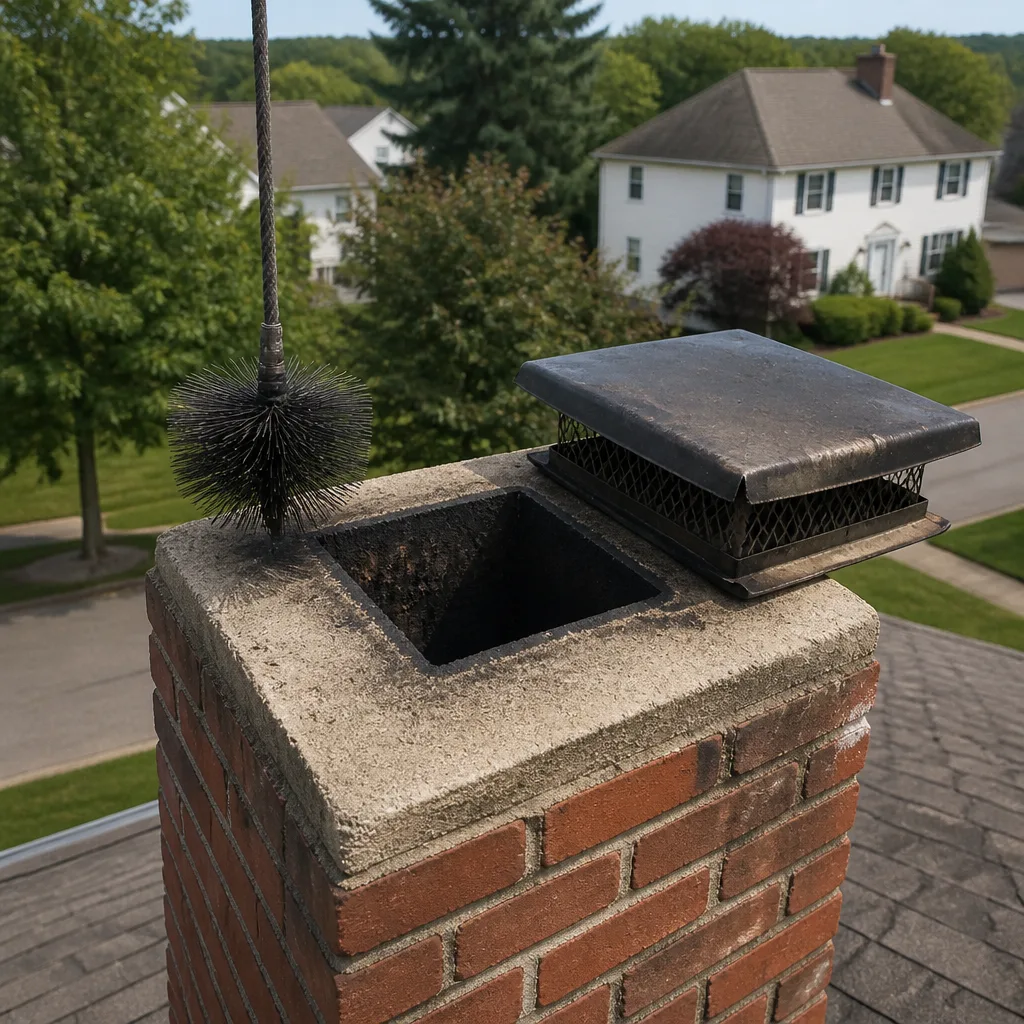
Chimney sweep logs do not sweep chimneys. They loosen some creosote - which then falls where a brush and vacuum still have to collect it.
Chimney Sweep Maintenance Checklist for Nampa Homeowners
Ask a chimney technician how a flue got that bad and you’ll usually hear the same thing: the homeowner said it looked fine from the outside. That’s the trap. A chimney is built to hide its problems. The firebox looks clean, the brick face is straight, and the cap is still sitting where someone put it. Meanwhile the smoke shelf is packed, the crown has a hairline crack drinking water, and the flue tile is spalling from a Canyon County winter. This guide turns you into a competent first observer. You’ll learn what’s normal and what’s not on each part of your chimney, which checks you can safely handle yourself, and which ones should go straight to a professional.
Quick Answer
A chimney maintenance checklist for Nampa homeowners comes down to inspecting six components – firebox, damper, smoke shelf, crown, flashing, and cap – and knowing what normal versus abnormal looks like on each. A wood-burning chimney should be swept roughly every cord of wood burned, and the exterior should be checked each fall before freeze-thaw cycles set in. Anything involving the flue interior, the roof line, or the structure itself belongs with a trained sweep, not a homeowner with a flashlight.
Styles & brands we work with
- Sweep & inspection
- Caps & crowns
- Flue relining
- Masonry repair
- Gas fireplace service
Table of Contents
- How This Checklist Works: Watch It or Call Now
- The Component-by-Component Checklist: What Normal vs. Abnormal Looks Like
- Nampa-Specific Visual Cues: Freeze-Thaw Spalling and Irrigation Efflorescence
- What You Can Safely Check Yourself vs. What Requires a Certified Sweep
- How Often Should You Sweep? Frequency Tied to Cords Burned, Not Calendar Months
- How to Document Conditions With Photos So a Technician Can Triage Before Arriving
- The Other Exhaust System: Your Dryer Vent Belongs on the Same Checklist
- Seasonal Timing for Nampa: When to Schedule Each Check
How This Checklist Works: Watch It or Call Now
Most chimney advice fails because it’s organized around time instead of condition. “Sweep once a year” is a reasonable starting point, but it doesn’t tell you what to look for or how to judge what you find. A better approach is to organize your inspection around observable conditions, then sort each finding into one of two buckets: watch it or call now.
Watch-it items are things that are normal for the season or showing early wear. A little soot on the firebox wall after a cold stretch. Minor rust on a damper handle. Bricks that look a bit dusty. None of these are emergencies, and none of them justify a service call the same week. They go on a list, and you check again in a few months.
Call-now items are things that suggest a real problem getting worse. Loose or missing bricks around the firebox. A damper that won’t open all the way. Cracks in the crown. Water stains on the ceiling near the chimney chase. Anything that looks like it’s moving when it shouldn’t. These aren’t guesses – they’re visible signs a trained eye needs to see sooner rather than later.
This is the system Nampa homeowners can actually run themselves. We’ve walked many homeowners through it, and the people who get the most out of it are the ones who take twenty minutes a couple times a year with a flashlight and a phone camera. They know their chimney better than anyone. What they’re missing is a reference for what normal looks like. That’s what the rest of this guide delivers.
The Component-by-Component Checklist: What Normal vs. Abnormal Looks Like
Walk through your chimney system in the same order every time: inside first, then work your way out and up. Here’s what to look for on each component and how to read what you see.
Firebox
Normal: Brick or refractory panels that are tight, gray to reddish-brown, with some soot staining and minor hairline cracking from heat cycling. Mortar joints that look solid and even.
Abnormal: Bricks that crumble or flake when you touch them. Missing mortar in joints wider than a pencil. White powdery deposits on the firebox walls (that’s efflorescence, and it means moisture is getting in somewhere). Any brick that rocks under light finger pressure.
Damper
Normal: Opens and closes smoothly, seats flush against the frame when closed, and holds position without drifting. Some surface rust on the metal is fine.
Abnormal: A damper that sticks, won’t fully close, or has to be propped open. A damper with a visible gap when closed. Heavy rust scale or a handle that spins freely without engaging the plate. A stuck-open damper wastes heat and lets cold air into the house. A stuck-closed damper is worse – it lets smoke back into the room.
Smoke Shelf and Smoke Chamber
Normal: Look up into the fireplace with a flashlight and you see a flat ledge (the smoke shelf) that may have some soot buildup. Behind it, the smoke chamber surfaces are rough but intact.
Abnormal: Heavy creosote buildup on the smoke shelf – dark, shiny, or tar-like. Parging (the smooth coating on the smoke chamber walls) that is flaking, cracking, or missing. Creosote in the smoke chamber is one of the highest-risk fire conditions in a chimney, and it’s a call-now item every time.
Crown
Normal: The concrete cap at the very top of the chimney is intact, slightly sloped away from the flue, and sealed at the edges.
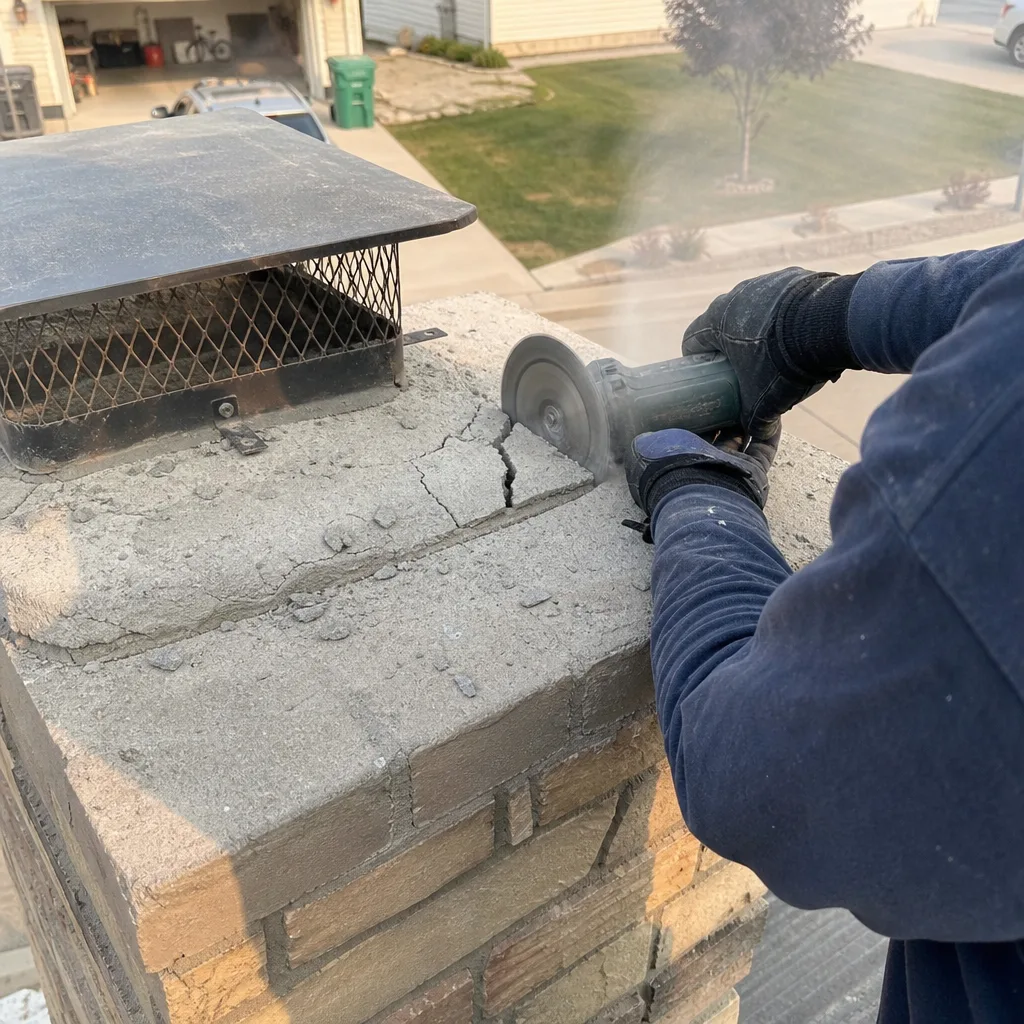
Abnormal: Cracks wider than a hairline. A crown that’s flat or tilted toward the flue instead of away. Sections that are loose, crumbling, or missing. The crown is your chimney’s roof – it sheds water, and when it fails, everything below it gets wet. Any real crack in the crown is a call-now item because water damage compounds fast.
Flashing
Normal: The metal seal where the chimney meets the roof is tight, layered correctly, and sealed with caulk or roofing cement that hasn’t shrunk away from the edges.
Abnormal: Rusted or lifted flashing. Visible gaps where water can get under the metal. Dried and cracked caulk seams. Flashing failure is a common cause of leaks that show up as ceiling stains months after the actual damage starts.
Cap and Spark Arrestor
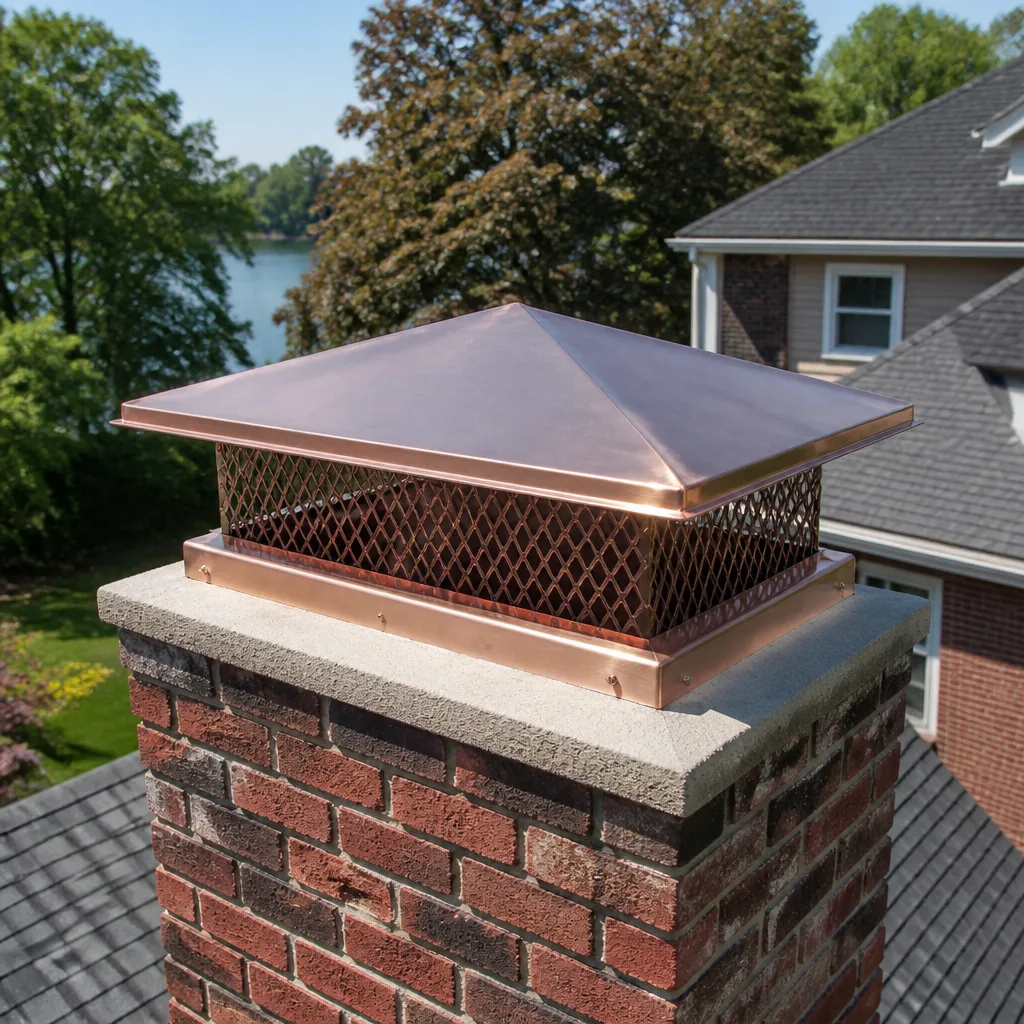
Normal: A cap that sits straight, has intact screen or mesh, and allows smoke to vent freely.
Abnormal: A missing or tilted cap. Mesh that’s torn or clogged with debris. Birds, squirrels, or nests visible at the top. A missing cap means rain, snow, and animals have direct access to the flue, and in Nampa that access is a real problem most of the year.
Nampa-Specific Visual Cues: Freeze-Thaw Spalling and Irrigation Efflorescence
A chimney in Nampa lives in a specific climate that shapes what you’ll see. Canyon County winters freeze hard at night and thaw in the afternoon, sometimes over and over in the same week. That cycle works on brick and mortar in a way people from wetter, milder climates don’t always recognize.
Freeze-thaw spalling shows up as the face of a brick flaking off in thin layers, leaving a rough, pitted surface. Water gets into the brick through tiny cracks, freezes, expands, and pops the face off. You’ll typically see it on the south-facing or weather-facing side of a chimney first, and on bricks near the crown or just above the roof line. Spalling isn’t cosmetic. Once the face is gone, the brick’s interior is exposed and absorbs water even faster. It’s a watch-it item in the early stages and a call-now item once whole brick corners start letting go.
Efflorescence is the white, chalky stain you sometimes see on brick. It’s salt pushed to the surface as moisture moves through the masonry, and it’s common on Nampa chimneys where sprinklers are hitting the exterior. Irrigation overspray is a real culprit here – a head aimed wrong wets the chimney base every cycle, and over a season or two you get efflorescence, then spalling, then mortar that’s soft when you touch it. The white stain itself is not the problem; the moisture behind it is. If you see efflorescence at the base of your chimney, walk the sprinkler zone and look for a head spraying the brick.
A visual scan each fall, after the first hard frost but before winter fully sets in, catches spalling and efflorescence while they’re still cheap to address. That’s the point of writing the checklist around Nampa conditions rather than a generic annual reminder.
What You Can Safely Check Yourself vs. What Requires a Certified Sweep
The line here is straightforward: you can safely check what you can see with a flashlight from a standing position. Anything else is a job for someone trained, equipped, and insured to be up there.
Safe homeowner checks
- Look inside the firebox with a flashlight for cracked bricks and loose mortar
- Operate the damper by hand and confirm it opens fully, closes fully, and seats flush
- Look up at the smoke shelf for visible creosote buildup or missing parging
- From the ground with binoculars, scan the crown, cap, and top courses of brick
- Walk the roof line from a ladder only if you’re comfortable on a ladder and the pitch is low – otherwise stay on the ground
- Photograph anything that looks off and keep the photos in a dated folder on your phone
Checks that belong with a certified sweep
- Any inspection or cleaning of the flue interior – the flue is where creosote hides, and it cannot be assessed from below
- Roof-level work on the crown, flashing, or cap, especially on steeper pitches
- Any check that requires standing on the roof, including near-ridge or valley areas
- Assessment of the mortar and brick on the chimney exterior beyond what’s visible from the ground
- Determining whether creosote is glaze-stage and needs rotary cleaning rather than a standard brush
- Anything involving gas appliance venting, which has its own set of clearance and draft requirements
One safety note that matters: chimney cleaning itself is not a homeowner job. The interior of a flue is a confined space with soot, creosote, and sometimes structural damage you can’t see from the firebox. The rotary brushes and camera equipment professionals use to do this safely are not standard hardware store items, and the risk of loosening creosote without properly containing it is real. The checklist above gets you to the point where you can describe the problem accurately. A trained technician does the work.
If you’re in Nampa and want an honest read on what your chimney needs, we can schedule a chimney sweep and include a camera inspection of the flue so you can see exactly what we see.
How Often Should You Sweep? Frequency Tied to Cords Burned, Not Calendar Months
The “sweep once a year” rule makes sense as a default, but the better question is how much wood you actually burn. A household that lights a fire ten times a season and a household that runs a fire three nights a week have very different chimney maintenance needs, and the calendar alone doesn’t capture that difference.
The rough rule of thumb in the trade is one sweep per cord of wood burned. A full cord is 128 cubic feet stacked tight, and most Nampa households burning regularly go through one to three cords a season depending on how much they rely on the fireplace for heat versus ambiance. That gives you a starting frequency:
- Under one cord per season (occasional use): Sweep every other year, with an annual visual check by a technician on the off year.
- One to two cords per season (regular use): Sweep once per year.
- Two to three cords per season (heavy use): Sweep once per year and consider a mid-season check in January or February.
- More than three cords (primary heat source): Plan on two sweeps per season, one before the burning season and one mid-winter.
- Gas insert or gas fireplace: These don’t produce creosote the way wood does, but the venting still needs an annual check for blockages, draft issues, and animal intrusion.
Wood type matters here too. Seasoned hardwood burns cleaner than green wood or softwoods like pine, and burning wet wood produces more creosote for the same amount of heat. If you’re buying wood in Nampa, ask about moisture content and let it dry further if you can. Wet wood is the most common reason a chimney produces more creosote than expected for the cords burned.
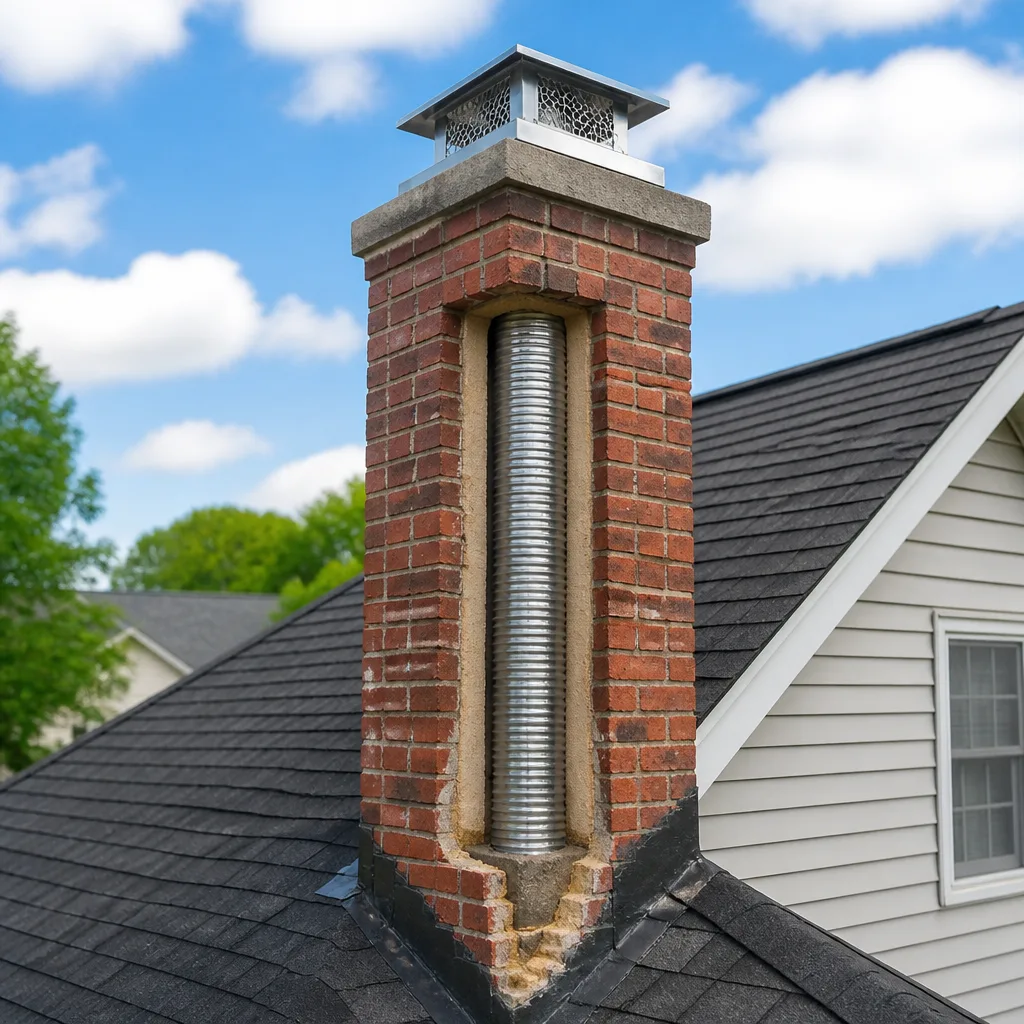
The other factor is your flue type. A masonry flue with clay tile is the standard Nampa setup, but an older chimney with a damaged or unlined flue will need more frequent inspection regardless of how much you burn. If your last sweep found any liner issues, plan on annual checks until it’s been addressed – the flue tile condition matters more to fire safety than the creosote load itself.
How to Document Conditions With Photos So a Technician Can Triage Before Arriving
One of the most useful things you can do as a homeowner is take photos before you call, so the technician knows what they’re walking into and can bring the right tools and materials. It also means the conversation starts from your evidence instead of a verbal description. We’ve found that this simple habit shortens the path from first call to actual fix more than any other prep step.
Here’s how to shoot a chimney usefully:
- Shoot the firebox from straight on, so the whole interior is visible, then take one close-up of anything that looks off.
- Shoot the damper open and closed, so a technician can see whether it seats flush and whether the frame is intact.
- Shoot straight up into the smoke chamber with a flashlight aimed at the shelf. The photo may be dark – that’s fine, it’s still useful for triage.
- From the ground, use binoculars and zoom to photograph the crown, cap, and top few courses of brick. Take one wide shot and one tight shot.
- Photograph any water stains on the ceiling, walls, or firebox, and include a reference object (a coin, a tape measure) so scale is clear.
- Photograph the chimney base and the ground around it, especially if you have irrigation nearby.
- Name the files with the date so you can compare conditions season over season.
When you call, share the photos along with two pieces of context: how many cords you burned since the last sweep, and what changed since you last looked. “I swept in August and now the crown has a visible crack” is a much more useful call than “something looks wrong with my chimney.” With clean photos and that context, a technician can often tell you whether it’s a routine sweep, a repair visit, or something that needs attention before you burn again.
If you want a technician to give you a professional read on your chimney in Nampa, we can look at your photos first and tell you what to expect before we show up.
The Other Exhaust System: Your Dryer Vent Belongs on the Same Checklist
Most homeowners think of chimney maintenance and dryer vent maintenance as two separate jobs. They’re not. Both are exhaust systems that vent heat, moisture, and combustion byproducts out of the house, and both are fire risks when they clog. The National Fire Protection Association links clogged dryer vents to thousands of residential fires each year, which is a lot of preventable damage that has nothing to do with the fireplace.
Add these to your seasonal checklist:
- Check the outdoor dryer vent flap opens fully when the dryer runs
- Look for lint accumulation around the flap and behind the dryer
- Notice if clothes take longer than usual to dry – that’s often the first sign of a clogged vent
- Feel the outside of the dryer while it runs; if it’s unusually hot, airflow is restricted
- Have the vent professionally cleaned if it’s been more than a year and you dry several loads a week
Dryer vent runs in Nampa homes vary widely. A short, straight run to an exterior wall stays clear longer. A long run with elbows, or one that goes up through the attic and out the roof, collects lint faster and needs cleaning more often. If your dryer is in a closet or interior laundry room with a long vent path, plan on annual cleaning. The same technicians who handle chimney sweeping can usually handle dryer vent cleaning on the same visit, which means one appointment instead of two.
Fire-safe from top to bottom is a real idea, not a slogan. A home with a clean, inspected flue and a clear dryer vent has addressed the two biggest exhaust-related fire risks in the building. If one is on your checklist, the other should be too.
Seasonal Timing for Nampa: When to Schedule Each Check
The best time to schedule a chimney sweep in Nampa is late summer or early fall, before the burning season starts and before the first freeze. That timing gets you three things: a flue that’s clean when you light the first fire, a technician who isn’t booked solid in October, and an accurate read on exterior conditions while the weather is still workable for repairs.
Here’s how we think about the annual cycle:
- Late summer (August to early September): Schedule the sweep and interior inspection. This is the ideal window for any flue work, and it’s when repairs found during the sweep can actually get done before you need the fireplace.
- Early fall (September to October): Do your exterior visual scan. Check the crown, flashing, cap, and brick face before the freeze-thaw cycle starts. Any cracks in the crown should be sealed before the first hard frost.
- Midwinter (January to February): Do a quick interior check halfway through the burning season. Look up at the smoke shelf for creosote buildup. If you’re burning heavily, this is the point to bring in a professional for a mid-season look.
- Spring (March to April): Do a post-winter exterior inspection. The freeze-thaw damage from the winter will be visible now, and repairs made in spring are cheaper than repairs made after a winter’s worth of water intrusion.
- Anytime: Dryer vent cleaning. It doesn’t depend on the seasons, only on use and vent length.
The winter-to-spring gap is where a lot of Nampa chimneys get into trouble. The freeze-thaw cycle does more damage in February and March than people expect, and small crown cracks that showed up in the fall can turn into real masonry damage over one winter. If you haven’t looked at your chimney since October, that inspection is worth doing in April.
Common Mistakes to Avoid
- Judging the chimney by the firebox alone. The firebox is the easiest thing to see and the least likely to tell you what’s happening in the flue. Look up the smoke shelf, and get the flue inspected from the top and bottom.
- Letting irrigation spray the chimney base. A sprinkler head aimed at the brick wets it every cycle, and in Nampa that produces efflorescence, spalling, and soft mortar faster than anything else on the exterior. Move the head first, not the brick.
- Mistaking a hairline season crack for structural damage (or the reverse). Hairline cracks in the firebox brick from heat cycling are usually fine. Cracks that are wider than a pencil, or that show daylight, are not. Photograph the crack with a tape measure so a technician can tell the difference.
- Burning wet or unseasoned wood to save money on firewood. Green wood produces far more creosote than dry wood for the same amount of heat, which means more sweeps and more fire risk. Buy seasoned wood and store it dry.
- Skipping the crown because it “looks fine from the ground.” The crown is the one exterior component that fails most often and is hardest to see from below. Use binoculars, or have it checked professionally each fall.
- Forgetting the dryer vent entirely. Chimney and dryer vent are both exhaust systems and both should be on the list. A clogged dryer vent is a fire risk with no cosmetic warning signs.
- Documenting with photos only after the damage is done. Photos taken each season give you a baseline. Without one, it’s hard to say whether a crack is new or has been there for two years.
See the difference
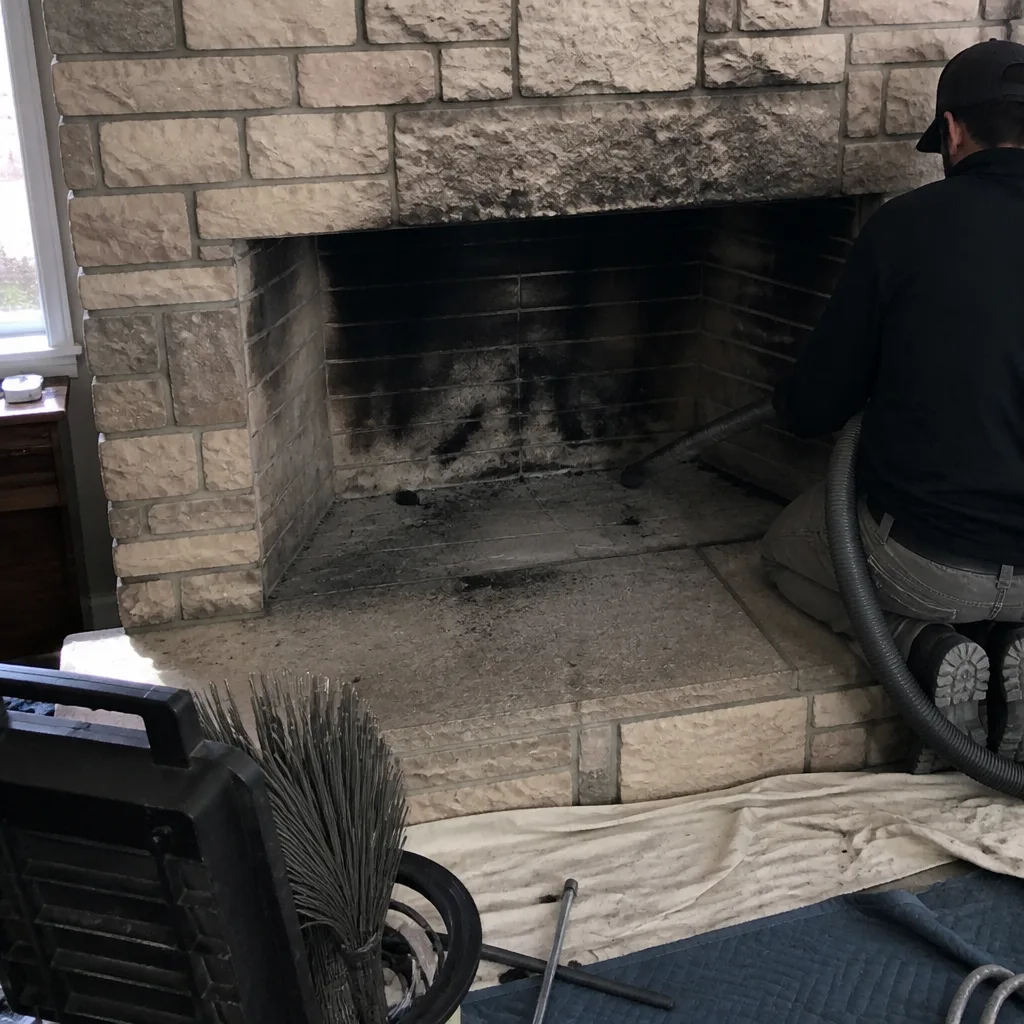 Before
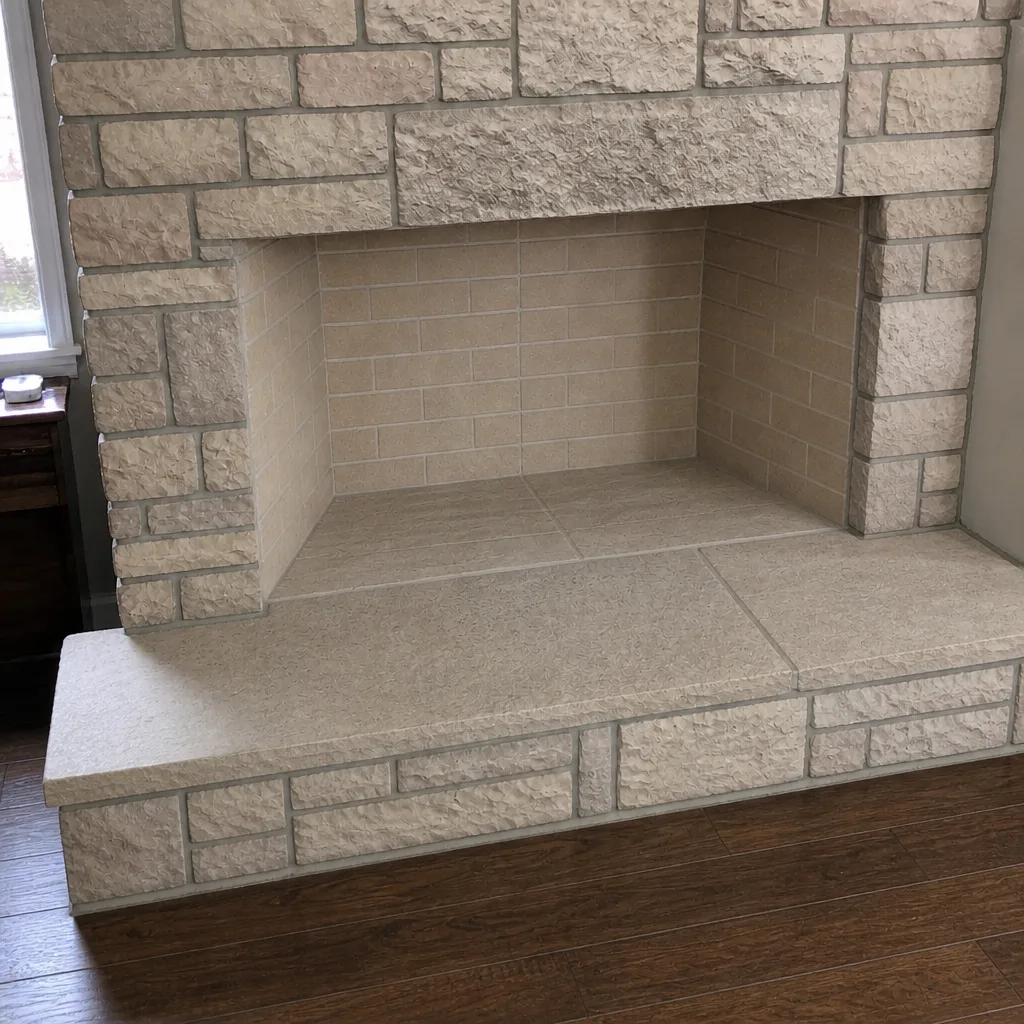 After
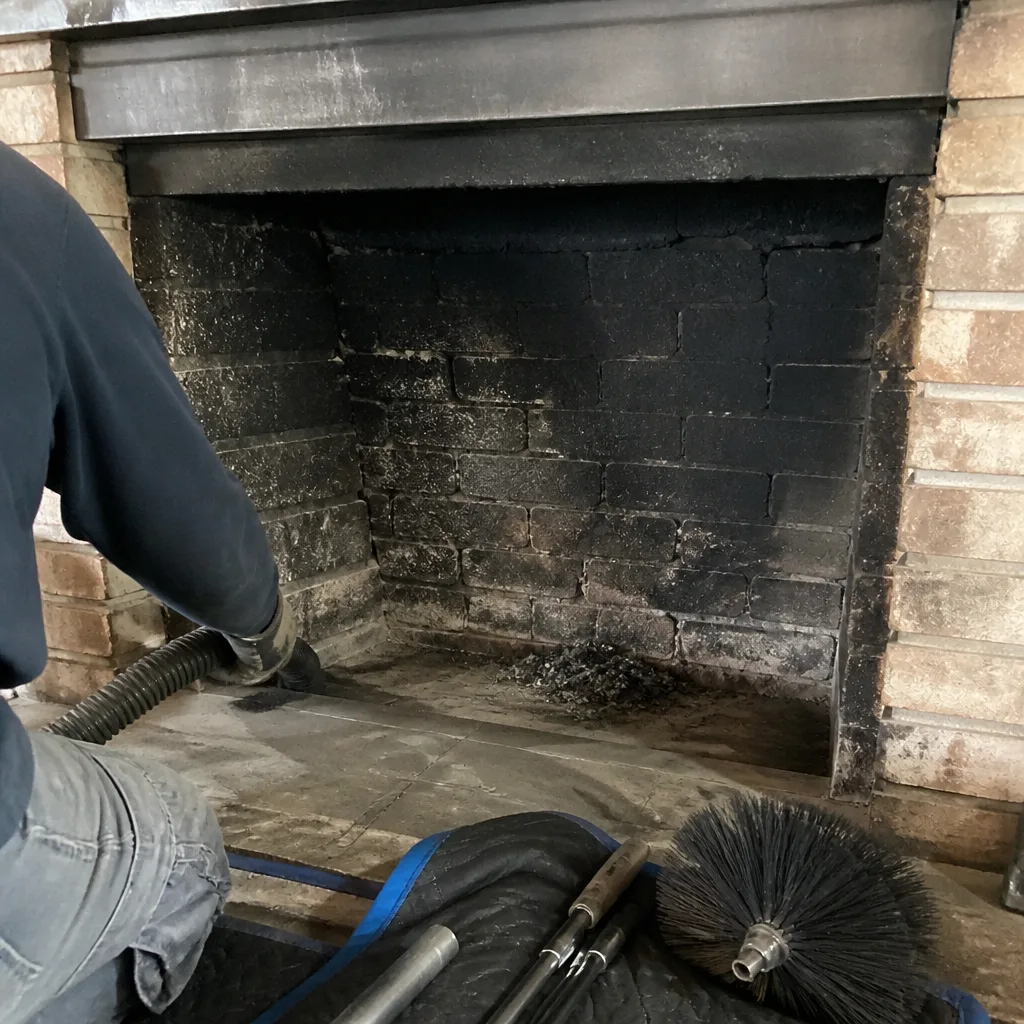 Before
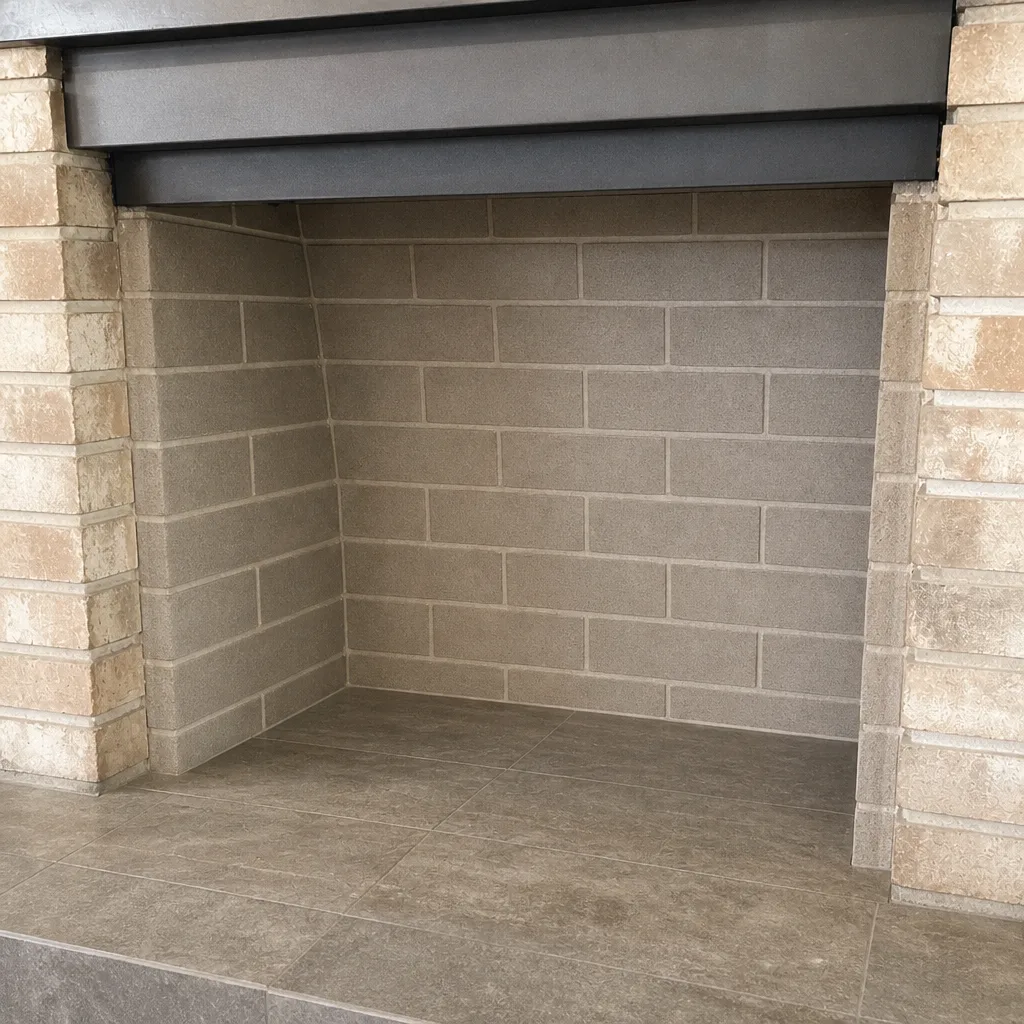 After
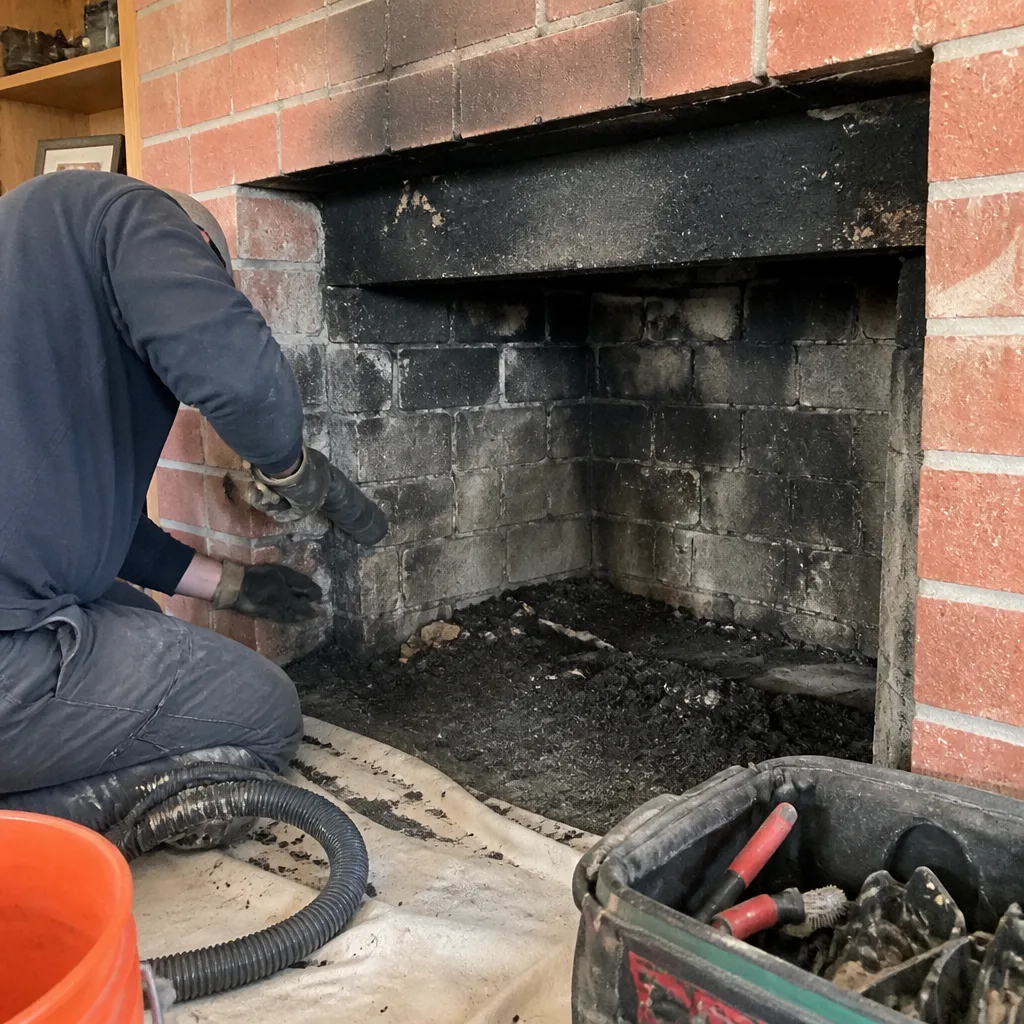 Before
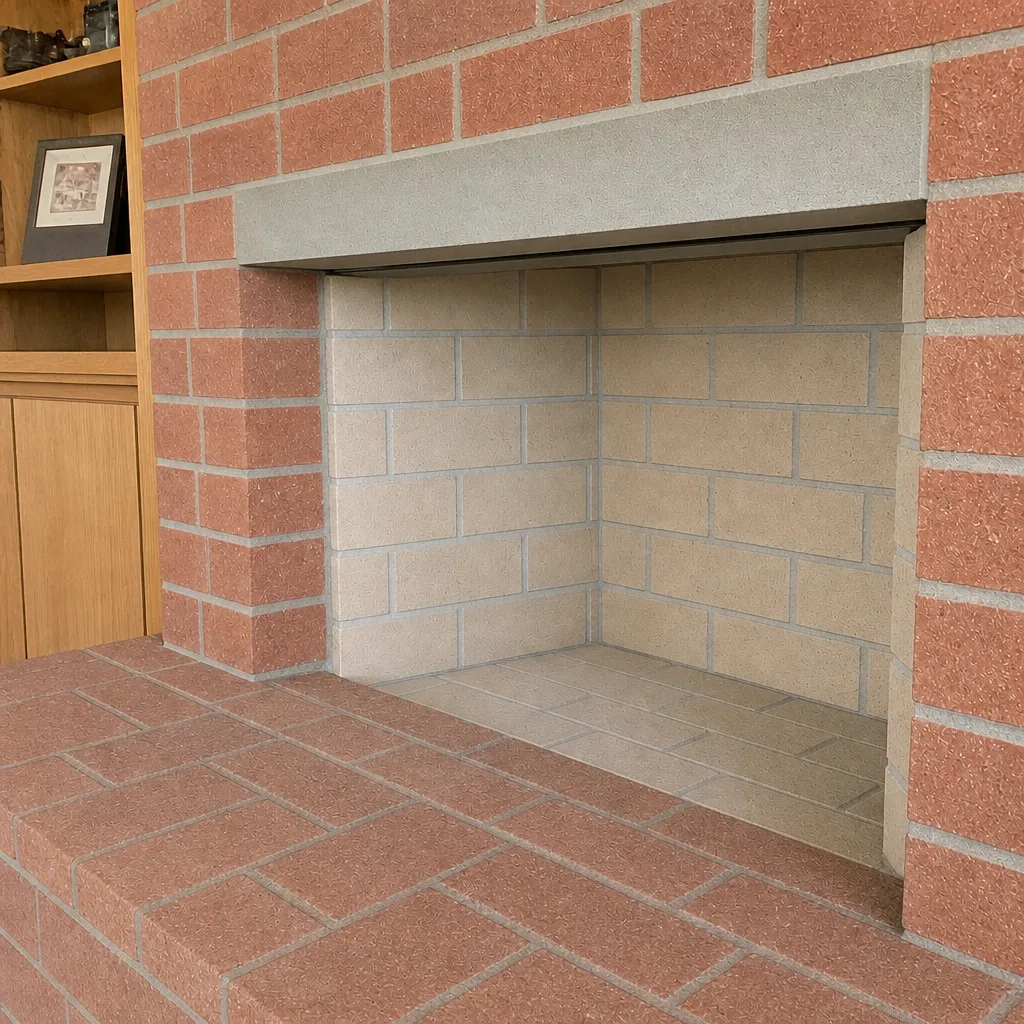 After
When to Call a Professional
Some findings on the checklist can wait. Others shouldn’t. Call a professional if you find any of the following: creosote that looks shiny, tar-like, or glaze-stage on the smoke shelf; cracked or crumbled firebox brick; a damper that won’t fully close; a crown with cracks wider than a hairline; missing or lifted flashing; a cap that’s come loose or gone entirely; water stains anywhere inside the house near the chimney; or efflorescence and spalling on the brick exterior. Call also if you’re past the cord-per-sweep threshold from the frequency section, or if it’s been more than two years since the last inspection regardless of use.
Chimney Sweep Nampa offers free estimates in Nampa. We bring the camera, show you what we find, and walk you through what needs fixing now versus what can wait. Call (888) 854-6163. We answer 24/7. Fast dispatch from 7am to 7pm, Sunday through Friday.
Frequently Asked Questions
Once every one to two cords of wood burned, with an annual visual inspection on the off years. Occasional users can stretch to every other year, while households burning three or more cords a season should plan on two sweeps. Gas fireplaces need an annual venting check even though they don’t produce creosote. Call (888) 854-6163 for an exact quote based on your setup – estimates are free.
No. The flue is a confined space and the creosote inside it can be loosened and dispersed by brushing in ways that create new fire risk if not done correctly. Homeowners can safely check the firebox, damper, and smoke shelf with a flashlight, and can photograph the crown and cap from the ground. The flue cleaning itself belongs with a trained technician using proper equipment.
That’s efflorescence – salt pushed to the surface by moisture moving through the masonry. In Nampa it’s most often caused by irrigation overspray hitting the chimney base. The white stain itself isn’t the problem, but the moisture behind it can lead to spalling brick and soft mortar if the source isn’t corrected. Redirect the sprinkler head and have the brick checked.
Look for cracks wider than a hairline, a surface that tilts toward the flue instead of away from it, or loose and crumbling concrete. The crown is the chimney’s roof and the main thing keeping water out of the masonry. Any real crack should be looked at by a chimney professional before winter, because freeze-thaw cycles in Canyon County turn small crown cracks into bigger ones quickly.
A sweep is a cleaning – the flue is brushed and the soot and creosote are removed. An inspection is a condition assessment, usually with a camera, that looks at the flue liner, the smoke chamber, the crown, and the exterior. Most appointments include both, but if you’re calling about a specific problem, say so – a technician may structure the visit differently to make sure the issue gets a proper look.
Yes, if it’s been more than a year and you’re drying several loads a week. A dryer running fine doesn’t mean the vent is clear. Longer vent runs, interior laundry rooms, and vents with several elbows clog faster and are tied to a meaningful share of residential fires. It’s the same category of risk as the chimney and worth handling on the same visit.
The Bottom Line
A chimney maintenance checklist for Nampa homeowners works best when it’s built around observable conditions rather than calendar reminders. Check the six components each season – firebox, damper, smoke shelf, crown, flashing, cap – and sort what you find into watch-it and call-now. Watch for Nampa-specific cues like freeze-thaw spalling and irrigation efflorescence, which tell you more about moisture problems than a general tidiness check ever will. Tie sweep frequency to cords burned, not just the calendar. Photograph everything so a technician can triage before arriving. And don’t forget the dryer vent – it’s the other exhaust system and deserves a spot on the same list. When in doubt, call before you burn again.
Written by the team at Chimney Sweep Nampa.