
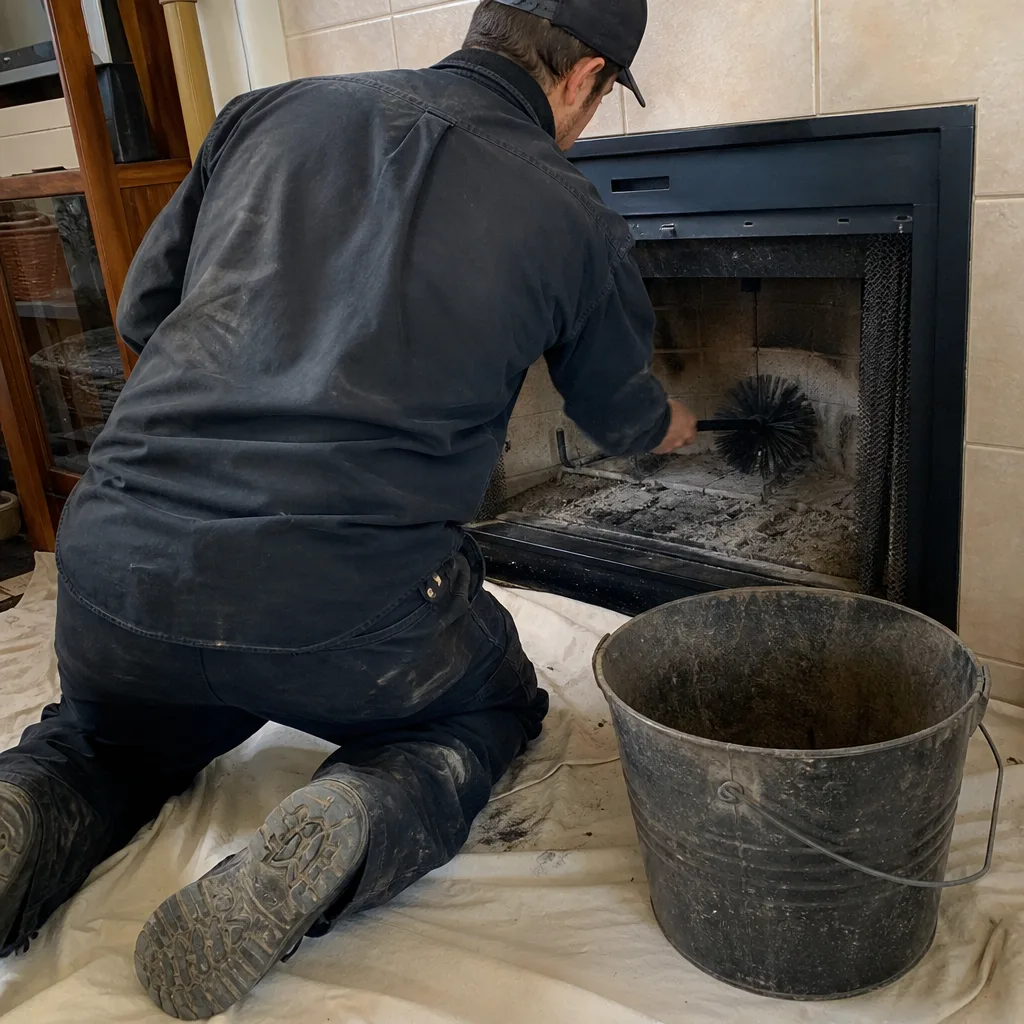
Last updated November 15, 2026
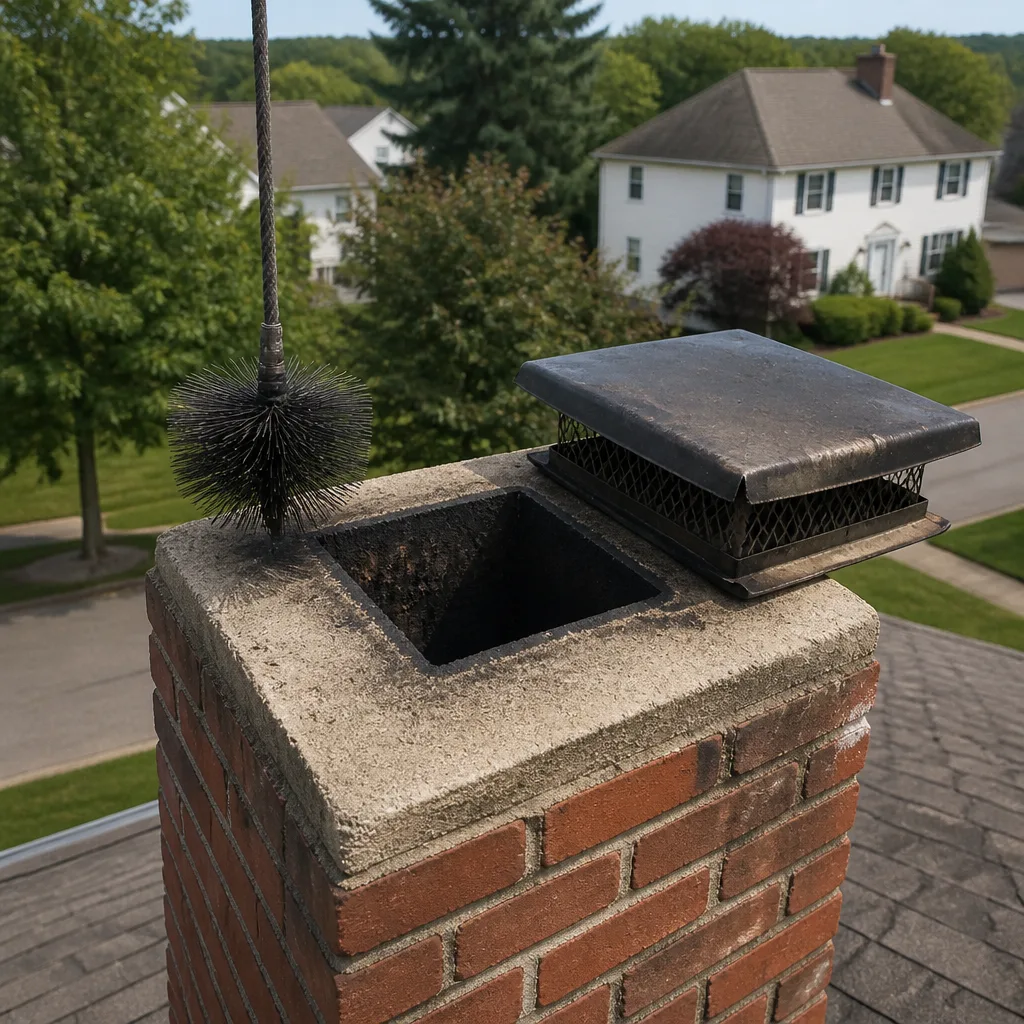 Sweep & inspection
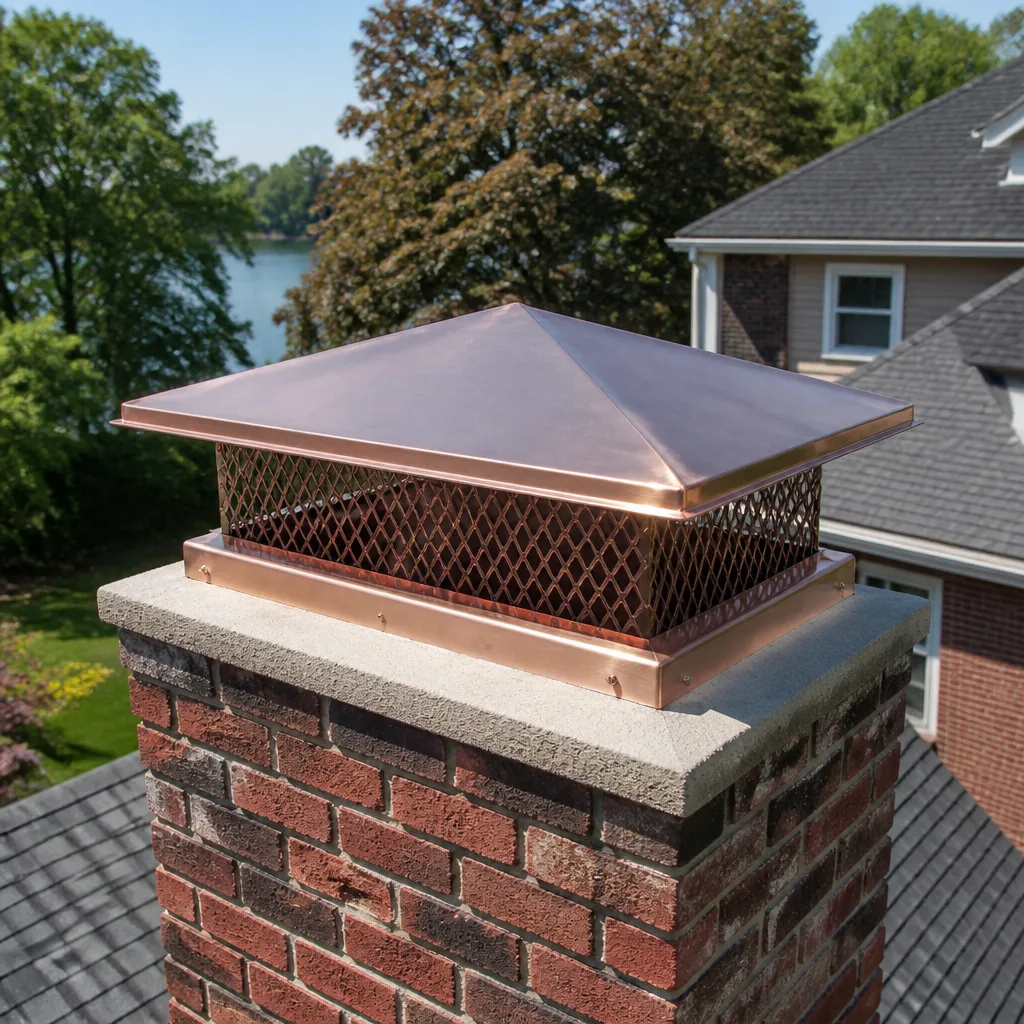 Caps & crowns
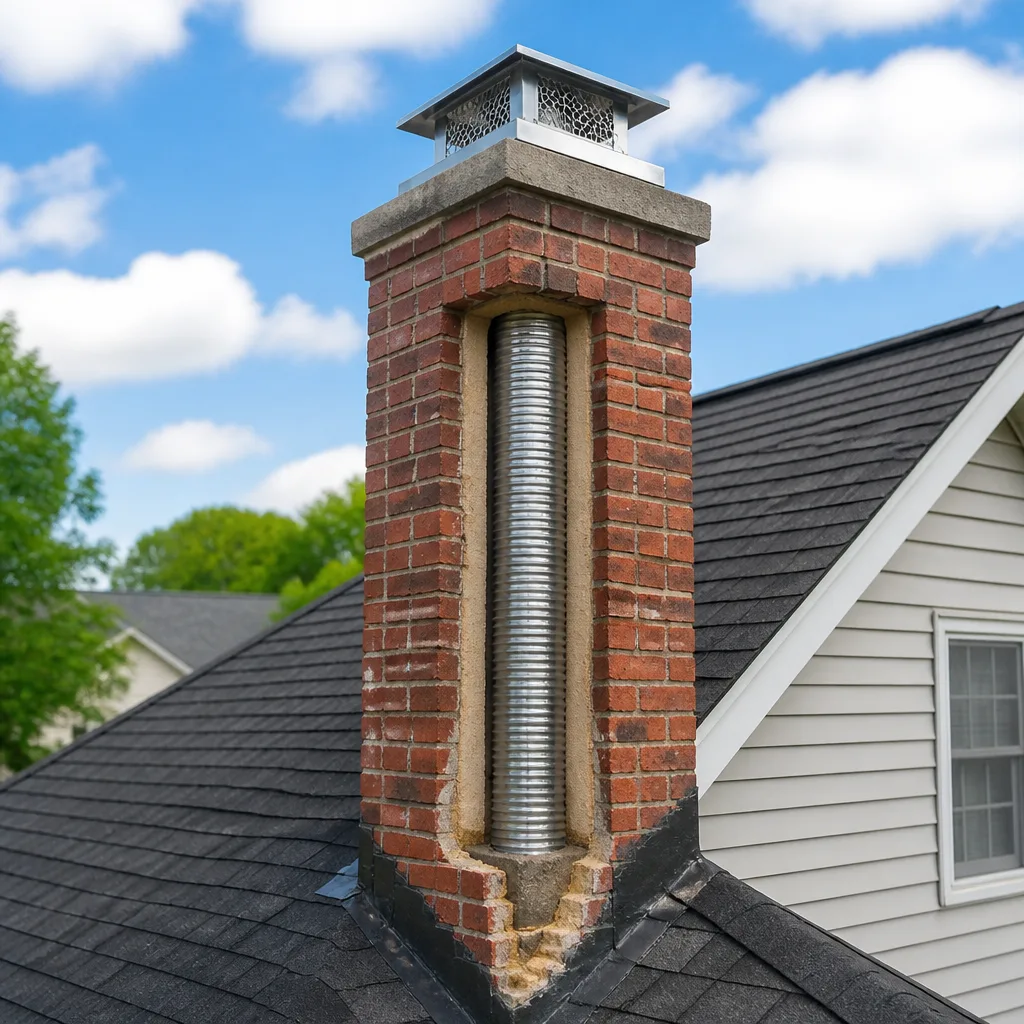 Flue relining
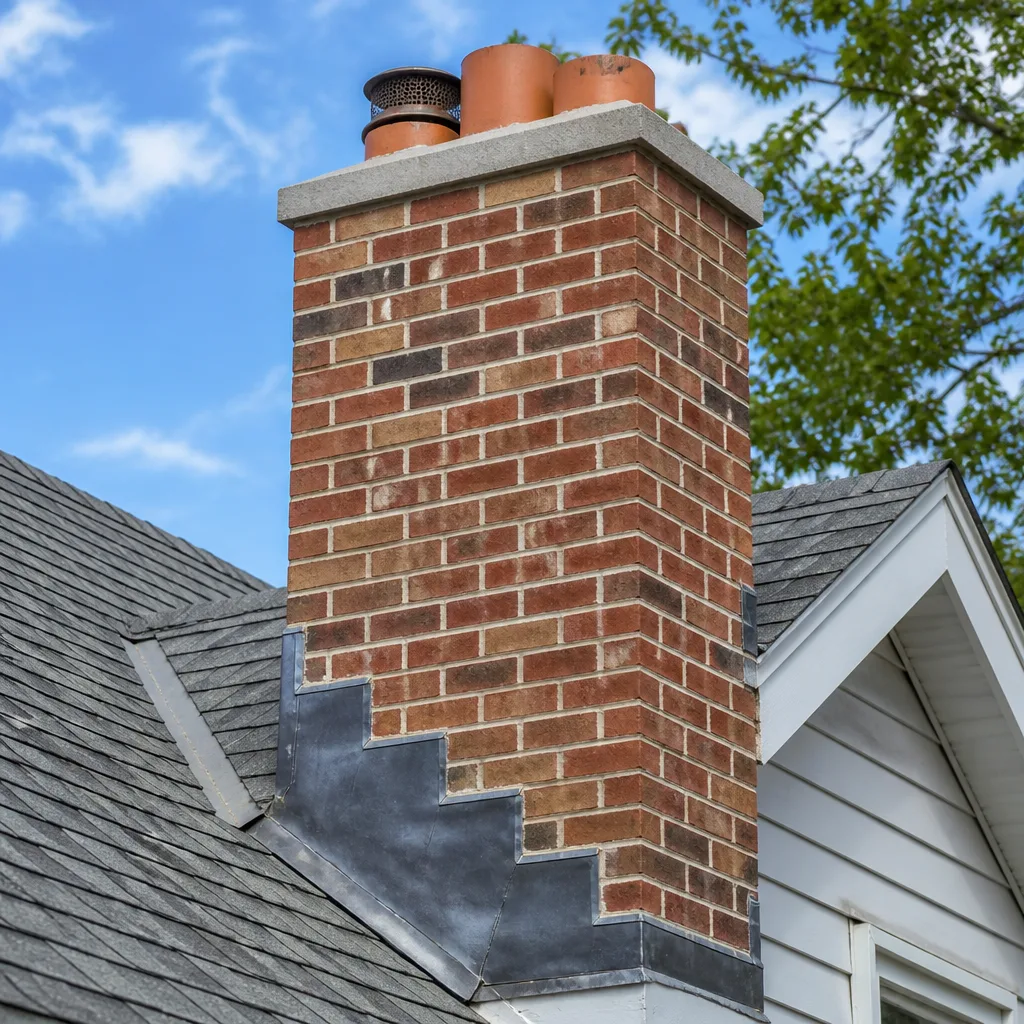 Masonry repair
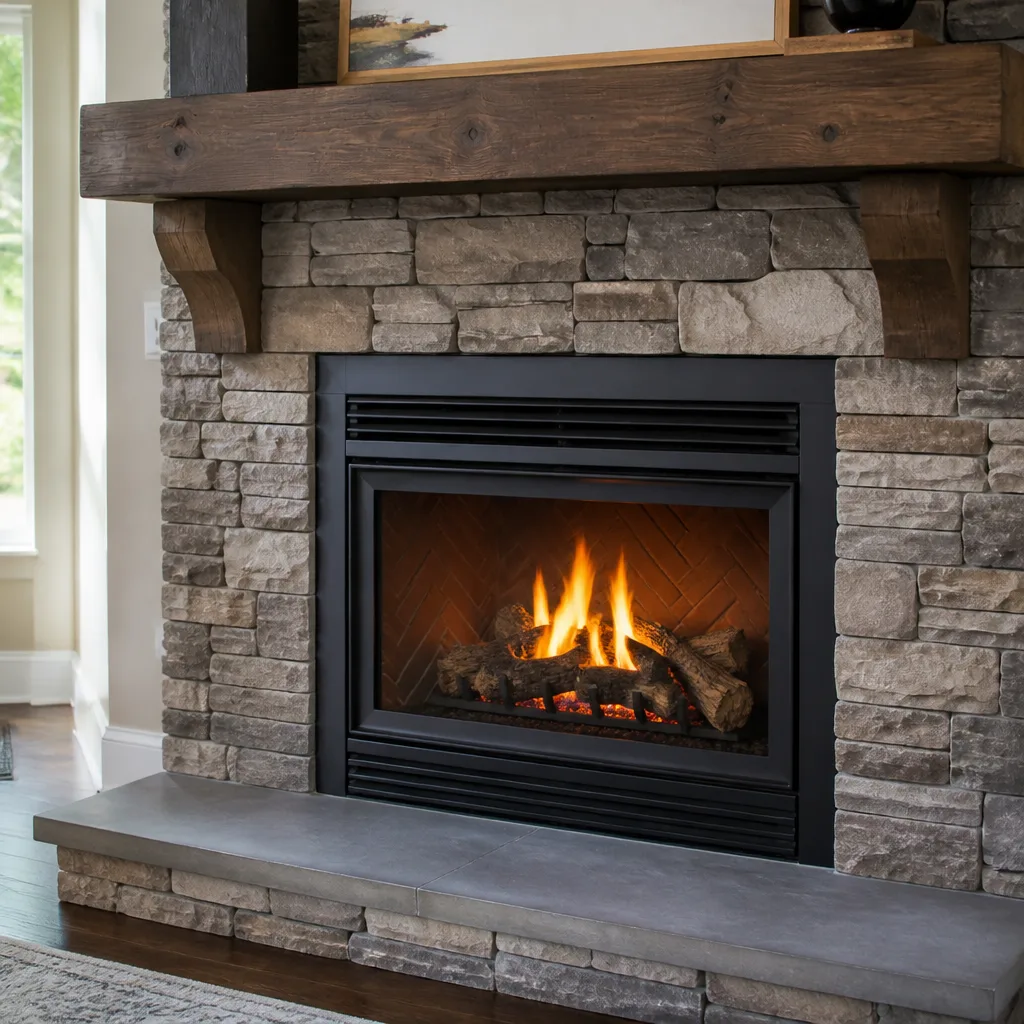 Gas fireplace service
Level 1 sweep and inspection to the NFPA 211 annual standard - flue, crown, cap, and flashing checked and photographed
Chimney sweep logs do not sweep chimneys. They loosen some creosote - which then falls where a brush and vacuum still have to collect it.
Chimney Sweep Maintenance Schedule: What to Do and When
A homeowner who burns three cords of wood every winter and one who lights six fires per season should not be on the same maintenance schedule, but every generic guide treats them identically. “Once a year” gets repeated everywhere as if chimneys were all built the same, fed the same fuel, and used the same way. They aren’t. How often you sweep depends on what you burn, how often you burn it, and what shape the flue is in. In this guide we build a schedule around your actual habits and the specific weather patterns here in Nampa, so you’re cleaning when it matters instead of guessing.
Quick Answer
How often you need a chimney sweep depends on how much you burn and what you burn. A Nampa homeowner who burns wood as a primary heat source during cold snaps typically needs a sweep once per heating season, while a casual user who lights fewer than 20 fires a season can often go two or three years between sweeps with an annual inspection in between. Gas and pellet appliances need yearly service regardless of how often they run, and every chimney should get an inspection at least once a year plus a visual check in spring after the last freeze.
Styles & brands we work with
- Sweep & inspection
- Caps & crowns
- Flue relining
- Masonry repair
- Gas fireplace service
Table of Contents
- Why “Once a Year” Fails Most Chimneys
- A Usage-Based Maintenance Matrix for Nampa Homes
- The Two Maintenance Windows That Matter in Nampa
- Level 1 vs. Level 2 Inspections: What Each Actually Means
- Gas Fireplace Maintenance: The Schedule Most People Skip
- How to Log Your Burns So You Can Stop Guessing
- Dryer Vent Cleaning and Your Annual Schedule
- Building Your 12-Month Calendar
Why “Once a Year” Fails Most Chimneys
The “once a year” advice comes from a well-meaning place. It’s a reasonable default, but defaults fail when the variables change. The schedule that keeps a chimney safe depends on three things no generic guide can see: the fuel you burn, your burn frequency, and the condition of the flue itself. Change any one of those and the answer changes with it.
Start with fuel. Wood leaves behind creosote, a tarry residue that builds up on the flue walls and ignites at high temperature. Wood fires also deposit soot. Gas produces little visible residue but still generates water vapor and mildly acidic condensation that can attack an unlined or deteriorating flue over time. Pellet fuel burns cleaner than wood but still leaves ash and fine particulate. Each fuel asks something different of your chimney.
Now look at frequency. A chimney that’s seen 150 fires since its last cleaning holds far more buildup than one that’s seen 15. That sounds obvious, but most homeowners honestly can’t tell you which category they fall into. We hear “we probably use it a normal amount” more often than a real number.
Finally, flue condition. A well-built, properly sized flue with good draft burns cleaner at operating temperature than an older flue with cracked tiles, gaps, or an off-sized run. Two chimneys burning identical wood at identical rates will accumulate creosote at different speeds because of it.
What that means in practice: your schedule should be built around your chimney, not the calendar on the wall. The sections that follow give you a framework for doing that.
A Usage-Based Maintenance Matrix for Nampa Homes
Nampa sits in a high-desert valley where winter means cold, dry snaps that arrive fast and hold for days, then break into milder stretches. During a snap, wood-burning households go through serious fuel. During the mild stretches, the fireplace sits idle. That pattern matters for creosote because the most buildup accumulates during the shoulder of each cold snap, when homeowners damp the fire down to make wood last, and the coolest flue temperatures let creosote condense.
Here’s the matrix we build with homeowners in Nampa. Find the row that fits your habits best.
- Casual user (under 20 fires per season): Annual visual inspection, and a sweep every two to three years, or sooner if you notice a heavy glaze in the flue or smell smoke in the room with a fire burning.
- Regular user (20 to 60 fires per season): Sweep once per season, ideally mid-winter during a thaw, plus a full inspection at the end of each season.
- Heavy user (60 to 120 fires per season, or a primary heat source through cold snaps): Sweep once per season, and inspect for creosote buildup partway through the heating season if you’re burning through a cord or more. That mid-season check is the difference between catching a glaze early and discovering a chimney fire hazard at spring cleaning.
- Primary heat source (the fireplace or wood stove does most of the heating from November through March): Sweep at the start of the season, inspect again in January or February, and plan for a second sweep if the winter runs long. Heavy-duty usage in Nampa’s cold snaps can pack on creosote faster than a homeowner expects.
- Gas fireplace (any usage): Yearly service, no exceptions. See the gas section below for why.
- Pellet stove (any usage): Yearly service before the season starts, with the flue cleaned at the same time.
One more variable: efficiency. A modern, properly installed insert vents more cleanly than an older open fireplace, so the buildup rate is different. If your Nampa home has a fireplace insert, mention it when you book a sweep so the technician brings the right tools and gives you a realistic schedule.
The Two Maintenance Windows That Matter in Nampa
Nampa’s climate makes two windows more important than the rest of the year. Miss them and damage that would have been caught early has months to sit.
Late September into early October: Before the First Burn
The first cold snap in the Treasure Valley usually arrives sometime in October, though it can come earlier. Once the fire gets lit, the chimney is going to burn until spring, and whatever condition it’s in at that point is the condition it stays in until the world thaws. Scheduling a sweep and inspection before the first fire catches problems at the one moment you can still fix them without tearing up a cold, wet roof in the middle of January.
- Book a sweep and inspection in the last week of September or first week of October.
- Have the flue, damper, cap, and crown checked before fire season begins.
- Address any repairs found during the September check, ideally before the first frost.
- Ask for any pending work to be described in writing, including what’s safe to defer to spring.
April, After the Last Freeze
Winter takes a toll. Snow load, freeze-thaw cycling, and moisture working into cracks all cause more damage between November and March than during the rest of the year. A spring inspection catches the winter’s impact before it gets a whole summer to worsen. This is also the best window for non-urgent repair work like relining or a HeatShield ceramic resurfacing job, because the work can cure and set properly before you need the fireplace again in the fall. If we find problems in April, we can fix them on your schedule rather than as an emergency in October. Call Chimney Sweep Nampa for the spring check and we’ll tell you what we find.
Level 1 vs. Level 2 Inspections: What Each Actually Means
Chimney inspections are standardized into three levels, and the difference between them is not marketing. A Level 1 looks at what’s reachable without tools. A Level 2 brings out a camera. A Level 3 opens up the chimney itself. Knowing which level your situation calls for keeps you from paying for more than you need, or paying for too little.
Level 1: The Routine Check
A Level 1 inspection covers the readily accessible portions of the chimney: the firebox, damper, flue from the top and where visible from the bottom, and the exterior from the ground. It’s what you get with an annual sweep, and it’s a visual, non-invasive check. Ready for a routine sweep? Call (888) 854-6163. We answer 24/7. Fast dispatch from 7am to 7pm, Sunday through Friday.
Level 2: The Camera Inspection
A Level 2 inspection adds a video camera run through the flue and a closer look at accessible attics, crawl spaces, and the chimney exterior. This is the level most homeowners skip without realizing they need it, because there are specific triggers:
- Buying a Nampa home (a Level 2 is standard practice during real estate transactions).
- After a chimney fire, even a small one, whether or not you suspected it at the time.
- After any structural event that could have affected the chimney: an earthquake you felt, a roof replacement, a chimney liner modification.
- When you switch fuels (say, converting from wood to gas or adding an insert).
- When you notice smoke entering the room, water stains, or a persistent smell.
- When it’s been more than a few years since the last proper inspection.
A Level 2 is non-negotiable in those cases because the camera shows what the eye can’t: gaps in the liner, missed joints, buildup hidden behind a bend in the flue. We tell you what we find, and we show you the footage if you want to see it.
Level 3: When Something’s Actually Wrong
A Level 3 is an invasive inspection. It’s called when a Level 1 or Level 2 turns up a defect serious enough that the repair can’t be planned without opening the chimney up. Most homeowners never need one, but knowing the levels exist helps you ask the right questions when a technician recommends a deeper look.
Gas Fireplace Maintenance: The Schedule Most People Skip
Gas fireplaces get skipped. Homeowners assume that because there’s no creosote, there’s no maintenance. In our experience, gas appliances in Nampa homes often go years without service, and the failure modes that build up in that time are real.
Two things go wrong with a gas fireplace when it sits un-serviced:
- Debris in the burner ports. Spider webs, dust, and insect nests in the burner ports are a real ignition hazard. Blocked ports trap unburned gas, and the resulting delayed ignition can cause a small pop or, worse, push exhaust where it doesn’t belong.
- Deteriorating flue or vent connections. Gas exhaust contains water vapor and mild acid, and it attacks unlined brick or deteriorating vent pipe over time. A yearly inspection catches that before it becomes a structural problem.
Gas fireplace maintenance in a Nampa home should cover:
- Burner and pilot assembly cleaning, including cleared ports.
- Full vent system inspection (this is where most problems hide).
- Glass, gasket, and log set review.
- Testing for carbon monoxide and drafting issues.
- A written summary of what was found.
Do this once per year, ideally in late fall before the fireplace gets regular use. Our technicians have up to 9 years of experience with gas appliance service, and if we find a component that needs replacing, we source it from professional-grade brands like Copperfield or Famco rather than using whatever’s on the shelf. Schedule a gas fireplace service in Nampa before the season starts.
How to Log Your Burns So You Can Stop Guessing
The single biggest thing that makes a maintenance schedule useful is honest data. Most homeowners estimate their usage wildly wrong in both directions. A simple burn log fixes that.
You don’t need an app. A paper log taped to the inside of the firebox door or a note on the fridge works fine. Log these four things:
- Date and time of each fire. Even a single line in a notebook.
- Fuel used. Wood type, load size, or whether it was gas or pellet.
- Duration. How long the fire burned before you let it die down.
- Any observation. Smoke in the room, unusual smell, slower draft, a pop from the firebox. These are clues for the next inspection.
Bring the log to your sweep appointment. The technician can match what you burned to what they find in the flue and adjust your schedule for next season. A homeowner who burns 65 fires of dry hardwood and a homeowner who burns 65 fires of wet or green wood can see completely different buildup, and the log tells us which kind of user you are. Call Nampa and we’ll walk you through what a log should capture, or just bring what you’ve got and we’ll work from there.
Dryer Vent Cleaning and Your Annual Schedule
We hear it constantly: “I clean my lint trap after every load, why do I need dryer vent cleaning?” The lint trap catches some lint, but a lot gets past it. Over time it builds up in the ductwork and behind the dryer, and that’s the fire risk most homeowners never see. NFPA data links clogged dryer vents to thousands of residential fires every year, and the buildup is completely invisible unless someone pulls the dryer out and gets into the duct run.
Where does dryer vent cleaning fit on the annual schedule? We recommend it once per year for most Nampa households, and twice per year if the household runs laundry daily or has a long duct run. Add it to your spring maintenance window in April, when the fireplace is done for the season and you’re already thinking about the house. That way you clear the winter’s lint load before summer’s heavier laundry runs.
Pair it with the annual chimney sweep and you save the second appointment: one visit covers both exhaust systems. Our dryer vent cleaning service includes a full duct run inspection, and if we find a crushed or disconnected section we flag it before it becomes a bigger problem. For a home with wood and gas appliances, the annual maintenance visit handles three systems: chimney, gas fireplace, and dryer vent.
Building Your 12-Month Calendar
Here’s how the year looks once the schedule is built. Adjust the specific months to your own usage tier from the matrix above.
- April: Post-winter inspection. Catch winter damage before it sits. Schedule any non-urgent repairs and relining here (this is a good time for a HeatShield resurfacing or a DuraFlex liner install since the work cures well before fire season). Dryer vent cleaning too.
- May through August: Repair and relining window. If April found problems, this is the calm stretch to fix them. Not urgent, but worth doing while weather and access are easy.
- Late September: Pre-season sweep and inspection. This is the main event. Book early because October fills up fast once the first cold snap is in the forecast.
- Mid-winter (January or February): If you’re a heavy user, a mid-season glance at the flue catches glaze early. Nice to have, not mandatory for casual users.
- Every year regardless of tier: Gas fireplace service, dryer vent cleaning, and a visual inspection at minimum.
If that calendar feels like too many moving parts, book the whole thing at once: chimney sweep, chimney repair recommendations, and dryer vent cleaning under one appointment. We work with professional-grade brands including DuraFlex, HeatShield, Gelco, Olympia Chimney, Famco, and Copperfield so repair and installation are the same-level task as the sweep. Call Chimney Sweep Nampa to get on the schedule.
Common Mistakes to Avoid
- Treating “once a year” as a universal rule. A casual user and a full-time wood burner need very different schedules. Match yours to your actual habits, not the default.
- Skipping the spring inspection because the fireplace worked fine all winter. The chimney might have cracks, damaged tiles, or water intrusion that won’t show up until the next fire. Catching those in April turns a fall emergency into a summer repair.
- Assuming gas fireplaces don’t need service. Debris in the burner ports and deteriorating vent connections are real hazards, and most Nampa homeowners who have gas units have never had them serviced.
- Not asking which inspection level is being done. If you buy a Nampa home or have had a chimney fire, a Level 1 won’t tell you what you need to know. Ask for the Level 2 with a camera.
- Using a general handyman for chimney work. Chimney venting has its own materials and sizing rules. A sweep who specializes in chimney and venting work will catch things a generalist misses.
- Forgetting the dryer vent. The lint trap doesn’t catch it all. Once a year, schedule dryer vent cleaning alongside the chimney sweep and don’t let it sit for years.
- Relying on memory instead of a log. Guessing at your season’s usage leads to guessing at the maintenance interval. A two-minute log keeps both honest.
See the difference
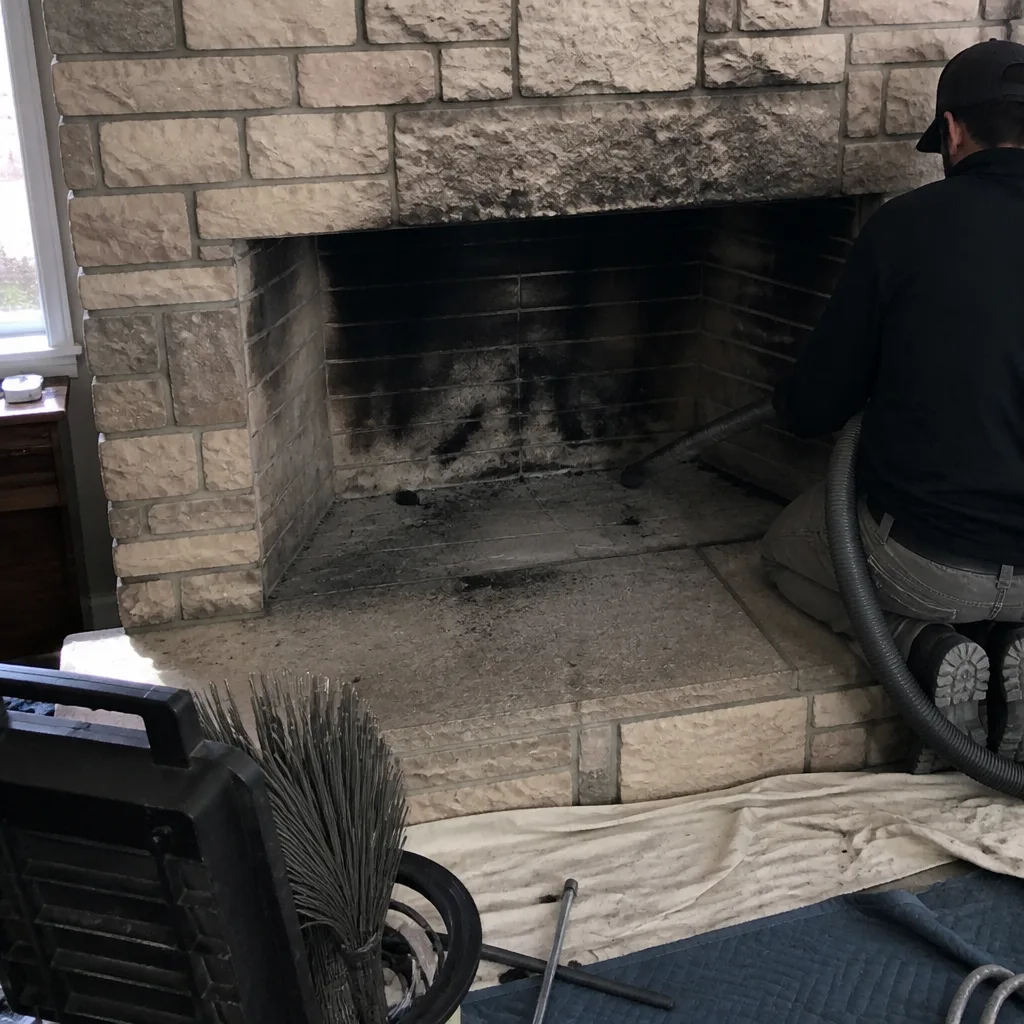 Before
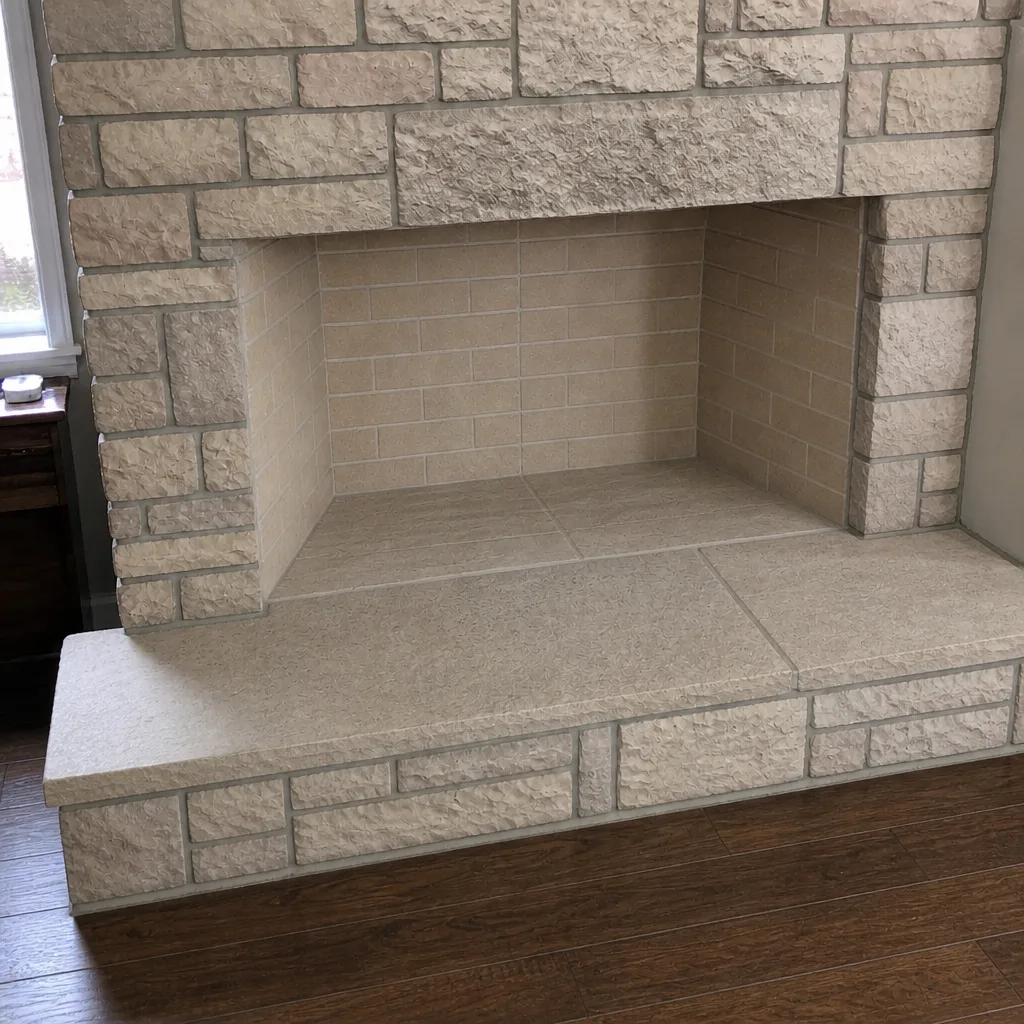 After
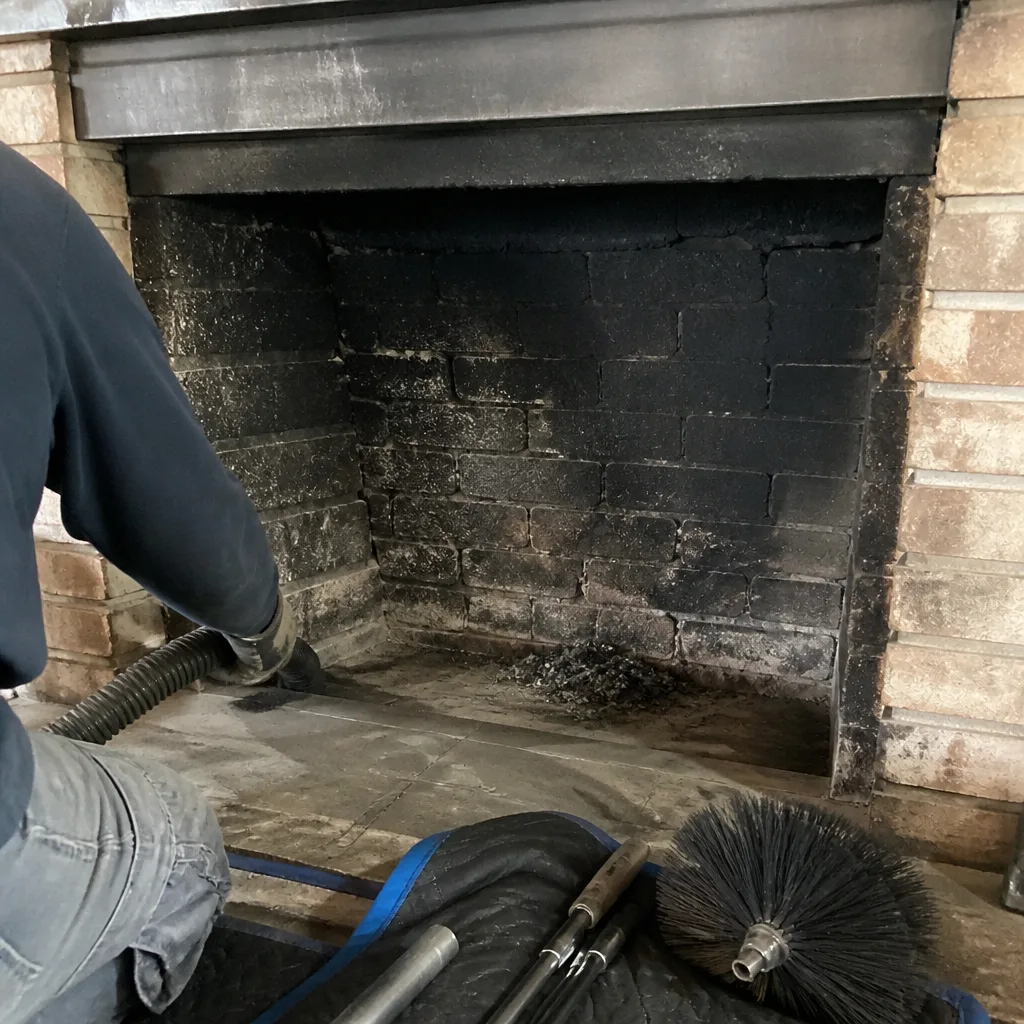 Before
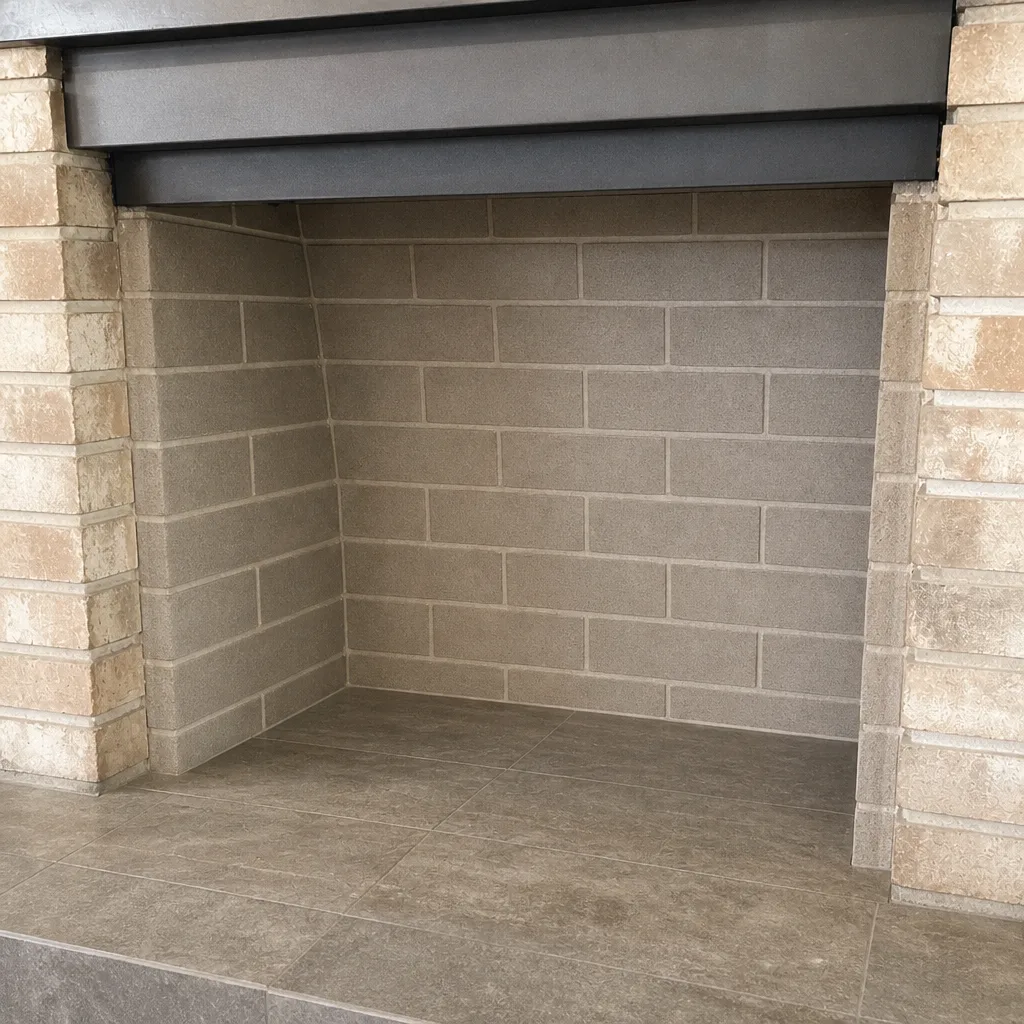 After
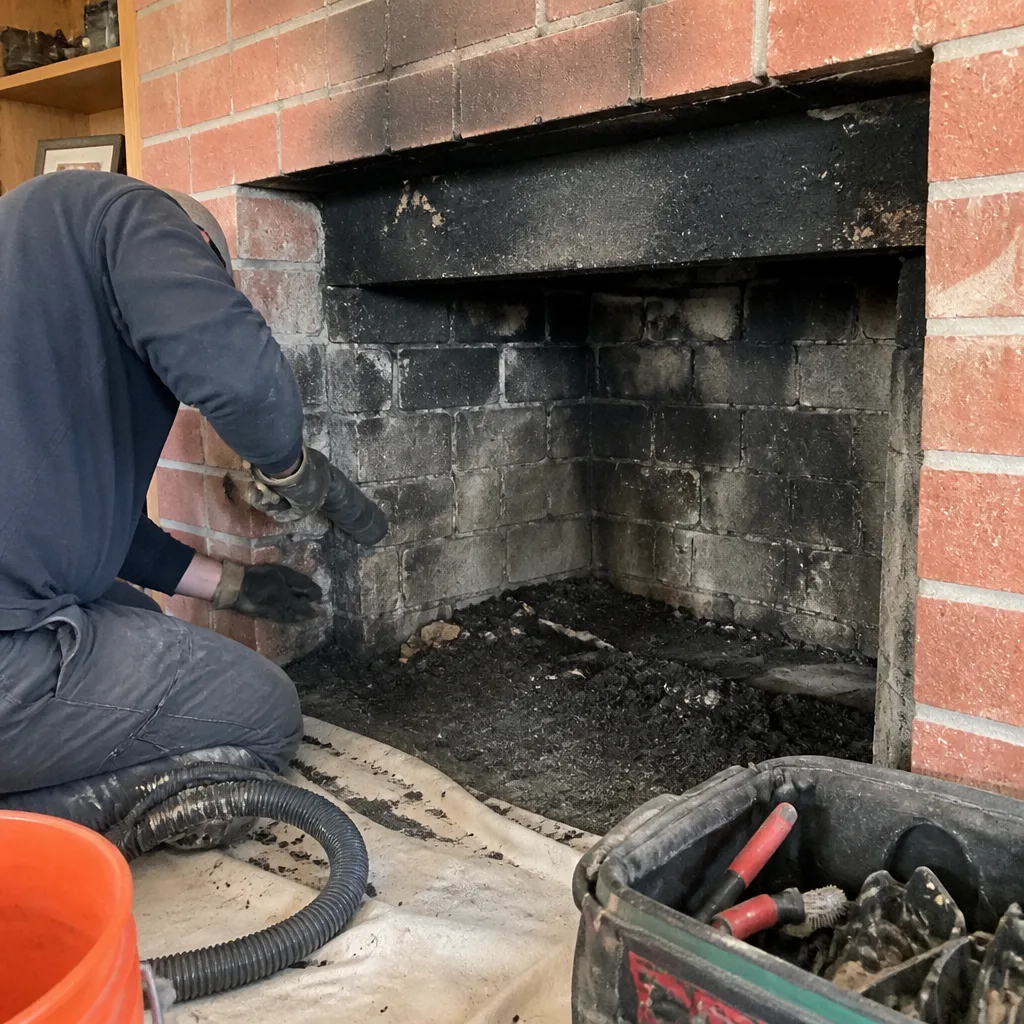 Before
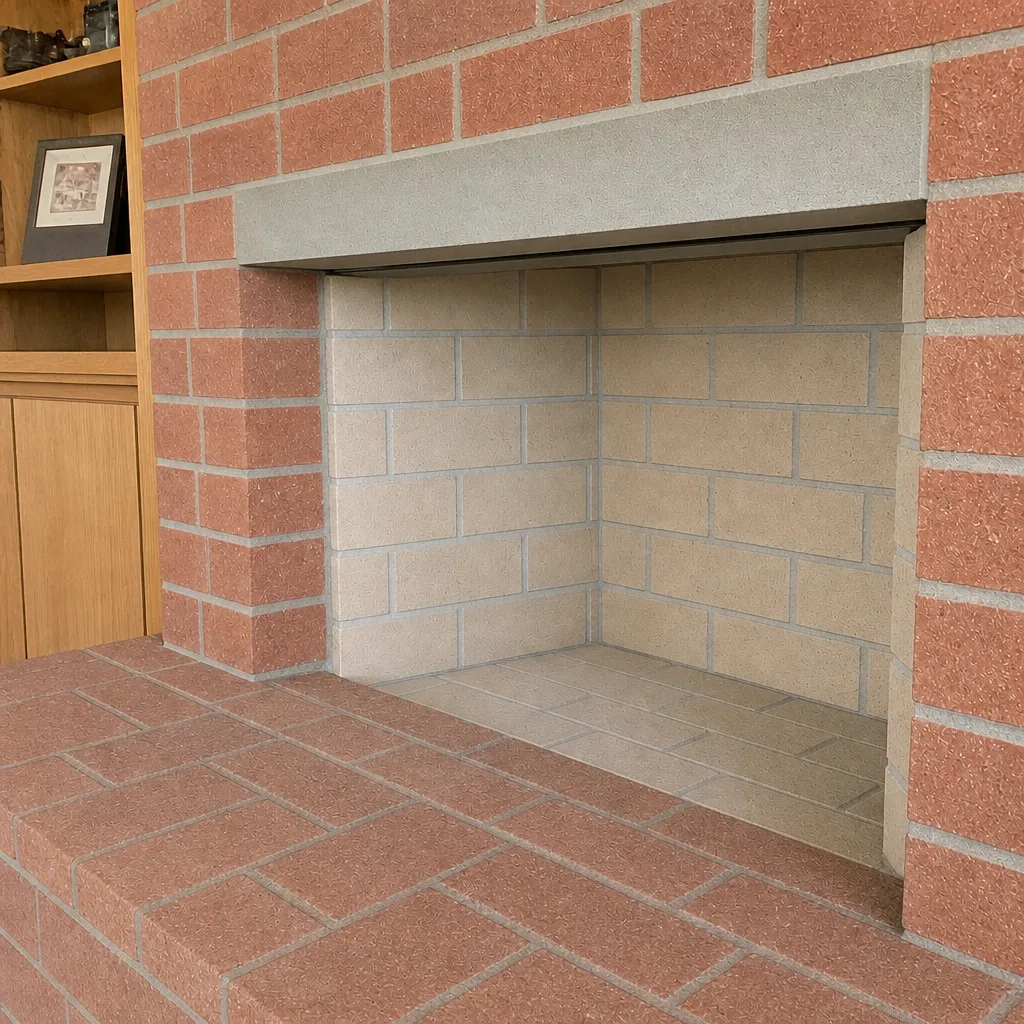 After
When to Call a Professional
Some situations need a call today rather than wait for spring. If you smell smoke inside the room with a fire burning, if you’ve had a chimney fire (even one that burned itself out), if you see water stains near the chimney from above, or if the firebox or damper looks damaged, stop burning and get it checked. Also call if it’s been more than a year since a proper inspection and you don’t know the state of your flue. Chimney Sweep Nampa offers free estimates in Nampa and the surrounding area. Call (888) 854-6163. We answer 24/7. Fast dispatch from 7am to 7pm, Sunday through Friday.
Frequently Asked Questions
Most Nampa homes need a sweep once per heating season if wood is used regularly, and every two to three years if usage is casual (under 20 fires per season). A chimney used as a primary heat source through cold snaps may need a mid-season inspection on top of the annual sweep. Bring a burn log to your appointment and the technician can match the schedule to your actual habits.
Yes, in specific situations: after buying a home, after any chimney fire, after a fuel conversion, or any time you’ve noticed smoke in the room, water intrusion, or a persistent smell. Outside of those triggers, a Level 1 inspection with an annual sweep is usually enough. If a Level 1 turns up something questionable, we’ll tell you when the camera is the right next step. Call (888) 854-6163 for an exact quote. Estimates are free.
Yes. Gas fireplaces accumulate spider webs, dust, and debris in the burner ports over the year, which is a real ignition hazard, and the vent system can deteriorate without any obvious sign from the living room. Yearly service catches both. It’s usually quick and avoids the surprise of finding a problem when you actually need the heat.
Late September or early October, before the first burn of the season, is the best month. That timing catches any problems before fire starts again and gives you a repair window if needed. The second important window is April, after the last freeze, when winter damage is easiest to spot. If October fills up, book earlier in September rather than later.
Yes. We cover chimney sweep, chimney repair, and dryer vent cleaning under one visit, so both of the home’s major fire-risk exhaust systems get checked at once. That also means one scheduled appointment instead of two, and the find-and-fix pattern stays consistent since the same specialist sees both.
Creosote builds up on the flue walls, and past a certain thickness it ignites at high temperature, which is how most chimney fires start. Gas appliances skip the creosote problem but fail differently: debris in the burner ports and deteriorating vent connections. In either case, the fix is much larger once a problem progresses, so an annual sweep and inspection is the cheapest way to keep the chimney safe.
The Bottom Line
The right maintenance schedule is the one built around your actual fuel, usage, and flue condition, not a generic “once a year” line. Casual wood burners can often go two to three years between sweeps with yearly inspections, regular users need one per season, and homes where the fireplace is a primary heat source should get a mid-season look. Gas fireplaces need yearly service regardless of use. Two Nampa windows matter most: late September before the first burn, and April after the last freeze. Pair the annual appointment with dryer vent cleaning and you cover both exhaust systems in one visit. If you’re not sure what tier you’re in, log your burns for a season and ask a specialist to match a schedule to what you actually found.
Call (888) 854-6163 for a free estimate. We answer 24/7. Fast dispatch from 7am to 7pm, Sunday through Friday. Chimney Sweep Nampa handles sweep, repair, and dryer vent cleaning under one roof with professional-grade materials like DuraFlex, HeatShield, Gelco, Olympia Chimney, Famco, and Copperfield.
Written by the team at Chimney Sweep Nampa.