
Last updated November 15, 2026
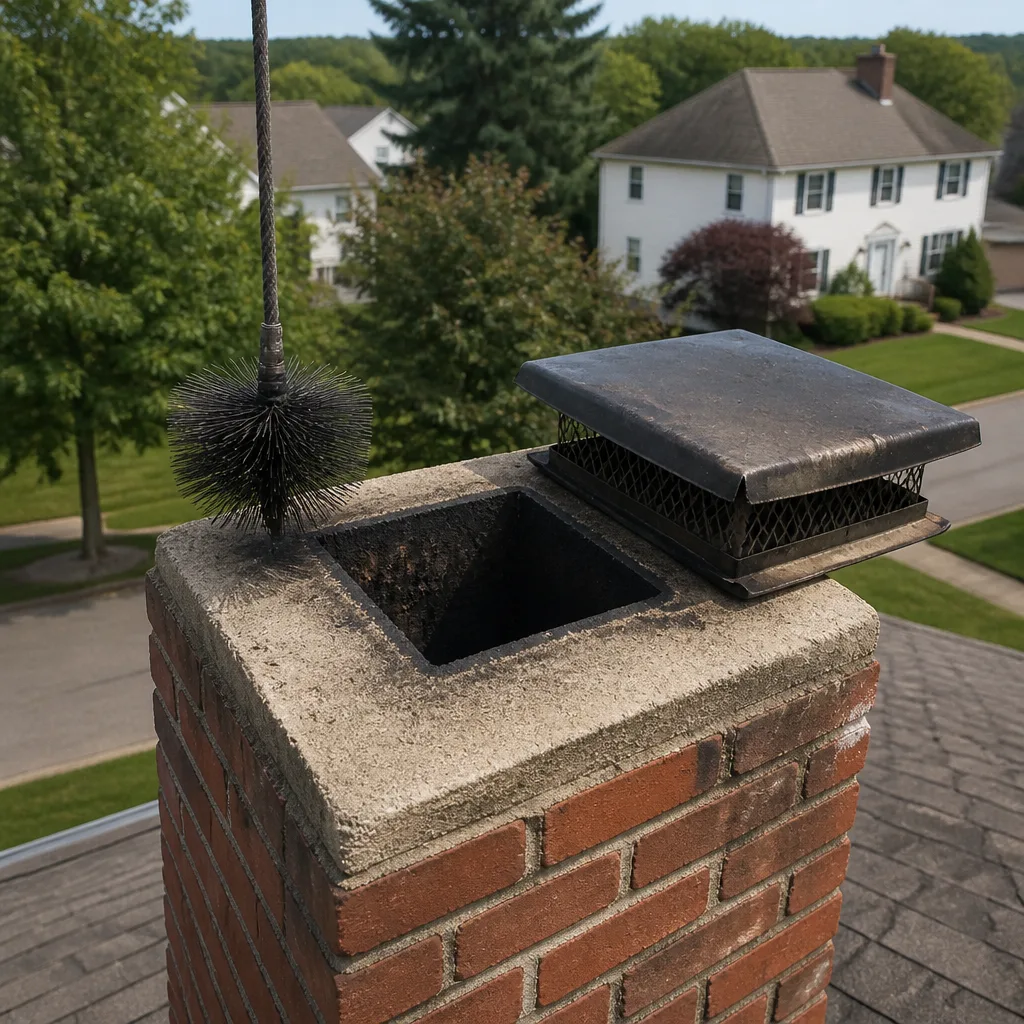 Sweep & inspection
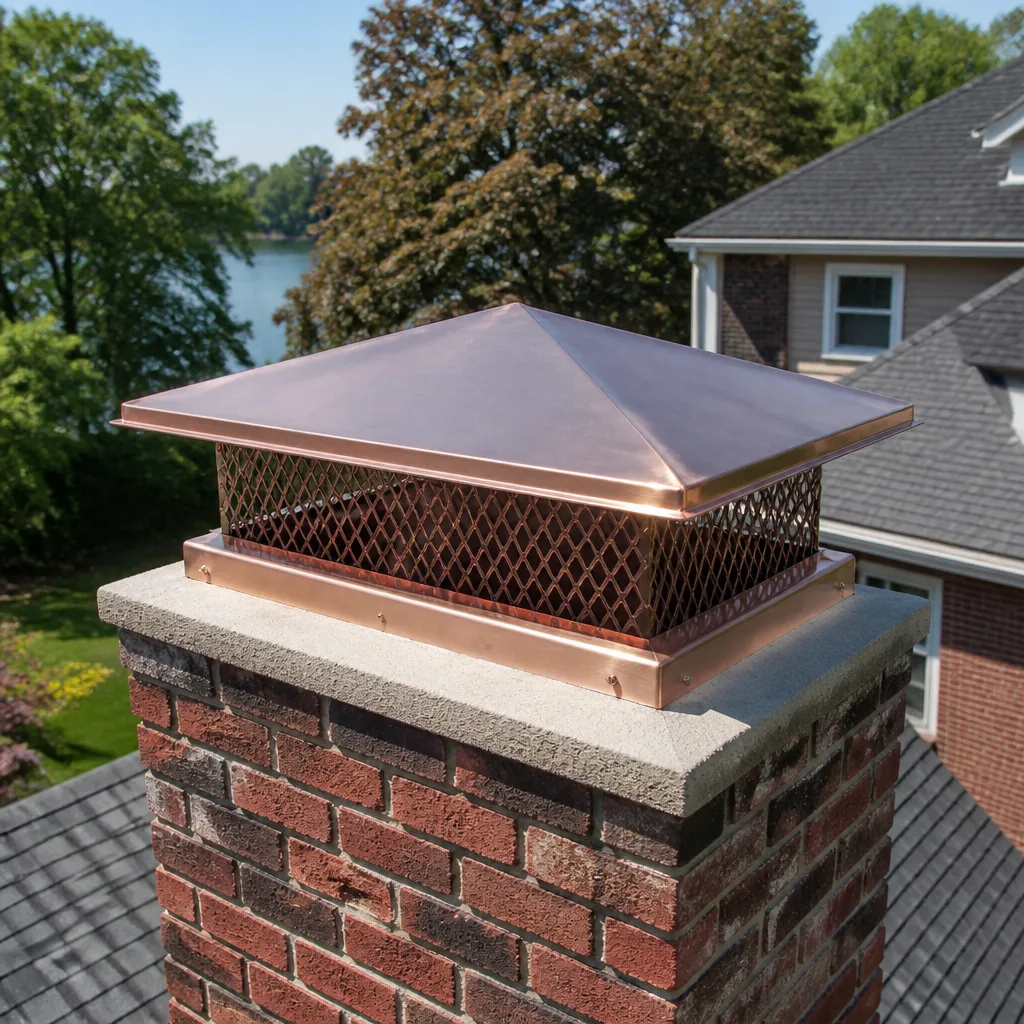 Caps & crowns
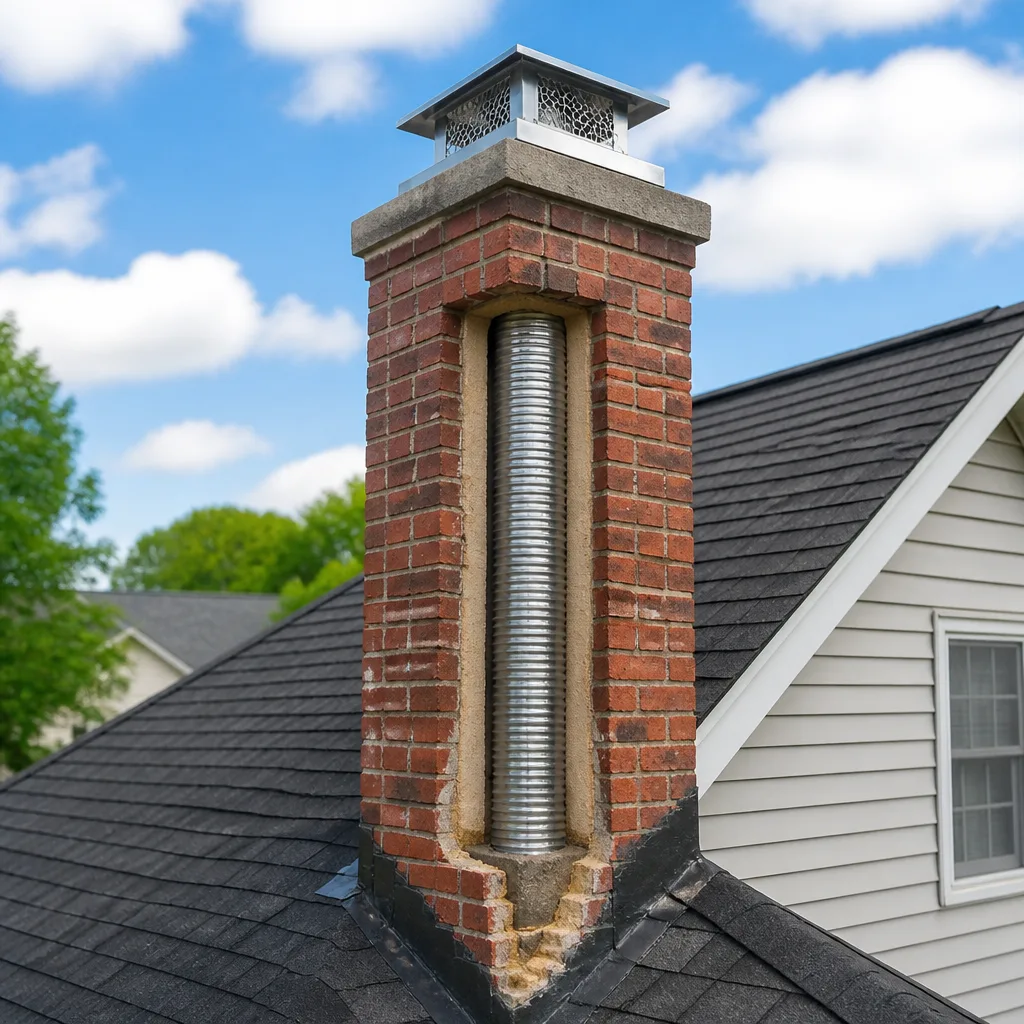 Flue relining
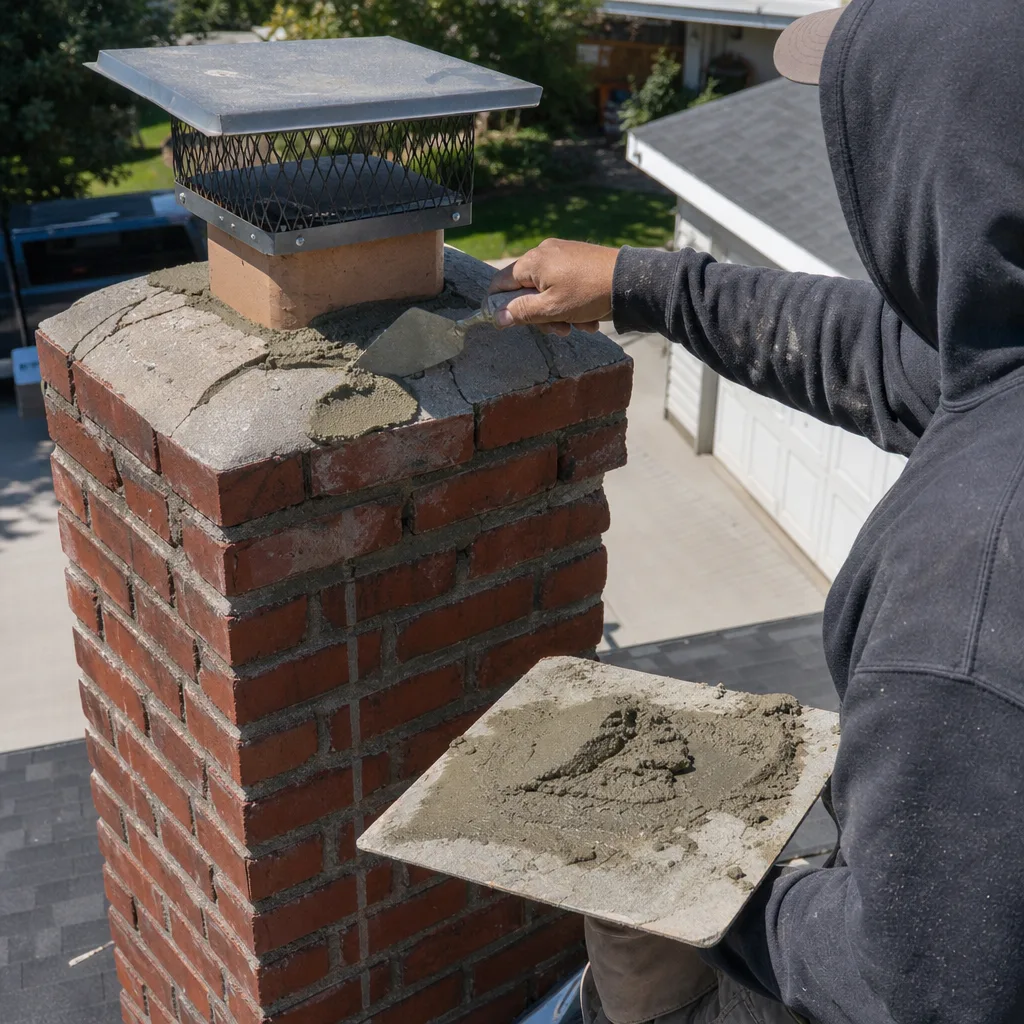
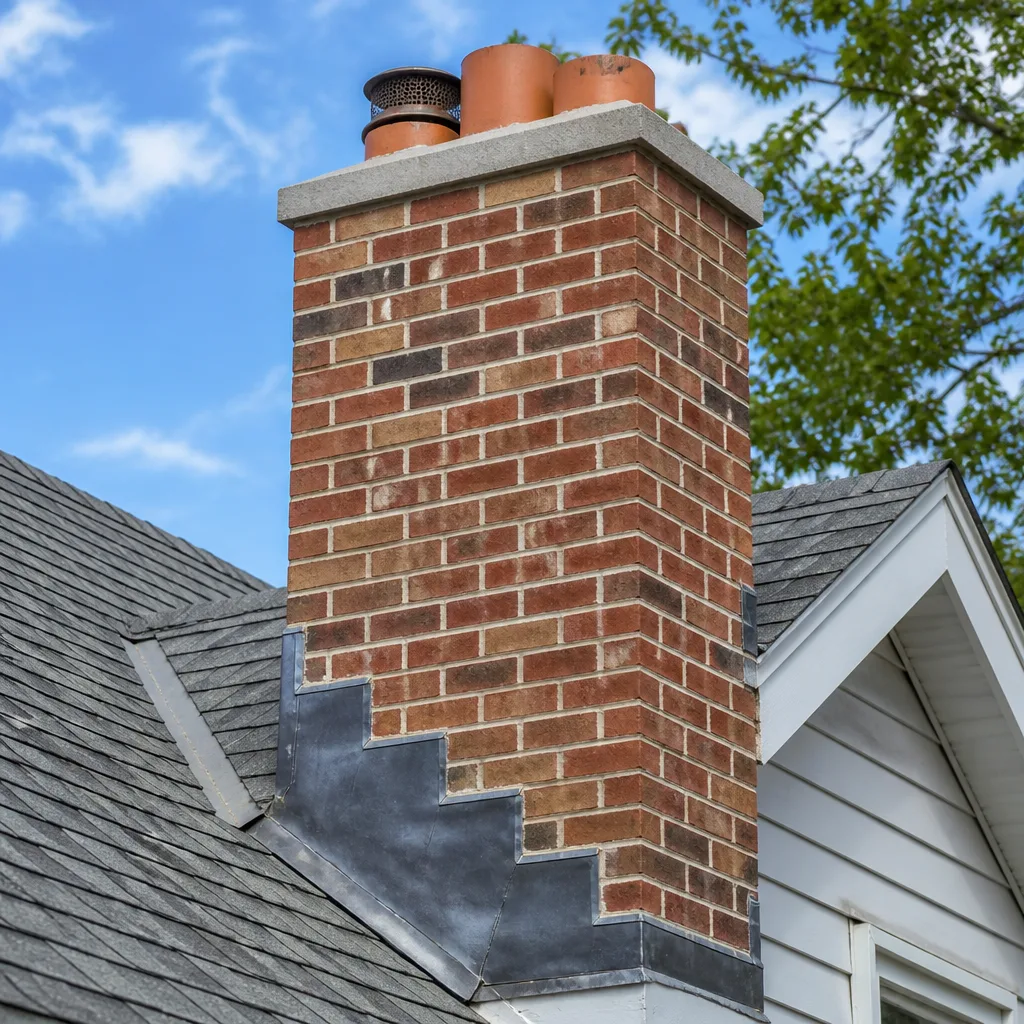 Masonry repair
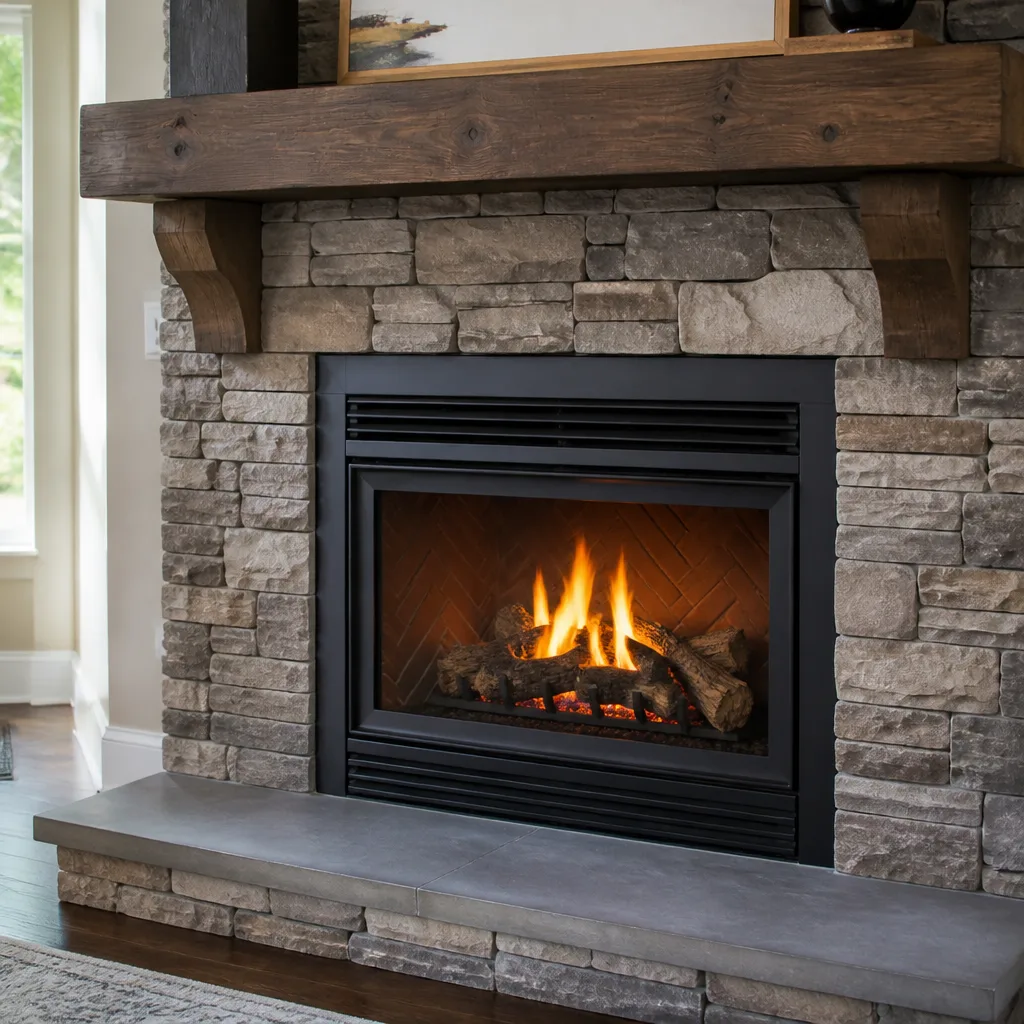 Gas fireplace service
Level 1 sweep and inspection to the NFPA 211 annual standard - flue, crown, cap, and flashing checked and photographed
Chimney sweep logs do not sweep chimneys. They loosen some creosote - which then falls where a brush and vacuum still have to collect it.
Chimney Cleaning Permits, Codes & Inspections in Nampa, ID: What You Need to Know
Most Nampa homeowners assume chimney cleaning never requires a permit, and for a routine sweep, they’re right. That assumption gets expensive the moment a repair, liner replacement, or insert installation enters the picture. Canyon County and the City of Nampa treat structural chimney work like any other building modification, and the International Residential Code, as Idaho adopts it, applies to solid-fuel appliances in ways that surprise people mid-project. A liner replacement done without a permit can flag a home inspection during resale and force the work to be opened up, re-inspected, or redone. This guide draws the exact line between what needs a permit and what doesn’t, so you can plan the job without surprises.
Quick Answer
In Nampa, routine chimney sweeping and basic cap replacement do not require a permit. Structural repairs, chimney liner installations, firebox rebuilds, and new solid-fuel appliance installations almost always do, and they must comply with the International Residential Code as adopted by Idaho along with any Canyon County amendments. A code-compliant inspection report from a qualified chimney professional is what inspectors and insurers reference during both permit review and real estate transactions.
Styles & brands we work with
- Sweep & inspection
- Caps & crowns
- Flue relining
- Masonry repair
- Gas fireplace service
Table of Contents
- Where the Permit Line Falls in Nampa
- How the International Residential Code Applies to Your Chimney
- NFPA 211 and What Local Inspectors Actually Check
- What a Code-Compliant Inspection Report Looks Like
- What Happens When Unpermitted Work Surfaces at Resale
- Nampa’s Climate and Why It Affects Chimney Condition
- Liner Replacement, Resurfacing, and When a Permit Is Required
- A Step-by-Step Look at a Permitted Chimney Repair
Where the Permit Line Falls in Nampa
The simplest way to think about it: cleaning is maintenance, and repair is construction. Nampa’s building department cares about anything that changes the structure, the flue’s integrity, or the way an appliance vents. Sweeping does none of those things. Relining a flue does all three.
Here’s how the line breaks down for the work we handle:
- No permit needed: Routine chimney sweeping, creosote removal, basic chimney cap replacement, and dryer vent cleaning. These are maintenance tasks that restore original function.
- Permit typically required: Chimney liner installation or replacement, firebox rebuilds, structural masonry repair, crown rebuilds that alter the flue’s top, and installation of a new wood stove or gas insert.
- Case-by-case: A HeatShield ceramic flue resurfacing job can fall either side depending on scope. A small restoration of a deteriorated flue may be treated as a repair, while a full-length resurfacing that effectively recreates the liner is usually reviewed like a liner job. Ask before you book.
We get calls from Nampa homeowners who assumed the liner a previous contractor installed was fully permitted, only to discover no record exists. That’s a common situation. The fix is usually straightforward, but it’s always better handled before the house hits the market than during an inspection window.
How the International Residential Code Applies to Your Chimney
Idaho adopts the International Residential Code as its residential building standard, and the chapters covering chimneys and vents are the ones that matter for wood-burning fireplaces, wood stoves, and gas inserts. Local amendments in Canyon County add some specifics on top, but the core requirements come from the IRC.
What the code addresses, in practical terms:
- Clearances. The IRC sets minimum clearances between the chimney and combustible materials. A flue running too close to framing is a code violation and a fire risk, and it’s a common finding in older Nampa homes where a previous remodel closed a gap that used to exist.
- Flue sizing. The flue must match the appliance. An oversized flue cools too fast and won’t draft properly; an undersized one can’t carry the smoke. Liner installs are reviewed partly on this point.
- Termination height. The chimney’s top must extend above the roof in a specific relationship to the roof surface and nearby structures. A crown rebuild that shortens the flue can fail review.
- Lining requirements. Solid-fuel appliances require a proper lining, and the IRC allows listed lining systems, which is where a DuraFlex flexible liner system fits. It’s a listed product designed for relining, which is why it passes review where a generic pipe would not.
When you submit a permit application in Nampa, the plan reviewer compares your proposal against those code sections. That’s why a written scope from a chimney specialist matters: it tells the reviewer what’s being installed and how it complies.
NFPA 211 and What Local Inspectors Actually Check
NFPA 211 is the standard for chimneys, fireplaces, vents, and solid fuel-burning appliances. It isn’t a building code you pull a permit under, but it’s the reference local inspectors use to judge whether a chimney is safe and whether existing work meets the standard of care. During a permit review or an insurance inspection, NFPA 211 is where the question “is this chimney in acceptable condition?” gets answered.
NFPA 211 sets the levels of inspection most professionals work from:
- Level 1: A routine inspection during a sweep, covering readily accessible portions of the chimney and appliance. This is what most annual visits include.
- Level 2: A more thorough inspection required when a change is made to the system (a new appliance, a reline, a change in fuel type) or during a real estate transaction. It includes a video scan of the flue interior.
- Level 3: A diagnostic inspection when a hidden problem is suspected, which may involve opening walls or other access.
In our experience, the phrase “Level 2 inspection” is what a Nampa inspector asks for during a permit review on a reline, and what a buyer’s agent asks for when a wood-burning fireplace is part of the transaction. If you’re planning a liner install, getting the Level 2 done up front shortens the whole process.
What a Code-Compliant Inspection Report Looks Like
A code-compliant inspection report isn’t a sticky note with “chimney swept” on it. It’s a document that records the condition of the system against NFPA 211 and, where relevant, against the IRC. It’s the record you’d hand to an inspector, an insurer, or a buyer’s inspector.
A proper report should include:
- Identify the appliance and the chimney, including type (masonry or factory-built), fuel type, and lining installed.
- State the inspection level performed (1, 2, or 3) and what was accessed.
- Record findings with evidence. A camera scan of the flue interior should be included or described, and any cracks, gaps, or buildup documented. “We tell you what we find” is the whole point: if we can’t show it to you, it doesn’t belong in the report.
- Assess clearance to combustibles and note any deficiencies.
- Recommend repairs in priority order and identify what can safely wait.
- Include photographs of accessible interiors, the flue, the crown, and the cap.
The last point matters. In Nampa, the photographs are what convince a buyer’s inspector that a flagged issue was addressed. A verbal “it’s fine” won’t do it.
What Happens When Unpermitted Work Surfaces at Resale
When a buyer’s inspector flags an unpermitted liner or firebox rebuild, the deal doesn’t fall apart automatically. What happens is that the missing permit becomes a negotiation lever. Typically the buyer asks for a credit, or asks you to get the work permitted retroactively, or both.
The retroactive permit path usually involves:
- Contacting the City of Nampa building department to determine whether the work can be permitted after the fact.
- Having a qualified professional document the existing installation against code.
- Paying for re-inspection, and in some cases opening up the work so it can be visually verified.
- Accepting that if the installation doesn’t meet code, it may need to be redone entirely.
This is why we recommend keeping the permit record with the house’s maintenance file. In the Nampa and Meridian market, resale inspection is where this issue lands most often, and it’s far cheaper to get it right the first time than to redo a liner at the eleventh hour.
Nampa’s Climate and Why It Affects Chimney Condition
Nampa sits in the Treasure Valley, a high desert environment with hot, dry summers and cold winters. That swing affects chimney condition in ways that show up during inspection.
The summer heat and dryness crack masonry crowns and chimney stucco, and the freeze-thaw cycles of winter work moisture into those cracks. A crown that loses its seal lets water into the brick, and a freeze cycle can spall the masonry face. By the time a Nampa homeowner notices the damage from the ground, water is often already inside the flue. That kind of masonry deterioration is exactly the sort of thing that turns a simple sweep into a structural repair with a permit attached.
Winter also brings a genuine creosote risk. A wood-burning fireplace used steadily through a cold winter builds creosote on the flue walls, and staged firing (a small fire in the morning, another in the evening, with a cool flue in between) produces the sticky, less-burned creosote that catches fire more easily than the crisp, flaky kind. The chimney fire risk in Nampa is highest at the end of a burning season, before the next one starts. Sweeping before you light the first fire of the year is the pattern we recommend.
For a closer look at how a routine visit works, our chimney sweep page walks through the process. Homeowners across Nampa find the same thing: the flue holds up better when the crown and cap are in good repair going into winter.
Liner Replacement, Resurfacing, and When a Permit Is Required
Liner work is the category that most reliably triggers a permit, and it’s also the category where Nampa homeowners get the most conflicting information. A full liner replacement is a structural change to the flue, and it needs to meet the IRC lining requirements. A ceramic flue resurfacing with HeatShield is a restoration of the existing flue using a documented, warrantied system, and depending on scope it can be treated as a repair rather than a new installation.
The practical differences:
- Full reline: A new lining is installed inside the existing chimney, usually a flexible stainless system such as DuraFlex. This almost always requires a permit.
- Resurfacing: A HeatShield ceramic lining is applied to restore a deteriorated but structurally sound flue. Many jobs fall under repair scope, but a full-length resurfacing may be reviewed as a reline. Confirm with the building department before you book.
- Component replacement: Crown, cap, and damper replacement are usually repair scope unless they change termination height or flue geometry.
This is a genuine gap between a specialist and a generalist. A sweep company that only cleans will hand you a list of concerns with no path forward. A specialist can tell you which of those findings actually needs a permit and what the compliant fix looks like. That’s why we carry the professional-grade brands we do: DuraFlex for relining, HeatShield for resurfacing, and Copperfield, Gelco, and Olympia Chimney components where a listed part is the right one.
A Step-by-Step Look at a Permitted Chimney Repair
Here’s how a permitted liner replacement or structural repair typically runs from start to finish.
- Inspection first. A Level 2 inspection establishes what’s actually wrong. Camera evidence comes back to you before anyone quotes a repair.
- Scope and estimate. We write out what needs to be done, which listed materials are involved, and what the permit path looks like. Nothing gets recommended that isn’t visible in the scan.
- Permit application. The application goes to the City of Nampa, with the scope and the materials specified. Where a listed product is part of the plan, it’s named on the application.
- Permit review. The plan reviewer checks the proposal against the IRC and Canyon County amendments. Any questions come back to the contractor, not to you.
- Work performed. The repair or install happens to the permitted scope. Deviations from the scope need a revision, not a wink.
- Inspection. The work is inspected against the permit. Passing inspection produces a record.
- Records kept. The inspection record lives with the house. That record is what makes a resale inspection uneventful.
The inspection record is the payoff. It’s the difference between a clean resale inspection and an expensive retroactive permit process.
Common Mistakes to Avoid
- Assuming a sweep always needs a permit. It doesn’t, and paying for a permit you don’t need wastes time. The reverse mistake is more common, though: assuming a repair never does. Confirm the scope before you book.
- Letting a handyman reline a flue. A liner install is a code-regulated structural change, not a handyman task. A liner installed outside code can fail inspection and may have to come out entirely.
- Skipping the Level 2 inspection before a reline. The Level 2 is what the permit review and the resale inspection both reference. Doing it up front saves a second visit.
- Assuming resurfacing never needs a permit. A small HeatShield repair may not, but a full-length resurfacing can be reviewed as a reline. Ask before you book, so you’re not surprised later.
- Pitching the inspection report instead of filing it. That document is what proves the work was done right when the house sells. Keep it with the maintenance records.
- Letting masonry stay cracked through winter. The Treasure Valley freeze-thaw cycle turns a small crown crack into a structural repair by spring. A repair in fall is often a repair, not a permit job; the same crack in spring can be a rebuild.
- Ignoring the dryer vent. Clogged dryer vents are a leading cause of residential fires, and a vent cleaning is a maintenance task with no permit attached. It’s the cheapest safety work in the house. Our dryer vent cleaning service covers it alongside the chimney.
See the difference
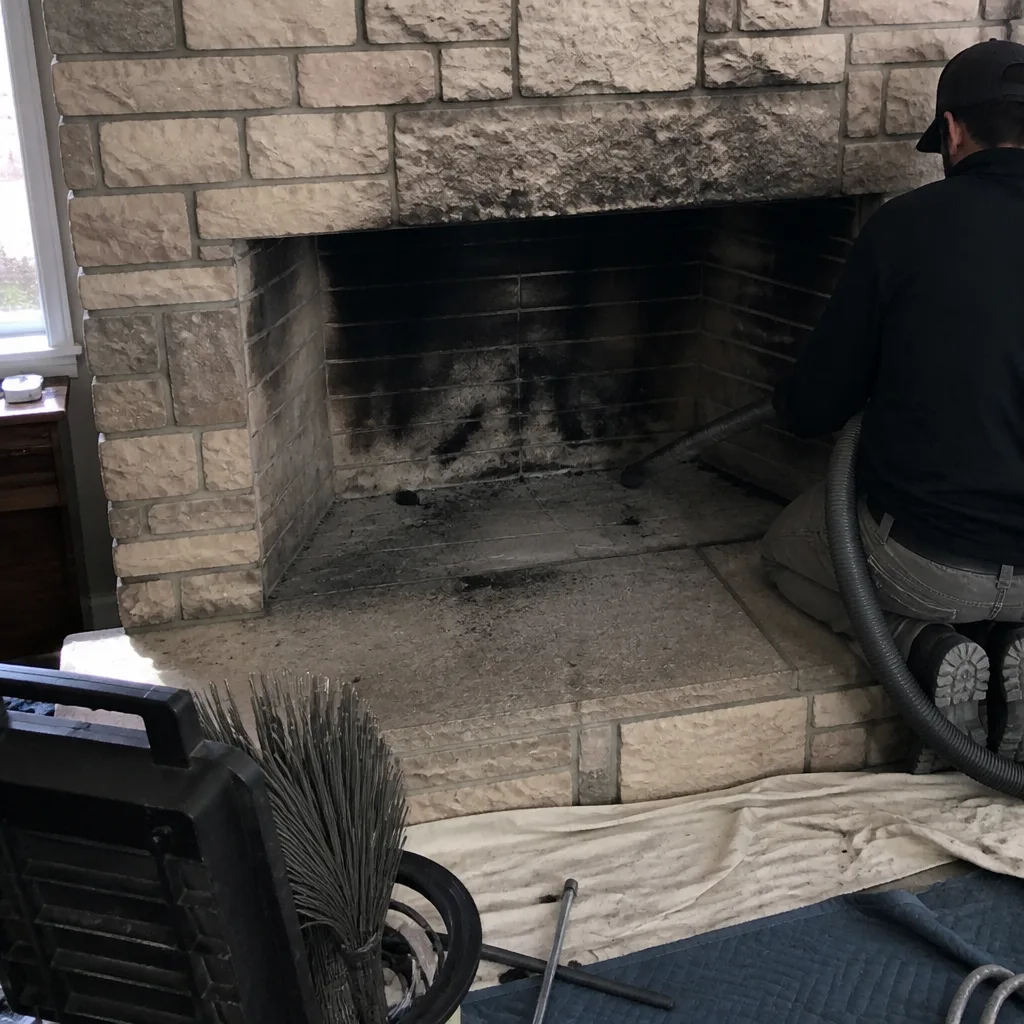 Before
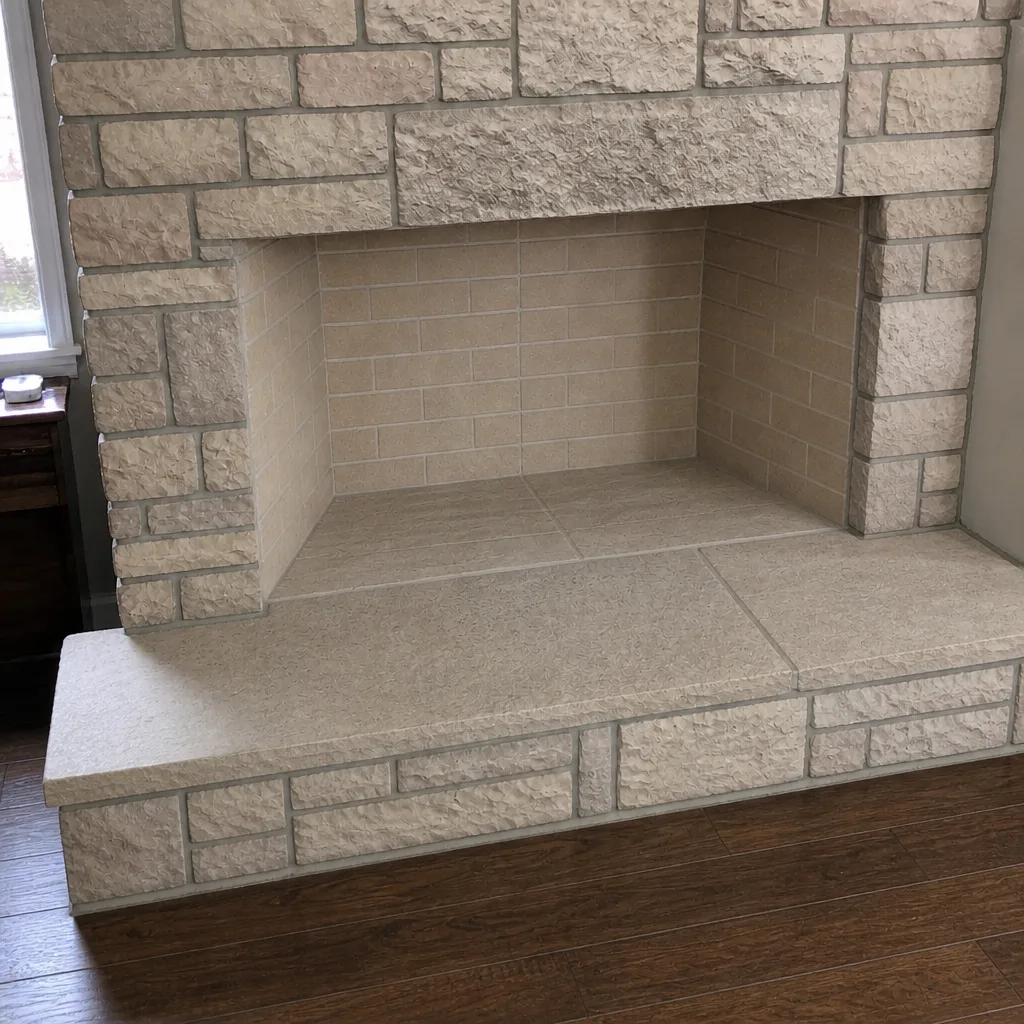 After
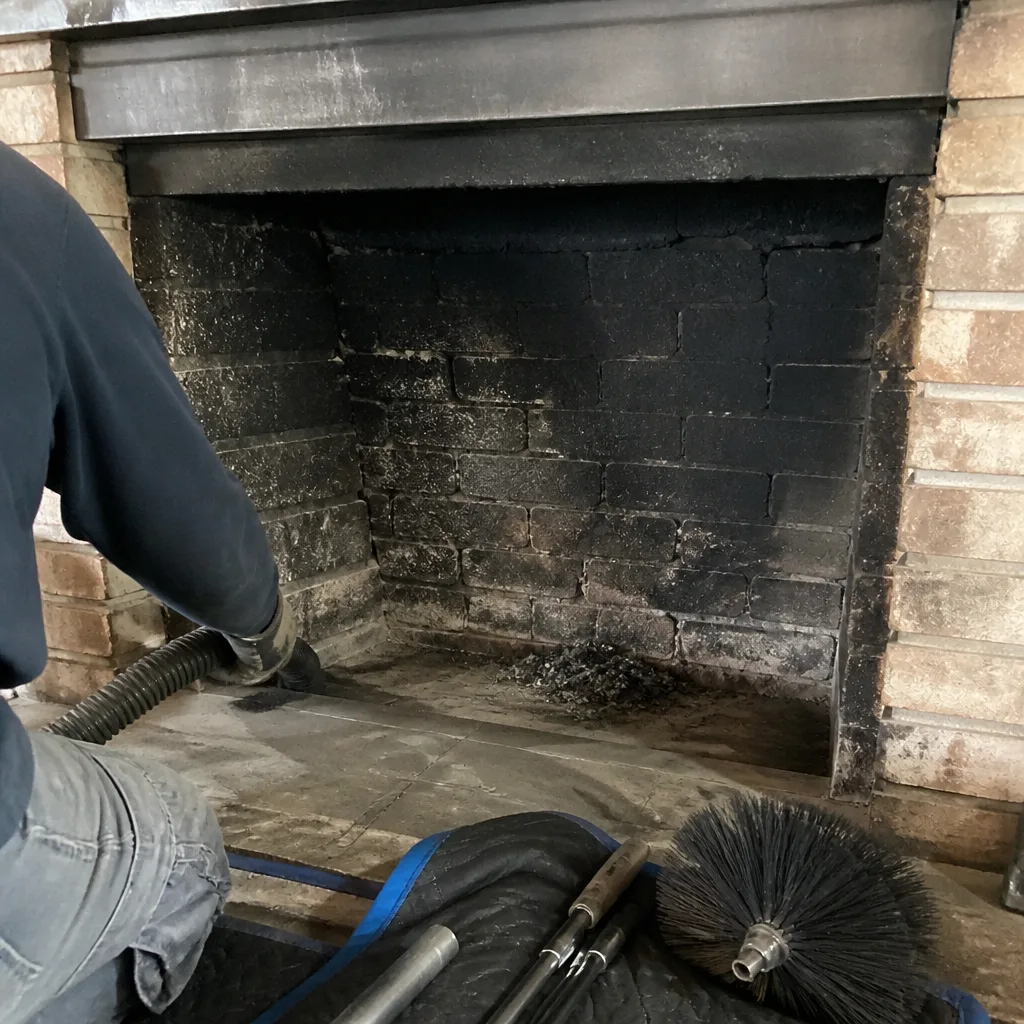 Before
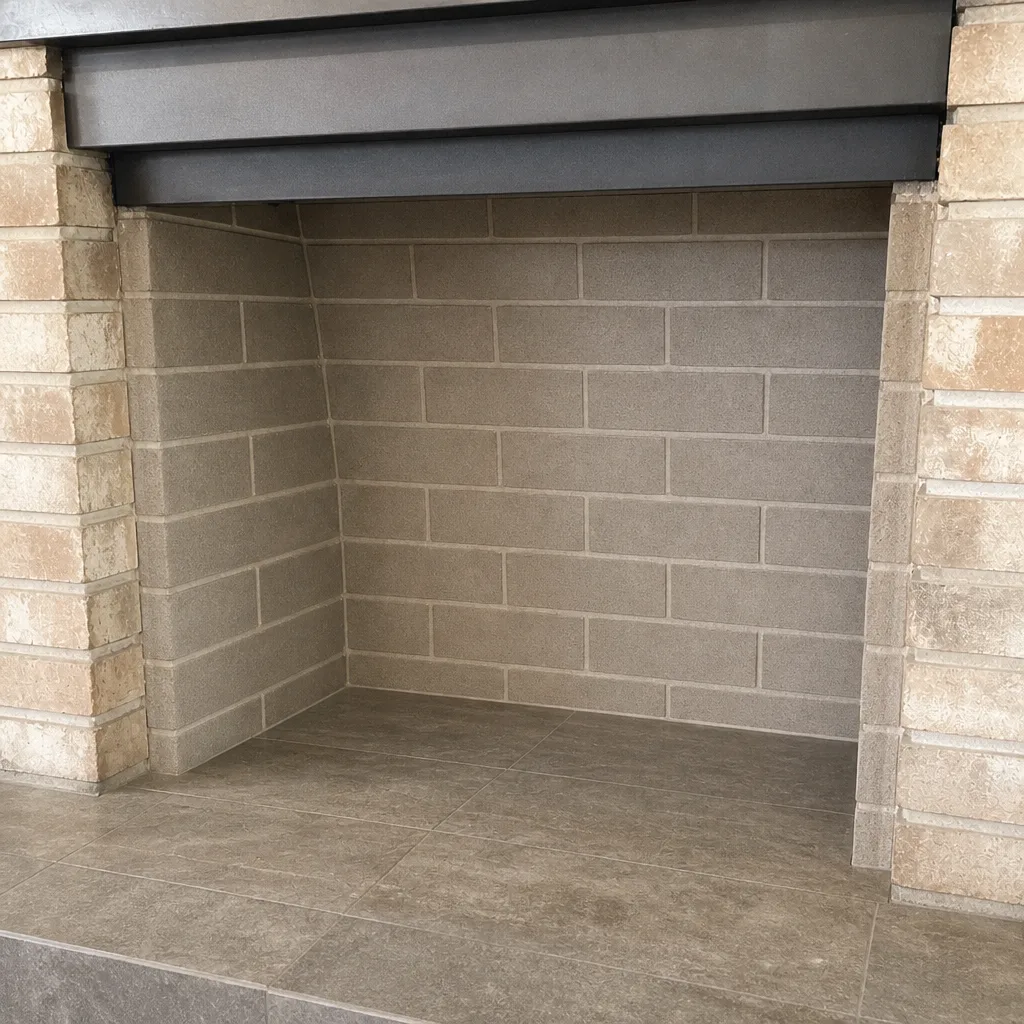 After
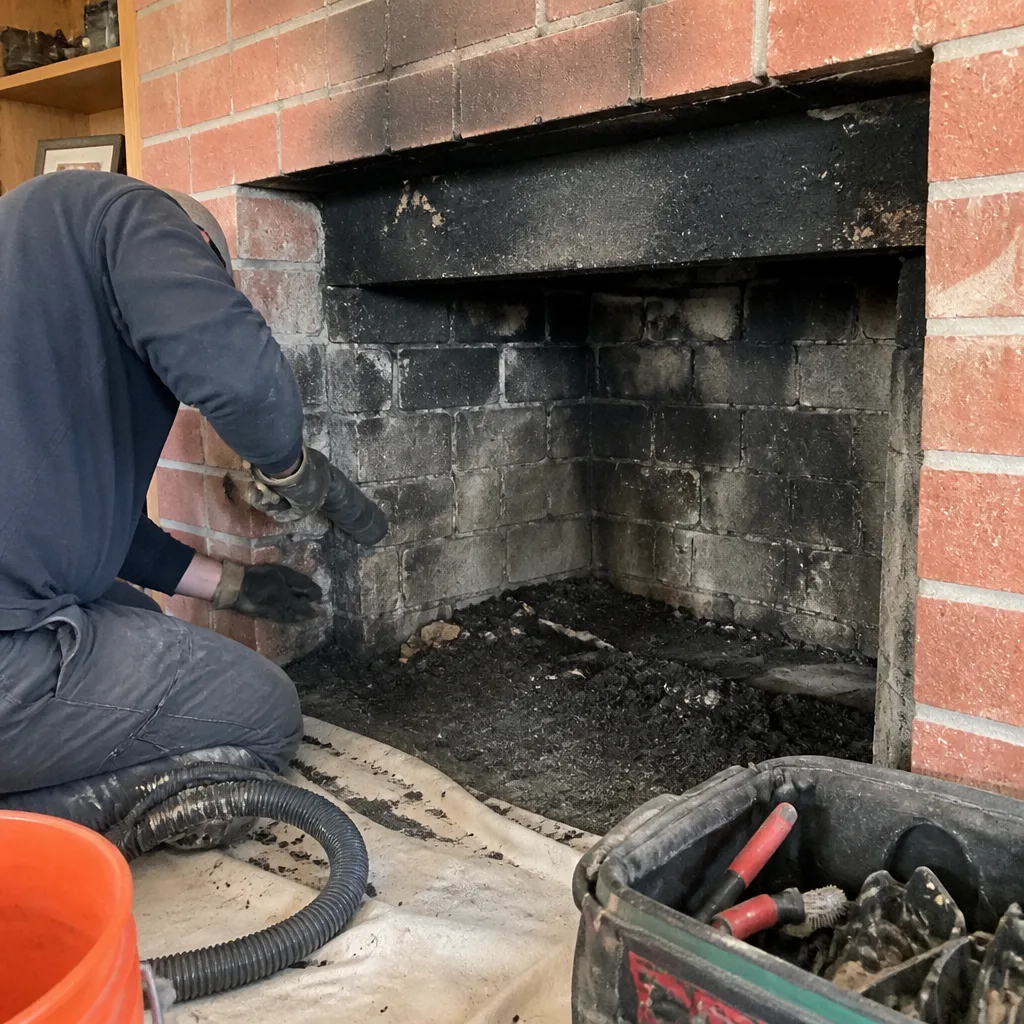 Before
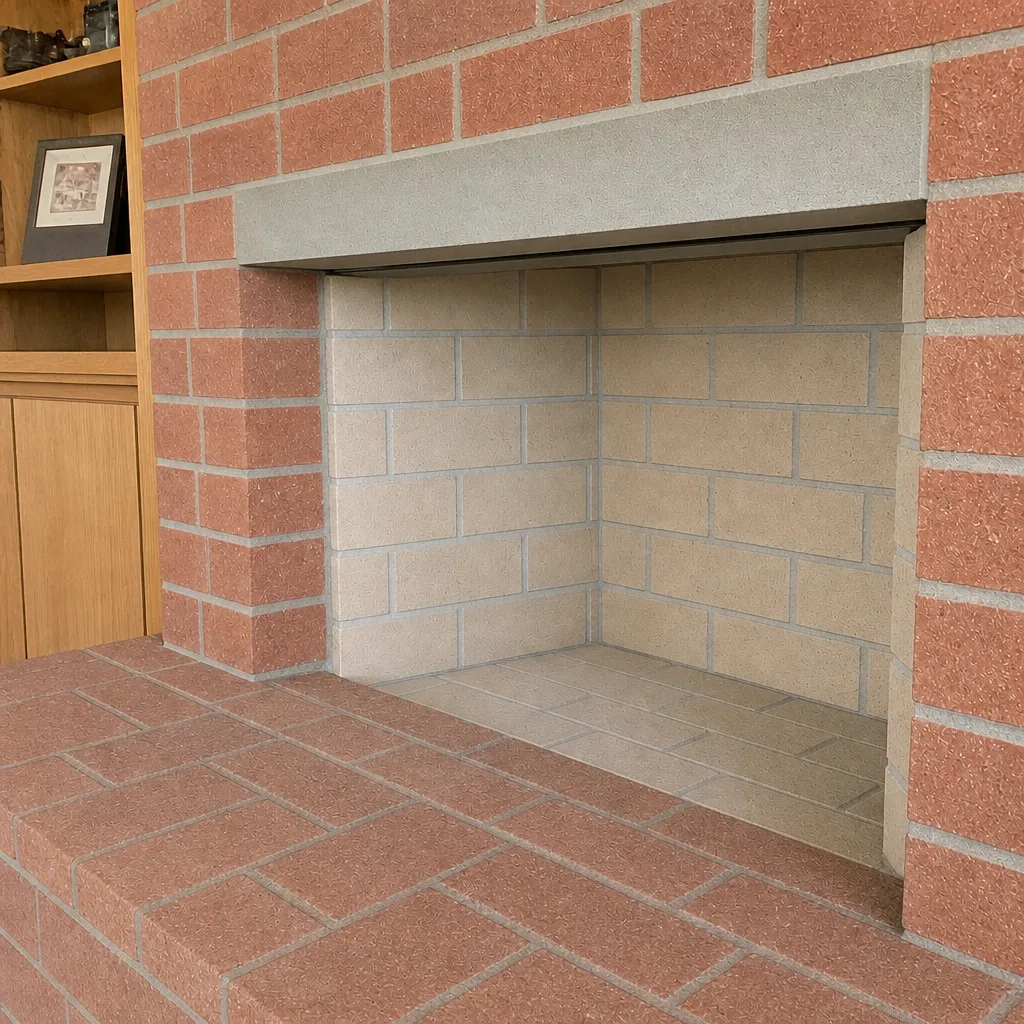 After
When to Call a Professional
Some chimney work is genuinely DIY-friendly: sweeping a lightly used flue, replacing a cap that’s visible from the ground. Most of the work that triggers a permit isn’t, and a few situations genuinely warrant a trained professional. Call us if you’ve never had the flue inspected and you’ve been burning for a few seasons, if you’ve noticed crumbling masonry or a cracked crown, if a previous owner installed a liner and you don’t have the paperwork, or if a buyer’s inspector has flagged the chimney. The same applies if your dryer takes two cycles to dry a load, which points to a clogged vent.
Chimney Sweep Nampa offers free estimates in Nampa. Call (888) 854-6163. We answer 24/7. Fast dispatch from 7am to 7pm, Sunday through Friday. Our technicians have up to 9 years of experience, and the estimate is free, with the price set per job by the written estimate.
Frequently Asked Questions
No. Routine chimney cleaning and basic cap replacement are maintenance tasks and do not require a permit in Nampa. Permits enter the picture with structural repairs, liner installations, firebox rebuilds, and new appliance installations. If you’re unsure which side of the line your job falls on, ask before you book, because the answer changes the process.
The International Residential Code, as adopted by the State of Idaho, governs residential chimneys and vents, and Canyon County adds local amendments on top. The chapters covering clearances, flue sizing, termination height, and lining requirements are the ones that apply to solid-fuel appliances. When a permit is reviewed in Nampa, those sections are the standard the reviewer checks against.
NFPA 211 is the national standard for chimneys, fireplaces, vents, and solid fuel-burning appliances, and it’s the reference local inspectors use to judge a chimney’s condition. It defines the three levels of inspection, and it’s what a Level 2 inspection report is written against. During a permit review or a resale transaction, NFPA 211 is the standard the report is measured by.
The buyer’s inspector flags it and the missing permit becomes a negotiation point. The buyer may ask for a credit, ask the seller to get the work permitted retroactively, or both. Retroactive permits sometimes require the work to be opened up and re-inspected, and if it doesn’t meet code, it may need to be redone. Keeping the inspection record with the house prevents this.
Almost always, yes. A liner replacement changes the structure and the lining of the flue and is regulated under the IRC. A HeatShield ceramic resurfacing can be repair scope in smaller jobs but may be reviewed as a reline when it spans the full flue, so confirm with the building department. Call us for an exact quote and we’ll walk through the permit path with you.
A Level 2 inspection report is typically required during real estate transactions, after a change to the system such as a reline or new appliance, and during insurance claims involving a chimney. A routine Level 1 is what a sweep includes. The report contents matter because they’re the document an inspector or insurer will rely on.
The Bottom Line
Routine chimney sweeping in Nampa doesn’t need a permit, and structural work on the chimney almost always does. The IRC as Idaho adopts it sets the standard, Canyon County adds amendments, and NFPA 211 defines the inspection that inspectors and insurers rely on. If a repair is on the table, get the Level 2 inspection and the permit path sorted before the work begins, and keep the inspection record with the house. The unpermitted work that shows up in a Nampa resale inspection is avoidable, and avoiding it costs far less than fixing it. If you’re planning a repair or just want to know what your chimney actually needs, start with an inspection.
Call (888) 854-6163 for a free estimate. We answer 24/7, with fast dispatch from 7am to 7pm, Sunday through Friday. We can also answer permit questions as part of the estimate, so you know the full path before work begins.
Written by the team at Chimney Sweep Nampa.